

The glamping economy refers to the growing market surrounding glamorous camping, commonly known as glamping. It includes the businesses, services, products, and travel experiences that combine the beauty of outdoor living with the comfort and convenience of modern accommodations. As more travelers seek unique and sustainable vacations, glamping has evolved from a niche concept into a significant segment of the global tourism industry.
Unlike traditional camping, glamping allows guests to enjoy nature without sacrificing amenities such as comfortable beds, private bathrooms, electricity, climate control, and internet access. This blend of luxury and outdoor adventure has attracted families, couples, solo travelers, and digital nomads looking for memorable travel experiences.
What Is Glamping?
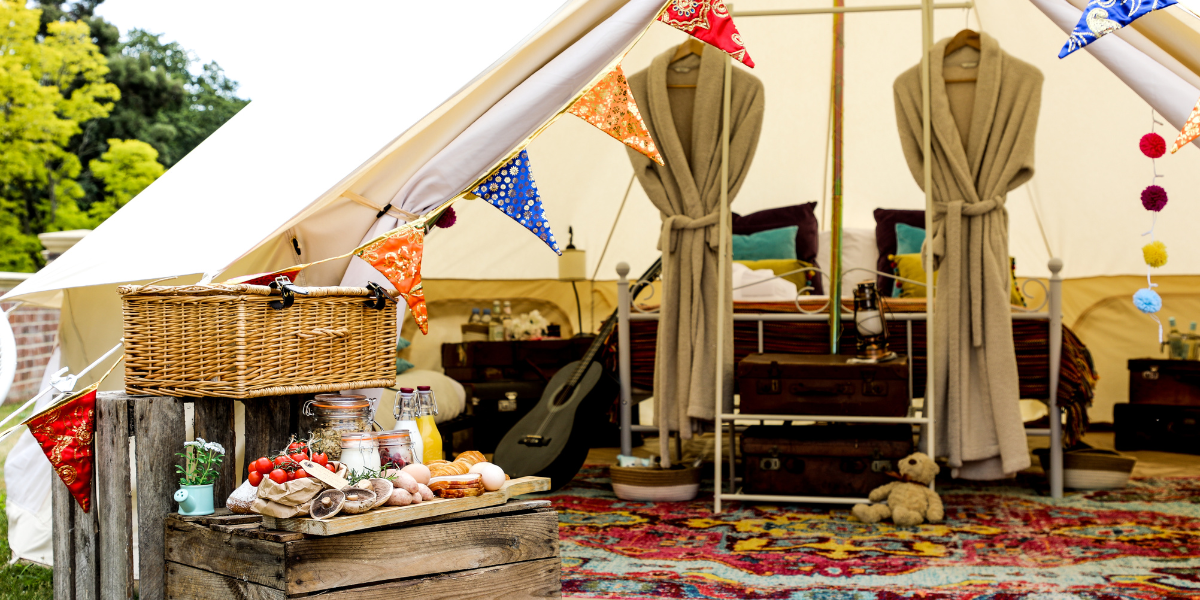
Glamping is a style of accommodation that offers the atmosphere of camping while providing many of the comforts associated with hotels or resorts. Guests stay in distinctive structures such as luxury tents, safari lodges, cabins, treehouses, geodesic domes, yurts, tiny homes, or eco-pods instead of pitching their own tents.
The concept appeals to people who want to experience forests, mountains, beaches, deserts, or national parks without dealing with the challenges of traditional camping equipment or limited facilities.
Understanding the Glamping Economy
The glamping economy encompasses every business activity connected to luxury outdoor accommodations. It includes property owners, campsite operators, equipment manufacturers, hospitality companies, travel agencies, online booking platforms, food suppliers, tour operators, and local service providers.
As demand continues to grow, the industry creates employment opportunities in construction, hospitality, tourism, transportation, maintenance, and recreation. Local communities often benefit as visitors spend money on restaurants, shops, guided tours, and cultural attractions during their stay.
Why Is the Glamping Economy Growing?
Several factors have contributed to the rapid expansion of the glamping economy. Modern travelers increasingly value unique experiences over conventional hotel stays, making outdoor luxury accommodations an attractive alternative.
Growing interest in wellness tourism, sustainable travel, remote work, and nature-based vacations has also fueled demand. Many travelers now seek peaceful environments where they can relax, disconnect from crowded cities, and reconnect with nature while maintaining modern comforts.
Key Features of Glamping
One of the defining characteristics of glamping is comfort. Unlike traditional camping, glamping accommodations are typically equipped with comfortable furnishings, real beds, cozy seating, electricity, climate control, and private bathroom facilities, offering a more luxurious outdoor experience.
Many glamping sites also provide premium amenities such as hot tubs, gourmet dining, fire pits, guided outdoor activities, Wi-Fi, spa services, and panoramic views. These features create an experience that feels both adventurous and luxurious.
Types of Glamping Accommodations
The glamping industry offers a wide variety of lodging options to suit different travel preferences. Luxury safari tents remain among the most recognizable, while yurts, treehouses, cabins, domes, tiny houses, and floating accommodations continue to gain popularity.
Some destinations focus on eco-friendly structures powered by renewable energy, while others emphasize architectural design, luxury interiors, or immersive natural settings. This diversity allows travelers to choose experiences that match their interests and budgets.
Economic Impact of the Glamping Industry
The glamping economy contributes significantly to regional tourism by attracting visitors to rural and scenic destinations that may receive fewer traditional hotel guests. Increased tourism spending benefits local businesses and encourages investment in infrastructure and hospitality services.
Property developers and entrepreneurs have also recognized glamping as a growing business opportunity. Converting farmland, forests, vineyards, or lakeside properties into glamping destinations can generate new income streams while supporting local employment.
Sustainability and Eco-Tourism
Many glamping businesses promote environmentally responsible practices. Operators often use sustainable building materials, renewable energy systems, water conservation measures, recycling programs, and locally sourced products to reduce their environmental impact.
Because many glamping accommodations occupy smaller footprints than conventional hotels, they can provide immersive nature experiences while minimizing land disturbance when responsibly designed and managed. Sustainability has become an important selling point for environmentally conscious travelers.
Technology in the Glamping Economy
Technology plays an increasingly important role in the glamping industry. Online booking platforms, digital marketing, virtual property tours, mobile check-in systems, and smart accommodation features have made it easier for travelers to discover and reserve unique stays.
Many operators also use customer reviews, analytics, and social media to improve guest experiences and reach broader audiences. Attractive photographs and video content often play a major role in promoting glamping destinations online.
Benefits of Glamping
Glamping offers a balance between adventure and comfort. Guests can enjoy outdoor activities such as hiking, kayaking, wildlife observation, stargazing, and campfires while returning to comfortable accommodations at the end of the day.
For families and first-time campers, glamping removes many of the logistical challenges associated with traditional camping. This accessibility has expanded the appeal of outdoor travel to people who might otherwise avoid camping altogether.
Challenges Facing the Glamping Economy
Despite its growth, the glamping industry faces several challenges. Seasonal demand can affect occupancy rates, particularly in destinations with harsh weather conditions or limited tourist seasons.
Operators must also balance expansion with environmental responsibility. Maintaining natural landscapes, complying with local regulations, and providing high-quality guest experiences require careful planning and ongoing investment.
Who Is Driving Demand?
The glamping economy appeals to a broad spectrum of travelers, from adventure enthusiasts and couples to families, solo explorers, and luxury vacation seekers. Couples often choose glamping for romantic getaways, while families appreciate the combination of outdoor recreation and modern conveniences.
Digital nomads and remote workers are also contributing to demand by seeking peaceful environments with reliable internet connectivity. Additionally, younger travelers frequently prioritize unique and shareable experiences, making visually distinctive glamping accommodations especially popular.
Frequently Asked Questions
What is the glamping economy?
The glamping economy refers to the collection of businesses, services, and economic activities related to luxury camping accommodations and outdoor hospitality experiences.
How is glamping different from traditional camping?
Conventional camping usually involves packing and setting up your own tent, along with carrying essential gear and outdoor equipment. Glamping provides furnished accommodations with modern amenities such as comfortable beds, electricity, private bathrooms, and climate control.
Is glamping environmentally friendly?
Many glamping operators adopt sustainable practices, including renewable energy, water conservation, waste reduction, and eco-friendly construction. However, environmental impact varies depending on how each property is developed and managed.
Who enjoys glamping?
Glamping appeals to couples, families, solo travelers, retirees, adventure seekers, digital nomads, and anyone who wants to enjoy nature without giving up modern comforts.
Why is the glamping economy expanding?
Growing demand for unique travel experiences, wellness tourism, sustainable vacations, and outdoor recreation has contributed to the continued growth of the glamping industry.
Conclusion
The glamping economy represents a modern evolution of outdoor tourism, combining luxury accommodations with the beauty of natural environments. By offering comfortable, memorable, and often eco-conscious experiences, the industry has attracted travelers seeking alternatives to conventional hotels and traditional camping.
As consumer preferences continue to shift toward experiential travel and sustainable tourism, the glamping economy is expected to remain an important part of the global hospitality sector. For travelers, entrepreneurs, and local communities alike, it presents opportunities to enjoy and benefit from nature-focused tourism while embracing innovation and responsible development.
