


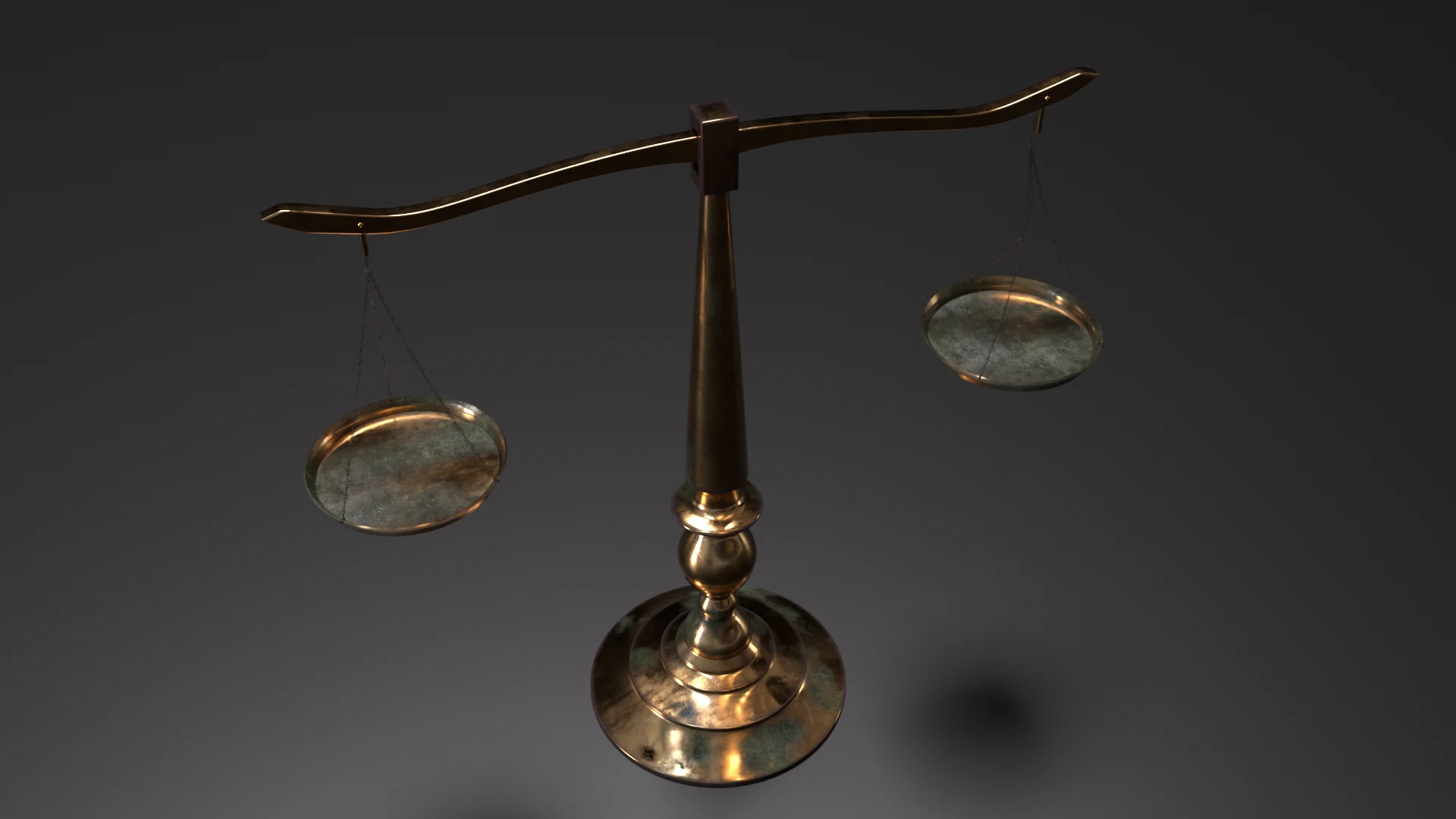
A balance scale is a measuring instrument used to determine the mass of an object by comparing it with a known mass. It has been used for centuries in laboratories, classrooms, markets, pharmacies, and industrial settings because of its ability to provide accurate and reliable measurements.
Unlike many modern weighing devices that calculate mass electronically, a traditional balance scale works through comparison and mechanical equilibrium. When the two sides of the balance reach equilibrium, the unknown object’s mass can be determined from the known reference weights.
Understanding how a balance scale works is useful for students, science enthusiasts, laboratory workers, and anyone interested in traditional measurement methods. This guide explains the meaning of a balance scale, its major types, common uses, working principle, advantages, limitations, and proper handling techniques.
What Is a Balance Scale?
A balance scale is a device designed to compare the mass of an unknown object with one or more objects of known mass. A traditional balance generally has a horizontal beam supported at a central pivot, with weighing pans attached to both sides.
When an object is placed on one pan and standard weights are placed on the other, the beam moves according to the difference between the two sides. When both sides are balanced, the known weights represent the mass of the object being measured.
This comparison-based method distinguishes a balance from many ordinary scales. A balance primarily determines mass by establishing equilibrium, while a scale may measure weight or use sensors to calculate a reading.
How Does a Balance Scale Work?
The basic operating principle of a traditional balance scale is equilibrium.
An object with an unknown mass is placed on one side of the balance. Standard weights are gradually added to the opposite side until the beam becomes level.
At equilibrium, the downward forces acting on the two sides are balanced around the central pivot. If the arms of the balance are equal in length, equal masses produce equal turning effects, allowing the unknown mass to be determined from the known weights.
The process is simple but can be highly precise when the balance is properly designed, calibrated, and used in suitable conditions.
Main Parts of a Balance Scale
A traditional balance scale contains several important components that work together to produce a measurement.
The beam is the horizontal component that connects the two sides. It moves around a central fulcrum or pivot, which allows the beam to tilt when the masses on either side are different.
The weighing pans hold the object and reference weights. A pointer or indicator may be attached to the beam to show whether the system is balanced.
Modern laboratory balances may contain additional components such as enclosed weighing chambers, calibration mechanisms, digital displays, and electronic sensors.
Types of Balance Scales
There are several types of balance scales, and each is designed for a particular purpose. Traditional mechanical balances are still useful for teaching and certain measurement applications, while modern electronic balances provide greater convenience and precision.
Equal-Arm Balance
An equal-arm balance is one of the most recognizable types of balance scales. It has a beam with two arms of equal length and a weighing pan on each side.
The object being measured is placed on one pan, while standard masses are placed on the other. The unknown mass can be determined when the beam reaches equilibrium.
This type of balance is particularly useful for demonstrating the fundamental concept of mass comparison.
Triple-Beam Balance
A triple-beam balance uses three sliding riders positioned along calibrated beams. Instead of requiring a collection of separate weights, the user moves the riders until the balance reaches equilibrium.
The values shown by the three beams are then combined to determine the object’s mass.
Triple-beam balances are commonly associated with science classrooms because they are durable, relatively simple to operate, and useful for teaching students how mass measurement works.
Analytical Balance
An analytical balance is designed for highly precise measurements, particularly in scientific laboratories.
Modern analytical balances typically use electronic sensing technology and often include an enclosed weighing chamber. The enclosure helps reduce the effects of air movement, dust, and other environmental factors.
These balances can measure very small changes in mass and are commonly used when experimental accuracy is important.
Electronic Balance
An electronic balance uses sensors and electronic circuitry to determine the mass of an object and display the result digitally.
Electronic balances are generally faster and easier to read than traditional mechanical models. Depending on the design, they may also offer features such as automatic calibration, multiple measurement units, and data connectivity.
They are widely used in laboratories, manufacturing environments, educational institutions, kitchens, and other settings where convenient mass measurement is required.
Precision Balance
A precision balance is designed to provide accurate measurements while generally supporting a wider range of capacities than highly sensitive analytical balances.
These balances are useful in laboratories, production environments, research facilities, and quality-control applications where accurate measurements are needed but ultra-high analytical precision is not always necessary.
Common Uses of Balance Scales
Balance scales are used in many different fields.
In education, they help students understand mass, comparison, measurement, and equilibrium. Teachers often use simple balances to demonstrate how different objects can have equal or unequal masses.
In science laboratories, balances are used to measure chemicals, samples, ingredients, and other materials. Accurate mass measurements are often essential for preparing solutions and conducting experiments.
In commercial and industrial settings, weighing equipment can be used for quality control, manufacturing processes, packaging, and material measurement.
Traditional balances have also played an important role in pharmacies, jewelry shops, markets, and other applications where accurate measurement was historically required.
Balance Scale vs. Weighing Scale
Although the terms are sometimes used interchangeably, a balance and a scale traditionally operate in different ways.
A balance compares an unknown mass against a known reference mass or uses a mechanism based on equilibrium. A conventional scale, on the other hand, typically measures force and converts it into a mass or weight reading.
Modern electronic instruments can blur this distinction because many devices use sensors and digital calculations. However, the fundamental comparison principle remains central to traditional balances.
What Is the Difference Between Mass and Weight?
Mass and weight are related but different scientific concepts.
Mass describes the amount of matter in an object and is measured in units such as grams and kilograms. Weight is the force exerted on an object by gravity and is measured in newtons.
A balance is commonly used to determine mass through comparison. Because the same gravitational acceleration acts on both sides of an ideal equal-arm balance, the comparison can determine mass without directly measuring gravitational force.
Advantages of Balance Scales
One major advantage of a traditional balance is that it demonstrates a straightforward physical principle. The measurement is based on comparison rather than relying entirely on electronic components.
Mechanical balances can also be durable and useful in educational environments. They can continue functioning without batteries or electrical power, depending on the design.
Modern balances provide additional benefits, including fast measurements, digital displays, high precision, automatic functions, and convenient unit conversion.
Limitations of Balance Scales
Traditional balance scales can require more time and attention than electronic scales. The user may need to carefully adjust weights or riders until equilibrium is reached.
Environmental conditions can also affect measurements. Air currents, vibrations, an uneven surface, temperature changes, and improper calibration can reduce accuracy.
Electronic balances have their own limitations. They require power, may be sensitive to environmental conditions, and can require regular calibration and maintenance to remain accurate.
How to Use a Balance Scale Correctly
Place the balance on a stable, level surface before beginning a measurement. Make sure the weighing pans and surrounding area are clean and free from unnecessary objects.
For a mechanical balance, check that the pointer or beam is properly positioned before placing the sample on the pan. Add known weights gradually rather than placing excessive weight on the balance at once.
Once equilibrium is reached, record the measurement carefully. For electronic models, allow the displayed reading to stabilize before recording the result.
How to Maintain a Balance Scale
Proper maintenance helps preserve accuracy and extend the useful life of a balance.
Keep the weighing surface clean and avoid placing objects on the balance that exceed its maximum capacity. Mechanical components should be handled gently because excessive force can damage sensitive parts.
Laboratory balances should be calibrated according to the manufacturer’s instructions and the requirements of the application. When high accuracy is essential, routine performance checks can help identify measurement problems before they affect important results.
Factors That Can Affect Accuracy
Several environmental and operational factors can influence balance measurements.
Air movement can cause lightweight objects or sensitive pans to move. Vibrations from nearby equipment can also interfere with stable readings.
Temperature and humidity may affect certain materials or sensitive instruments. Dust, contamination, an uneven surface, and incorrect calibration can create additional errors.
For precise laboratory measurements, controlling the surrounding environment and following proper weighing procedures is especially important.
Balance Scale in Science Education
Balance scales are valuable teaching tools because they make abstract scientific concepts easier to understand.
Students can use them to compare objects, explore equal and unequal masses, learn standard units, and observe the relationship between force and equilibrium.
Simple balance activities can also introduce children to mathematics by connecting physical objects with numbers, addition, subtraction, and measurement.
Choosing the Right Balance Scale
The best balance depends on the intended application.
For basic classroom demonstrations, a simple mechanical balance may be sufficient. For routine laboratory measurements, a precision or electronic balance may offer greater convenience.
If extremely small mass differences need to be detected, an analytical balance may be more appropriate. Capacity, readability, accuracy, environmental conditions, calibration requirements, and ease of use should all be considered before selecting a balance.
Frequently Asked Questions
What is the main purpose of a balance scale?
The main purpose of a balance scale is to determine an object’s mass by comparing it with known masses or by using a mechanism that establishes equilibrium.
Is a balance scale the same as a weighing scale?
Not exactly. A traditional balance compares masses, while a traditional weighing scale generally measures force and converts it into a weight or mass reading.
What unit does a balance scale measure?
Balances commonly provide measurements in grams, kilograms, milligrams, or other mass units depending on their design and application.
Why does a balance scale have two pans?
The two pans allow the unknown object to be compared with known masses. When the two sides reach equilibrium, the known masses can be used to determine the unknown mass.
Are balance scales still used today?
Yes. Mechanical balances remain useful in education and certain specialized applications, while electronic and analytical balances are widely used in modern laboratories and industry.
Conclusion
A balance scale is a fundamental measuring instrument based on the principle of comparing masses and achieving equilibrium. From simple classroom balances to highly precise laboratory instruments, different types are designed to meet different measurement requirements.
Understanding how a balance works provides a useful introduction to mass, force, equilibrium, and scientific measurement. Whether you are studying basic science or working with precision laboratory equipment, knowing the differences between balance types and using them correctly can help ensure reliable measurements.
With proper calibration, careful handling, and suitable environmental conditions, a balance can provide accurate and dependable results for educational, scientific, commercial, and industrial applications.
