

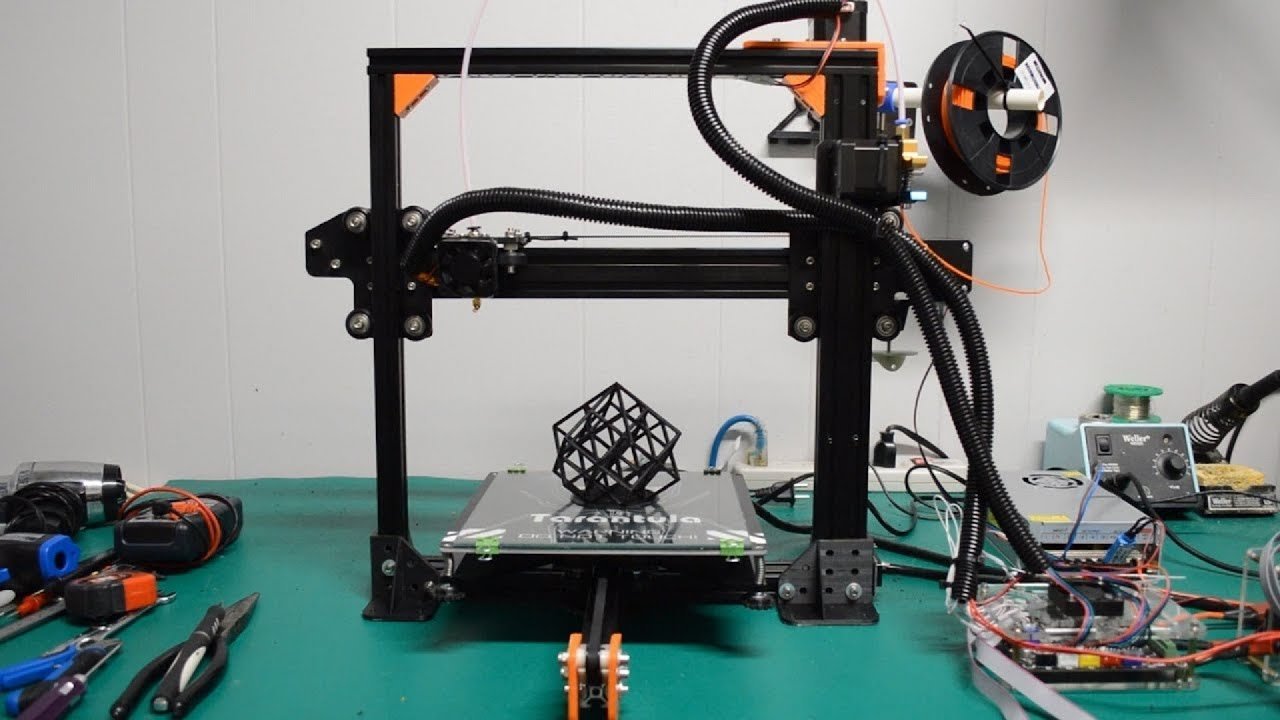
Tevo is a name associated with 3D printing and maker technology, particularly through products designed for enthusiasts, hobbyists, and users interested in desktop 3D printing. The name may refer to a specific Tevo 3D printer, product line, or brand-related technology depending on the context.
Tevo printers have attracted attention among makers because of features such as large build areas, heated print beds, customizable components, and support for commonly used 3D printing materials. Their designs have also been used by people who want to experiment with printing, prototyping, and customized objects.
What Is Tevo?
Tevo is best known in the 3D printing space for desktop FDM-style 3D printers. These machines create physical objects by depositing melted thermoplastic filament layer by layer according to instructions generated from a digital 3D model.
Tevo became recognized among hobbyist makers for offering printers with different configurations and capabilities. Depending on the particular model, features can include heated beds, touchscreen controls, filament extrusion systems, large build volumes, and adjustable printing settings.
How Does a Tevo 3D Printer Work?
A Tevo FDM printer generally begins with a digital model created or downloaded by the user. The model is processed through slicing software, which converts the design into instructions that tell the printer where and how to deposit material.
During printing, filament is fed into the extruder and heated until it becomes soft enough to pass through the nozzle. The nozzle deposits the material onto the build surface one layer at a time, gradually creating the complete object.
Key Features of Tevo Printers
Tevo printers can offer a range of features designed to improve printing flexibility and user control. The exact specifications vary between models, so users should always check the documentation for their particular machine.
Large Build Areas
Some Tevo models are designed with relatively large build volumes, allowing users to produce bigger objects without dividing them into multiple sections.
A larger build area can be useful for architectural models, cosplay components, functional prototypes, storage objects, and other projects where size is important.
Heated Print Bed
A heated build plate can help improve adhesion between the first layer and the printing surface. It can also help reduce certain forms of warping when working with materials that are more sensitive to temperature changes.
This feature can make the printer more versatile because users can work with a wider selection of filament types when the machine and material are properly configured.
Adjustable Printing Settings
3D printing requires different settings depending on the material and design. Parameters such as nozzle temperature, bed temperature, print speed, layer height, and infill can influence the final result.
Tevo printers can be configured to suit different projects, giving experienced users greater control over print quality and performance.
Modular and Upgradeable Design
One reason hobbyists may be interested in Tevo machines is the ability to modify or upgrade certain components. Depending on the model, users may replace or improve parts such as cooling systems, extruders, hot ends, control components, or the print surface.
Upgrading a printer can provide an opportunity to learn more about how 3D printing hardware works. However, modifications should be performed carefully because incorrect installation can affect print quality or create safety problems.
Uses of Tevo 3D Printers
Tevo printers can be used for a wide range of creative and practical projects. Their usefulness depends on the printer model, material, print settings, and user’s technical experience.
Prototyping
Designers and engineers can use desktop 3D printers to create prototypes before producing a final product. A printed prototype can help evaluate an object’s shape, dimensions, assembly, and general functionality.
Rapid prototyping can reduce the time required to test multiple design concepts. Instead of manufacturing every version professionally, a maker can print an early version and make changes to the digital model.
Hobby Projects
3D printing is popular among hobbyists who enjoy creating customized objects. Tevo printers can be used for models, decorations, organizers, toys, miniature structures, and other personal projects.
The ability to download or design digital models gives users considerable creative freedom.
Educational Projects
3D printers can also support learning in schools, colleges, universities, and home education environments. Students can create physical representations of mathematical shapes, engineering concepts, scientific structures, and architectural designs.
Working with a 3D printer can also introduce learners to computer-aided design, manufacturing concepts, material properties, and basic mechanical principles.
Functional Household Items
A desktop 3D printer can produce many small household objects and replacement pieces. Examples include cable organizers, hooks, brackets, storage containers, stands, clips, and customized holders.
Creating a replacement component can be particularly useful when an inexpensive plastic part is no longer available. However, printed components should not be used for safety-critical applications unless they have been properly engineered and tested.
Cosplay and Creative Design
Large-format 3D printing can be useful for creating cosplay accessories, costume components, props, masks, decorative pieces, and character-inspired models.
Individual components can be printed separately and assembled after printing. Finishing techniques such as sanding, filling, priming, and painting can then be used to improve the appearance.
Benefits of Tevo 3D Printers
One major benefit of a desktop Tevo printer is the ability to manufacture customized objects directly from digital designs. This provides flexibility that traditional purchasing cannot always offer.
Another advantage is the opportunity to experiment with different materials, designs, and printing settings. Makers can gradually improve their skills while learning how digital designs become physical products.
For users interested in customization, 3D printing can also reduce dependence on standard product sizes. Objects can be modified to fit particular dimensions, preferences, or project requirements.
Materials Used With Tevo Printers
The appropriate filament depends on the printer and its configuration. PLA is commonly used for beginner projects, decorative models, prototypes, and general-purpose prints because it is relatively easy to work with.
PETG can be useful for projects requiring greater toughness and durability, while ABS may be selected for applications requiring additional heat resistance. Flexible materials such as TPU can be suitable for certain parts that need elasticity.
Material compatibility should always be confirmed for the specific printer. Nozzle temperature, heated-bed requirements, ventilation, and other factors can vary considerably between materials.
Tevo for Beginners
A Tevo printer can provide a useful introduction to desktop 3D printing, but beginners should expect a learning curve. Successful printing requires understanding basic concepts such as bed leveling, nozzle height, extrusion, temperature, retraction, and first-layer adhesion.
Starting with small and simple models can make the learning process easier. Once basic settings are understood, users can gradually experiment with larger models, different materials, and more advanced designs.
Tevo vs. Other 3D Printers
Tevo printers can be compared with other desktop FDM machines based on factors such as build volume, print speed, reliability, ease of setup, upgradeability, material compatibility, and available support.
A printer with a large build area may be attractive for large projects, while another machine may be preferable for users who prioritize simple setup or automated features. There is no single best printer for every user because printing requirements vary.
Things to Consider Before Using Tevo
Before purchasing or operating a Tevo printer, consider the model’s specifications, replacement-part availability, supported materials, build volume, and community resources. Older printer models may also require more hands-on adjustment than newer machines.
Users should also consider where the printer will be operated. Adequate ventilation, a stable surface, appropriate electrical connections, and safe operating practices are important for any heated 3D printing equipment.
Is Tevo Good for 3D Printing?
Tevo can be a suitable option for makers who want a customizable desktop 3D printing platform and are comfortable learning how to configure and maintain their equipment.
Its suitability ultimately depends on the specific Tevo model and the user’s requirements. Beginners looking for maximum automation may prefer a more modern plug-and-play printer, while experienced hobbyists may appreciate the ability to adjust and modify their machine.
Final Thoughts
Tevo represents a notable name in the desktop 3D printing space, particularly among hobbyists and makers interested in customizable FDM printing. Its printers can be used for prototyping, education, creative projects, household objects, models, and many other applications.
The most important step is choosing the appropriate model and understanding its capabilities before starting a project. With suitable materials, correct settings, regular maintenance, and safe operating practices, a Tevo 3D printer can become a versatile tool for turning digital designs into physical objects.
