

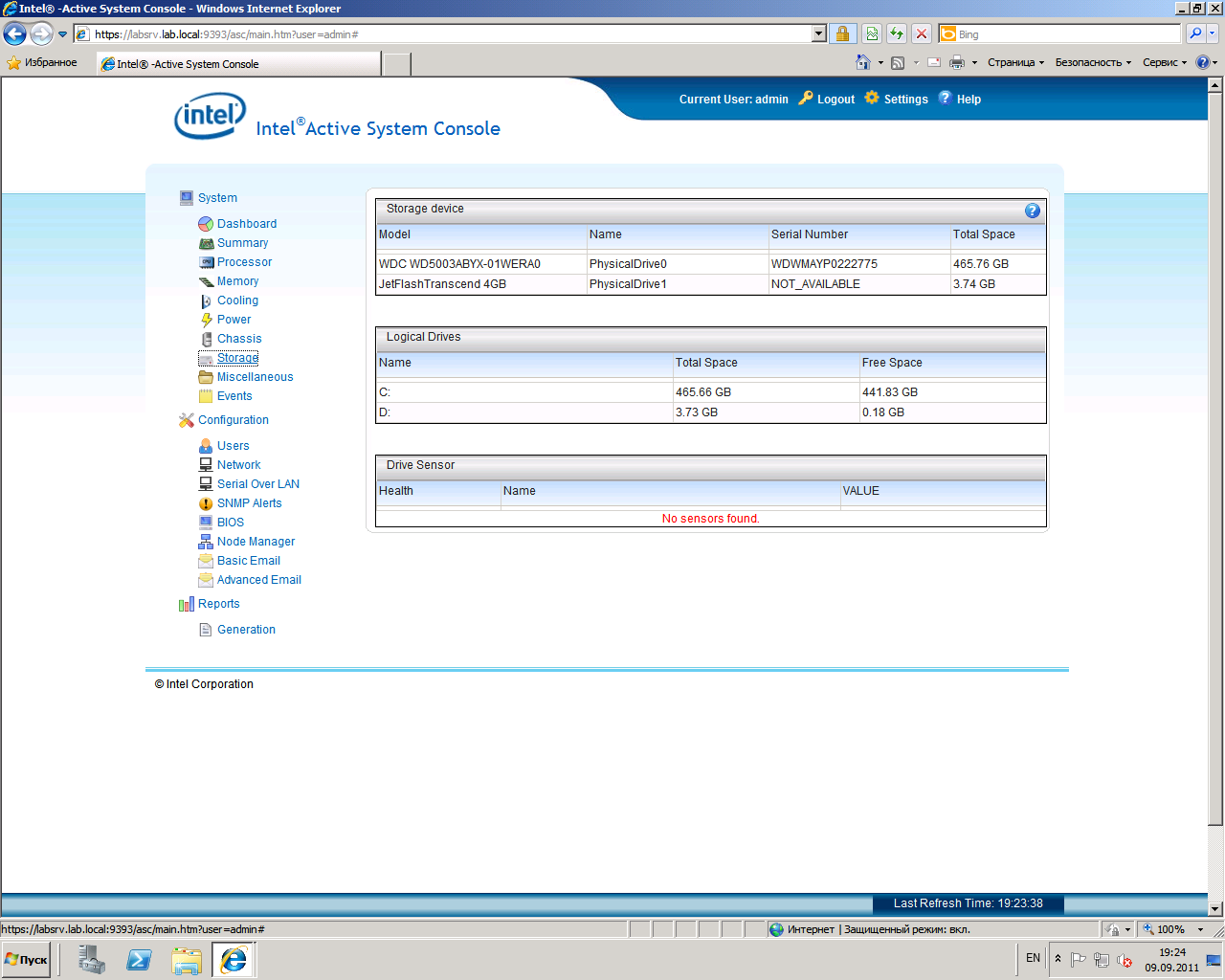
Active System Console is a system-management and monitoring interface designed to help users view, control, and troubleshoot different activities taking place within a computer, server, application, or technical environment.
Depending on the software or platform where it appears, the console may provide access to system status, running processes, performance information, logs, alerts, configuration settings, and administrative tools. It is generally intended to make complex technical operations easier to observe and manage from one centralized interface.
Because the name “Active System Console” may be used by different software products or internal system tools, its exact features can vary. However, the general purpose remains the same: giving users a structured way to monitor active system functions and manage technical operations.
What Is Active System Console?
Active System Console can be understood as a control and monitoring panel that displays information about the current condition of a system. It may show which services are running, how much memory or processing power is being used, whether errors have occurred, and if any system activity requires attention.
In many technical environments, a console acts as a bridge between the user and the underlying system. Instead of opening several separate tools, administrators may use one console to inspect system activity, review notifications, execute commands, and adjust settings.
The word “active” generally refers to current or ongoing system operations. This means the console may focus on live processes, active services, connected devices, current tasks, or real-time performance data.
How Does Active System Console Work?
An Active System Console usually collects information from different parts of a system and presents it in an organized dashboard. It may communicate with operating-system services, application components, databases, network devices, or background processes to retrieve current information.
When a user opens the console, the interface may display system health indicators, running tasks, warnings, event logs, and available controls. The user can then investigate unusual activity, stop unnecessary processes, restart services, or change supported configurations.
Some consoles are primarily graphical, while others are command-based. A graphical console uses menus, panels, charts, and buttons, whereas a command-line console requires users to enter instructions manually.
Main Features of Active System Console
System Monitoring
One of the most important features of an active system console is system monitoring. It may provide information about processor usage, memory consumption, storage activity, network traffic, and the overall condition of system resources.
Monitoring helps users identify whether a system is operating normally. If resource usage becomes unusually high, the console may help locate the application, service, or process responsible for the problem.
Process and Task Management
Many system consoles allow users to view currently running processes and tasks. This information can include process names, resource usage, execution status, and sometimes the user or service associated with each process.
Depending on the permissions available, users may be able to stop, restart, pause, or inspect selected tasks. This can be useful when an application becomes unresponsive or when a background process consumes excessive resources.
However, terminating important system processes without understanding their purpose can cause instability. Users should therefore avoid stopping unfamiliar services unless they know what those services do.
Service Management
A system console may also provide access to active services. Services are background components that perform important functions such as networking, updates, security, printing, authentication, or application support.
Through the console, an administrator may be able to check whether a service is running, restart it, change its startup behavior, or review service-related errors.
This feature is particularly useful for troubleshooting applications that depend on several background services.
Event Logs and Error Reports
Logs record important activities and events that occur within a system. These records may include successful operations, warnings, failed processes, security events, application crashes, and configuration changes.
An Active System Console may organize these records by date, severity, category, or source. This makes it easier to locate the cause of a technical issue.
For example, if a program repeatedly crashes, reviewing system or application logs may reveal missing files, permission problems, driver conflicts, or service failures.
Performance Information
Performance monitoring allows users to understand how efficiently a system is working. A console may display live statistics related to CPU usage, RAM, disk activity, network performance, and application response time.
Some advanced consoles also provide charts or historical data. These records can help users identify recurring problems, resource bottlenecks, and performance changes over time.
Performance information is valuable for both ordinary troubleshooting and long-term system optimization.
Alerts and Notifications
Some active system consoles include alerts that notify users when a problem requires attention. An alert may appear when storage space is low, a service stops unexpectedly, a device disconnects, or resource usage exceeds a defined limit.
Alerts reduce the need to constantly inspect every system component manually. They can help administrators respond more quickly to problems that might otherwise remain unnoticed.
Configuration and Administrative Controls
Depending on the software, the console may provide access to configuration settings. These settings could relate to system behavior, service preferences, user permissions, network options, monitoring rules, or application parameters.
Administrative controls are usually restricted to authorized users because incorrect changes can affect system security and reliability.
Common Uses of Active System Console
Troubleshooting System Problems
One of the main uses of an active system console is diagnosing technical problems. When a computer or server becomes slow, unstable, or unresponsive, the console may help identify the source of the issue.
Users can inspect running processes, review error messages, check services, and monitor resource usage. This information can make troubleshooting more systematic and reduce the need to rely on guesswork.
Monitoring Servers and Workstations
System administrators often need to monitor multiple computers, servers, or workstations. A centralized console can provide a convenient overview of system activity and operational status.
This is especially useful in business environments where downtime can interrupt communication, customer service, production, or access to important files.
Managing Background Services
Applications often depend on background services that users do not normally see. If one of these services stops working, the related application may fail to start or perform correctly.
An active system console can help administrators check service status and restart affected components when necessary.
Investigating Security Events
Some consoles provide access to security-related logs and activity records. These may help users identify failed login attempts, unexpected changes, unauthorized access attempts, or unusual system behavior.
Although a basic console is not always a complete security solution, it can support wider cybersecurity and system-auditing procedures.
Improving System Performance
By examining resource usage, users can determine which programs or services are consuming excessive CPU, memory, storage, or network capacity.
This information can support decisions such as closing unnecessary applications, adjusting startup settings, updating software, increasing hardware capacity, or removing unwanted processes.
Supporting IT Administration
In organizations, system consoles can help IT teams manage technical environments more efficiently. They may support routine maintenance, service checks, log analysis, system health reviews, and configuration management.
A well-organized console can save time because administrators do not need to inspect every system component separately.
Benefits of Active System Console
Centralized Information
A major benefit is that system information may be available from one location. Users can review performance, processes, services, and alerts without switching between numerous separate utilities.
This centralized approach makes system management more convenient and organized.
Faster Problem Detection
Live monitoring and alerts can help users recognize problems earlier. Detecting high resource usage, service failures, or repeated errors quickly may prevent a small issue from becoming a major system failure.
Better Troubleshooting
Detailed logs, process information, and performance statistics provide useful evidence during troubleshooting. Instead of making random changes, users can investigate the problem based on observable system behavior.
Improved Productivity
Administrators can perform routine checks and maintenance more efficiently through a unified interface. This can be particularly helpful when managing several systems or supporting users remotely.
Greater System Visibility
Many technical problems occur in the background and are not visible during normal computer use. A console reveals information about these hidden activities, giving users a clearer understanding of what the system is doing.
Support for Preventive Maintenance
Historical performance data and recurring alerts can help users identify problems before they lead to downtime. Preventive maintenance may include cleaning up storage, updating services, adjusting configurations, or replacing unreliable components.
Active System Console vs. Task Manager
An Active System Console and a task manager may have similar functions, but they are not necessarily the same tool.
A task manager generally focuses on running applications, processes, performance statistics, startup programs, and basic resource usage. It is usually designed for everyday operating-system management.
An active system console may offer a broader or more specialized set of functions. Depending on the software, it could include detailed logs, service controls, administrative commands, remote monitoring, application-specific information, and advanced configuration options.
The exact difference depends on the platform. In some cases, the term may simply describe a specialized console that performs tasks similar to a standard task-management utility.
Is Active System Console Safe to Use?
The safety of Active System Console depends on the software that provides it. If it is an official operating-system component or a trusted administrative tool, it may be a legitimate part of system management.
However, users should be cautious if they encounter an unfamiliar program using this name. Before changing settings or installing related software, it is wise to verify the publisher, installation source, file location, digital signature, and security status.
Users should also avoid downloading unknown “console” applications from unofficial websites. Some suspicious programs use technical names to appear legitimate while performing unwanted activities.
If the console requests unusual permissions, displays aggressive warnings, or appears unexpectedly, the system should be checked with reliable security software.
Best Practices for Using Active System Console
Users should first understand what each process, service, and setting does before making changes. Stopping an unfamiliar system process may cause applications to crash or prevent the operating system from functioning correctly.
It is also important to record configuration changes, especially when managing a business computer or server. Keeping notes makes it easier to reverse changes if a problem develops later.
Regular monitoring is more useful than checking the console only after a failure occurs. Reviewing system health, logs, and resource usage periodically can help identify patterns and prevent future issues.
Administrative access should be limited to trusted users. Strong passwords, updated software, secure access controls, and reliable backups are also important when the console is used in a professional environment.
Common Problems When Using a System Console
Too Many Technical Details
System consoles can display a large amount of information, which may be confusing for beginners. Users may see unfamiliar process names, codes, services, or technical messages.
The best approach is to focus first on the most relevant information, such as high resource usage, critical errors, stopped services, and recent changes.
Incorrect Process Termination
Stopping the wrong process can cause software failures or system instability. Users should research unfamiliar processes before ending them and should avoid terminating essential operating-system components.
Permission Restrictions
Some features may require administrator access. If a user cannot stop a service, change a setting, or open a log, the limitation may be related to account permissions rather than a software error.
Misinterpreting Warnings
Not every warning indicates a serious problem. Some warnings are temporary or expected during updates, startup, or normal maintenance.
Users should examine the event details, frequency, and impact before taking action.
Frequently Asked Questions
What is the main purpose of Active System Console?
Its main purpose is to provide visibility and control over active system operations. It may help users monitor resources, inspect processes, manage services, review logs, and troubleshoot technical problems.
Is Active System Console a virus?
The name alone does not prove that a program is malicious or safe. Its legitimacy depends on the specific software, publisher, location, and environment in which it appears.
Can Active System Console improve computer speed?
The console itself may not directly increase performance. However, it can help identify resource-heavy applications, unnecessary services, and other causes of slow performance.
Can beginners use Active System Console?
Beginners can use basic monitoring features, but advanced administrative controls require caution. It is best to learn the purpose of each option before changing system settings.
Does every computer have Active System Console?
No. The name is not necessarily a standard feature on every operating system. It may refer to a particular application, management tool, enterprise platform, or specialized system component.
Conclusion
Active System Console is generally a system-management interface that helps users observe and control active operations within a computer, server, application, or technical environment. Its possible features include process monitoring, service management, performance tracking, event logs, alerts, and administrative controls.
The tool can be valuable for troubleshooting, system maintenance, security investigation, and performance optimization. However, its exact purpose depends on the software or platform where the name appears.
For the most accurate explanation, users should identify the operating system, application, or device associated with Active System Console before making configuration changes or assuming that it is a standard system utility,
