


Yes. Polycystic ovary syndrome (PCOS) can often be managed without medication through nutrition, regular physical activity, sleep, stress management, and sustainable lifestyle changes. These approaches can improve insulin sensitivity, support a healthier menstrual cycle, help with weight management when needed, and reduce some PCOS symptoms.
However, lifestyle treatment is not a guaranteed substitute for medication in every person. PCOS varies considerably from one woman to another, and some people may still need medical treatment for problems such as very irregular periods, excessive hair growth, acne, infertility, or significant metabolic abnormalities.
The goal is not to follow an extremely restrictive diet or exercise as hard as possible. A more useful approach is to build habits that improve metabolic health and can realistically be maintained for months and years.
Understanding PCOS and Why Lifestyle Matters
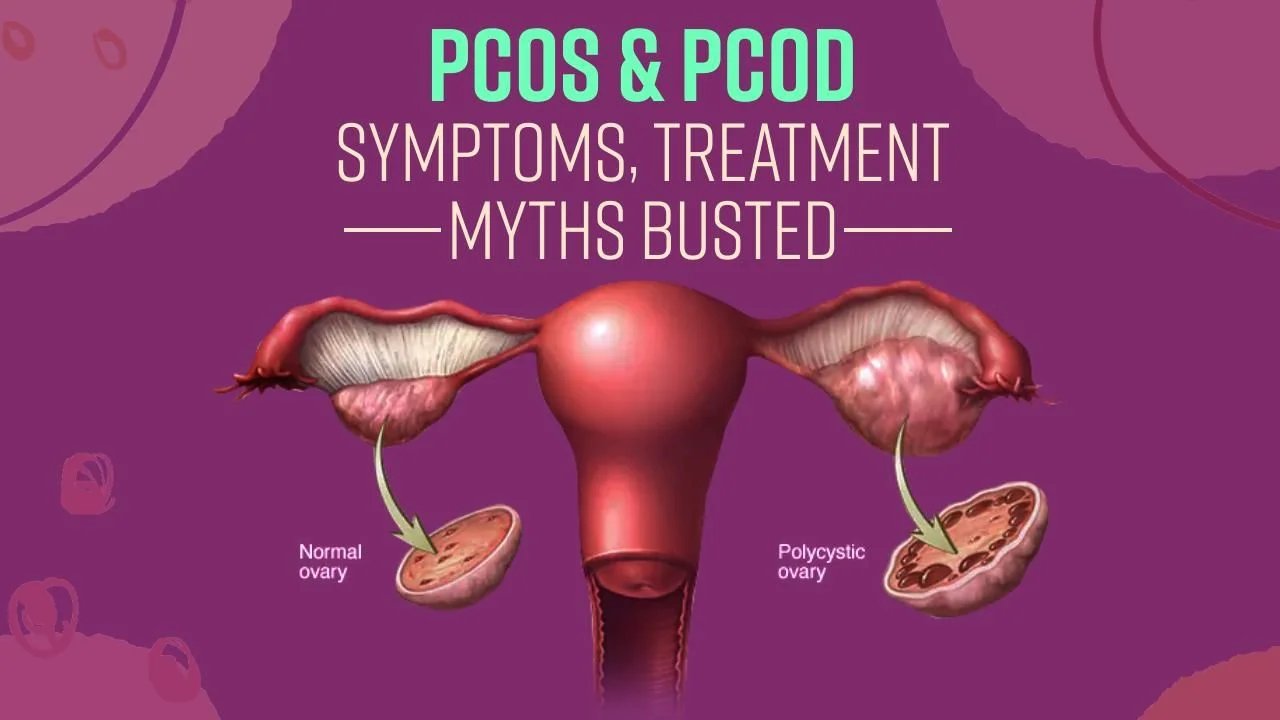
PCOS is a hormonal and metabolic condition that can affect ovulation, menstrual cycles, androgen levels, insulin regulation, skin, hair growth, fertility, and body weight. Despite its name, ovarian cysts are not required for a diagnosis, and the condition is much more complex than simply having cysts on the ovaries.
Insulin resistance is common in PCOS. When the body does not respond efficiently to insulin, the pancreas may produce more of it. Higher insulin levels can contribute to increased androgen production in some women, which may interfere with ovulation and contribute to symptoms such as acne, unwanted facial or body hair, and irregular periods.
Lifestyle measures can target several of these underlying processes at the same time. Regular movement can improve insulin sensitivity, while a balanced eating pattern can make blood-glucose control easier. Adequate sleep and stress management may also support hormonal and metabolic health.
Diet for PCOS: Focus on Quality, Not Extreme Restriction
There is no single “PCOS diet” that works for everyone. Instead of eliminating an entire food group or following a fashionable diet, focus on meals that contain a combination of protein, high-fiber carbohydrates, healthy fats, and vegetables or fruit.
Protein can help make meals more filling and may reduce the tendency to experience sharp hunger soon afterward. Good choices include eggs, fish, chicken, yogurt, milk, beans, lentils, chickpeas, tofu, and other minimally processed protein sources.
Fiber-rich foods are particularly useful because they generally digest more slowly and can support better blood-glucose control. Vegetables, beans, lentils, whole grains, fruit, nuts, and seeds can all contribute to a high-fiber eating pattern.
Carbohydrates do not automatically need to be removed. Whole or minimally processed sources such as oats, whole-wheat roti, brown rice, beans, lentils, potatoes, and fruit can fit comfortably into a PCOS-friendly diet. The bigger issue is often the overall quality and portion of carbohydrate-rich foods, particularly when meals rely heavily on sugary drinks, sweets, refined grains, and highly processed snacks.
Build Balanced Meals
A simple way to structure meals is to make vegetables a substantial part of the plate, include a clear protein source, and choose a sensible portion of a high-fiber carbohydrate. Add a modest amount of healthy fat when appropriate.
For example, breakfast might include eggs with whole-grain toast and vegetables, or plain yogurt with fruit, nuts, and seeds. Lunch could be lentils or grilled chicken with vegetables and a whole-grain roti, while dinner might include fish or beans with cooked vegetables and brown rice.
The important point is consistency rather than perfection. One meal will not determine your hormonal health, just as one dessert will not undo your progress.
Reduce Added Sugar and Highly Processed Foods
You do not need to ban sugar completely. However, frequently consuming sugary drinks, sweets, pastries, and heavily refined snack foods can make it harder to maintain stable energy intake and good metabolic health.
A practical first step is replacing sugar-sweetened beverages with water, unsweetened tea, or another low-sugar option. You can also gradually replace highly processed snacks with foods such as fruit, yogurt, nuts, roasted chickpeas, or other minimally processed alternatives.
This approach tends to be easier to maintain than declaring certain foods permanently “forbidden.”
Exercise for PCOS: Combine Strength and Aerobic Activity
Exercise is one of the most useful non-medication strategies for PCOS because its benefits extend beyond calorie expenditure. Physical activity can improve insulin sensitivity, cardiovascular fitness, muscle strength, mood, and overall metabolic health.
A combination of aerobic exercise and resistance training is particularly practical. Brisk walking, cycling, swimming, dancing, jogging, and similar activities can provide cardiovascular benefits. Strength training can include body-weight movements, resistance bands, free weights, or gym machines.
You do not have to start with an intense workout program. Someone who currently does little exercise may benefit substantially from simply walking regularly and gradually increasing the duration or intensity.
Strength Training Deserves Special Attention
Building and maintaining muscle can be particularly valuable for metabolic health because skeletal muscle plays an important role in glucose uptake.
Try to include strength exercises several times a week, allowing your body adequate recovery. Exercises such as squats, lunges, rows, presses, hip hinges, and other movements can be adapted to different fitness levels.
If you are new to resistance training, learning correct technique is more important than lifting heavy weights. Progress gradually rather than trying to transform your routine overnight.
Weight Management Without Crash Dieting
For people with PCOS who are above their healthy weight, even modest weight loss may improve some metabolic and reproductive outcomes. But weight is not the only measure of health, and PCOS can occur in people across the weight spectrum.
A crash diet is therefore not the goal. Strict calorie restriction can be challenging to sustain and may trigger a recurring pattern of limiting food intake followed by overeating. A better strategy is to create sustainable changes in food quality, portions, physical activity, sleep, and daily routines.
If weight loss is appropriate for you, gradual progress is generally more realistic than trying to lose a large amount of weight quickly.
Sleep and PCOS
Sleep is sometimes overlooked when discussing PCOS, but it deserves attention. Poor or insufficient sleep can affect appetite, mood, insulin sensitivity, and the ability to maintain healthy habits.
Aim for a consistent sleep schedule and enough sleep to feel rested. Keeping the bedroom dark and comfortable, limiting stimulating activities before bedtime, and maintaining a regular waking time can make good sleep easier.
If you regularly snore loudly, wake feeling unrefreshed, or experience significant daytime sleepiness, discuss these symptoms with a healthcare professional because sleep disorders can also occur alongside PCOS.
Stress Management Matters Too
Living with irregular periods, fertility concerns, acne, unwanted hair growth, or changes in weight can be stressful. Chronic stress can also make healthy routines harder to maintain.
Stress management does not require an elaborate wellness program. Walking outdoors, breathing exercises, meditation, prayer, stretching, hobbies, time with supportive people, and adequate rest are all reasonable options.
The best technique is the one you can actually use consistently. A ten-minute daily practice that you enjoy may be more useful than an ambitious routine that becomes another source of pressure.
Can Lifestyle Changes Make Periods Regular Again?
They can help, particularly when insulin resistance, weight changes, or other metabolic factors are contributing to irregular ovulation. Improved nutrition, regular exercise, and appropriate weight management may help some women experience more regular menstrual cycles.
However, there is no guarantee that lifestyle changes alone will restore regular ovulation. Persistently irregular or absent periods should not simply be ignored, because prolonged gaps between periods can sometimes increase the risk of excessive thickening of the uterine lining.
For that reason, menstrual patterns are worth tracking even when you are managing PCOS naturally.
Natural Supplements Are Not Automatically Safe
“Natural” does not necessarily mean effective or risk-free. Supplements marketed for PCOS can vary considerably in quality, dosage, and evidence.
Some supplements have been studied for particular PCOS symptoms, but evidence is not equally strong for all products, and supplements can interact with medicines or be inappropriate during pregnancy. It is sensible to discuss any supplement with a qualified healthcare professional before starting it, particularly if you are trying to conceive or have another medical condition.
Lifestyle treatment should not turn into taking a long list of unproven products.
When Medical Treatment Is Still Important
Managing PCOS without medicine does not mean avoiding healthcare. Medical assessment remains important for diagnosis, monitoring, fertility concerns, and symptoms that do not improve with lifestyle changes.
Seek professional advice if your periods are consistently very irregular or absent, you have unusually heavy bleeding, you are trying to become pregnant without success, or symptoms such as excessive hair growth or acne are becoming difficult to manage.
Medical care is also important if you have concerns about blood pressure, cholesterol, blood sugar, or other metabolic health markers. Medication, when recommended, is not a failure of lifestyle treatment. Sometimes the most effective approach is a combination of lifestyle changes and appropriate medical care.
A Practical PCOS Lifestyle Routine
A sustainable routine might begin with simple changes rather than attempting to overhaul your entire life. Build meals around protein and high-fiber foods, eat plenty of vegetables and fruit, reduce frequent sugary drinks and highly processed foods, and drink enough water.
Add regular walking or another enjoyable aerobic activity, and include strength training as your fitness allows. Keep a reasonably consistent sleep schedule and make time for stress-reducing activities.
Most importantly, give the changes time. PCOS is a long-term condition, so the objective is not to follow a perfect plan for two weeks. It is to develop habits that remain realistic when work becomes busy, motivation drops, or life does not go according to plan.
The Bottom Line
PCOS can often be managed without medication through a combination of balanced nutrition, regular aerobic and strength exercise, adequate sleep, stress management, and sustainable weight management when appropriate. These measures can improve metabolic health and may reduce several PCOS symptoms, but they do not work identically for everyone.
The strongest approach is usually not the most restrictive one. Consistent, practical habits—maintained over the long term and combined with appropriate medical monitoring—are far more useful than crash diets, exhausting workouts, or unproven “PCOS cures.”
