


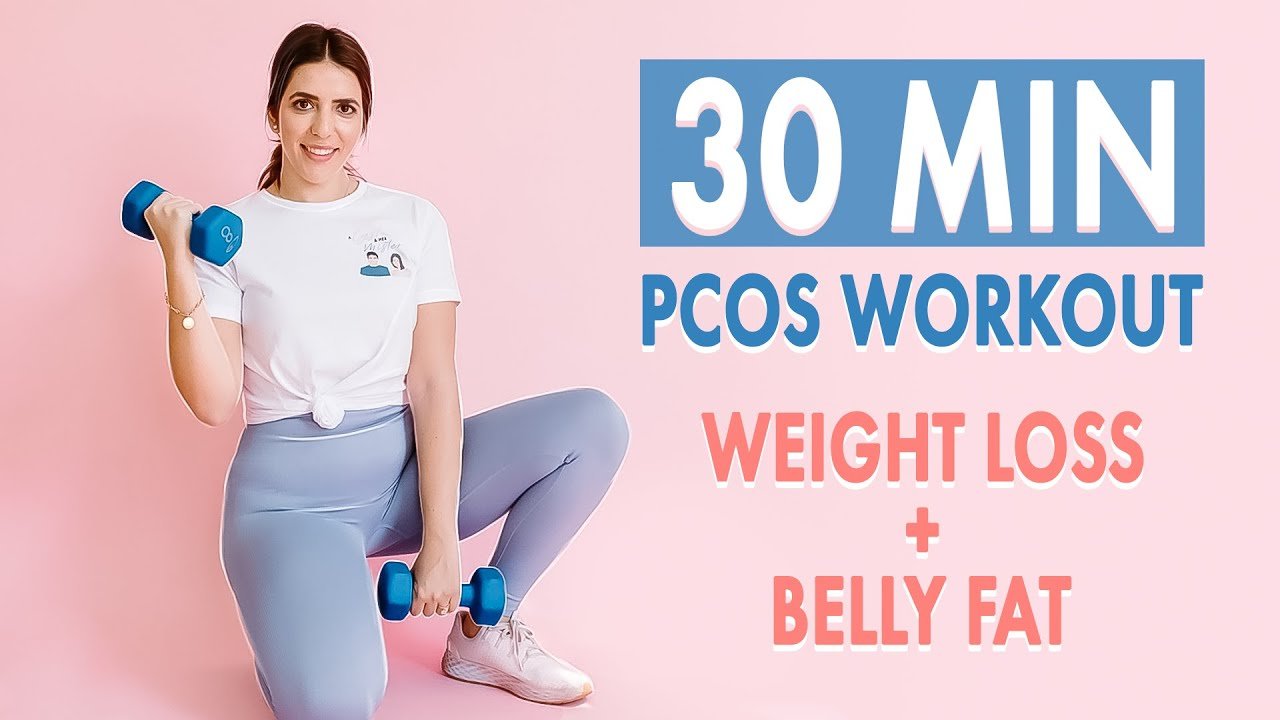
The best exercises for PCOS weight loss are a combination of strength training, brisk walking or other moderate aerobic exercise, and higher-intensity activity when your fitness level allows it. There is no single workout that specifically burns PCOS-related fat, but regular physical activity can improve insulin sensitivity, support healthy weight management, strengthen muscles, and improve overall metabolic health.
You do not need to exercise intensely every day. A consistent routine that combines resistance training with aerobic movement is generally more practical and sustainable than relying on exhausting workouts.
Why Exercise Helps With PCOS
Polycystic ovary syndrome can be associated with insulin resistance, changes in appetite and metabolism, difficulty losing weight, and increased abdominal fat. Exercise can help address some of these factors even when the number on the scale changes slowly.
Physical activity makes muscles more responsive to insulin, allowing them to use glucose more efficiently. Regular exercise can also improve cardiovascular fitness, preserve or build muscle, support mood, and make it easier to maintain a healthy body composition.
This highlights that exercise benefits for PCOS extend beyond weight loss and should be evaluated more broadly. Improvements in energy, strength, fitness, waist circumference, menstrual regularity, and metabolic health can also represent meaningful progress.
Strength Training for PCOS
For women with PCOS, strength training can be a particularly valuable and effective form of exercise. Resistance exercises stimulate the muscles and can help build or preserve lean muscle mass while supporting better insulin sensitivity.
You can strength-train at home or in a gym. Squats, lunges, glute bridges, rows, presses, hip hinges, and resistance-band exercises can provide a solid foundation.
Begin with a level of resistance that feels comfortable and controllable, while prioritizing proper form and technique. As the exercises become easier, gradually increase the resistance, repetitions, or difficulty rather than immediately pushing yourself to exhaustion.
Walking: Simple but Effective
Walking is often underestimated because it does not feel as demanding as running or intense interval training. However, regular brisk walking can be an excellent option for PCOS, particularly for someone who is currently inactive or has difficulty maintaining strenuous workouts.
A brisk-paced walk can elevate your heart rate while remaining relatively gentle on your joints. It can also be easier to incorporate into everyday life by walking after meals, taking the stairs, walking during breaks, or going for an evening walk.
If you are currently sedentary, start with short walks and gradually increase your duration. Consistency matters more than trying to complete a long workout immediately.
Cardio Exercise for Weight Management
Aerobic activities can boost overall calorie expenditure while supporting better cardiovascular health and endurance. You can choose activities that you actually enjoy, including brisk walking, cycling, swimming, dancing, jogging, or using an elliptical machine.
A useful goal is to accumulate regular moderate-intensity activity throughout the week rather than concentrating all your exercise into one or two exhausting sessions.
If you enjoy running, there is no reason you cannot run with PCOS unless another health issue makes it unsuitable. But running is not inherently better than walking, cycling, or swimming for everyone.
High-Intensity Interval Training
High-intensity interval training, commonly called HIIT, alternates short periods of harder exercise with easier recovery periods. It can provide an efficient cardiovascular workout and may improve fitness and metabolic health.
For example, you might alternate a faster pace with a slower recovery during walking, cycling, or another form of cardio.
HIIT is not essential for PCOS weight management, however. If intense exercise leaves you exhausted, causes pain, or makes you less likely to exercise consistently, moderate activity may be a better choice.
Beginners should build a basic fitness foundation before attempting frequent high-intensity workouts.
Yoga and Pilates
Yoga and Pilates are not primarily calorie-burning exercises, but they can still have a valuable place in a PCOS exercise routine. They can improve flexibility, balance, body awareness, and muscular endurance.
Yoga may also provide a useful opportunity to slow down and manage stress. This matters because stress, poor sleep, and emotional strain can make it more difficult to maintain healthy eating and exercise habits.
Think of these activities as complementary rather than replacements for aerobic and resistance training.
How Often Should You Exercise With PCOS?
A balanced weekly routine can include several days of aerobic activity along with strength training on multiple days. The exact amount should depend on your current fitness, schedule, age, health conditions, and experience with exercise.
Someone starting from very little activity may begin with short walks and two basic strength sessions each week. Over time, the duration and intensity can be increased as fitness improves.
There is no need to exercise seven days a week. Recovery is part of a successful training program, particularly when resistance or high-intensity exercise is involved.
A Simple Weekly PCOS Workout Plan
A practical routine might look like this:
Monday: Strength training with full-body exercises.
Tuesday: Brisk walking or another moderate cardio activity.
Wednesday: Rest, gentle stretching, or an easy walk.
Thursday: Strength training.
Friday: Moderate cardio such as cycling, swimming, dancing, or brisk walking.
Saturday: Longer enjoyable activity, such as hiking, walking, or recreational exercise.
Sunday: Rest and recovery.
This is only an example rather than a requirement. You can rearrange the days around your schedule and substitute activities you enjoy.
Exercise by Itself May Not Lead to Major Weight Loss
One important point is that exercise and weight loss are related, but they are not identical. Exercise increases energy expenditure and improves metabolic health, but changes in body weight are also influenced by food intake, sleep, stress, hormones, medications, genetics, and other factors.
For this reason, becoming frustrated when the scale does not immediately change can undermine an otherwise healthy routine.
Instead, consider several measures of progress. You may become stronger, walk farther, recover more quickly, sleep better, feel more energetic, or notice changes in how your clothes fit even before substantial weight loss occurs.
Combine Exercise With Sustainable Nutrition
Exercise tends to work best for PCOS weight management when paired with a balanced eating pattern. Rather than dramatically restricting calories or eliminating carbohydrates, focus on protein-rich foods, vegetables, fruit, high-fiber carbohydrates, healthy fats, and minimally processed foods.
Protein can help with fullness and muscle maintenance, while high-fiber foods can support healthier blood-glucose regulation. Reducing frequent consumption of sugary drinks and highly processed foods can also make it easier to manage overall calorie intake.
The goal is not to compensate for food by exercising excessively. Food and exercise should support each other rather than becoming part of a cycle of restriction and overtraining.
How to Stay Consistent With Exercise
The most effective PCOS workout is one you can continue doing. If you dislike running, you do not need to run. If you enjoy dancing, cycling, swimming, or walking, those activities can form the foundation of your aerobic routine.
Start smaller than you think you need to. A 20-minute workout that you complete regularly is more useful than an ambitious one-hour routine that you abandon after a few weeks.
It can also help to connect exercise with an existing habit. A walk after dinner, a short strength session before showering, or a regular weekend activity can become easier to maintain when it has a predictable place in your day.
When to Take It Slowly
If you have been inactive for a long time, have significant joint pain, experience dizziness or chest discomfort during exercise, or have another health condition, it is sensible to speak with a healthcare professional before beginning a demanding exercise program.
You should also pay attention to persistent fatigue, pain, or signs that your training load is too high. More exercise is not always better.
Final Thoughts
For PCOS weight management, prioritize a combination of strength training and regular aerobic activity, with walking as an excellent starting point and HIIT as an optional addition for those who tolerate it well. You do not need punishing workouts or a perfect exercise schedule.
The most effective long-term strategy is one that improves fitness while remaining realistic. Pair regular movement with nutritious food, sufficient sleep, stress management, and appropriate medical care, and judge progress by more than the scale alone.
