


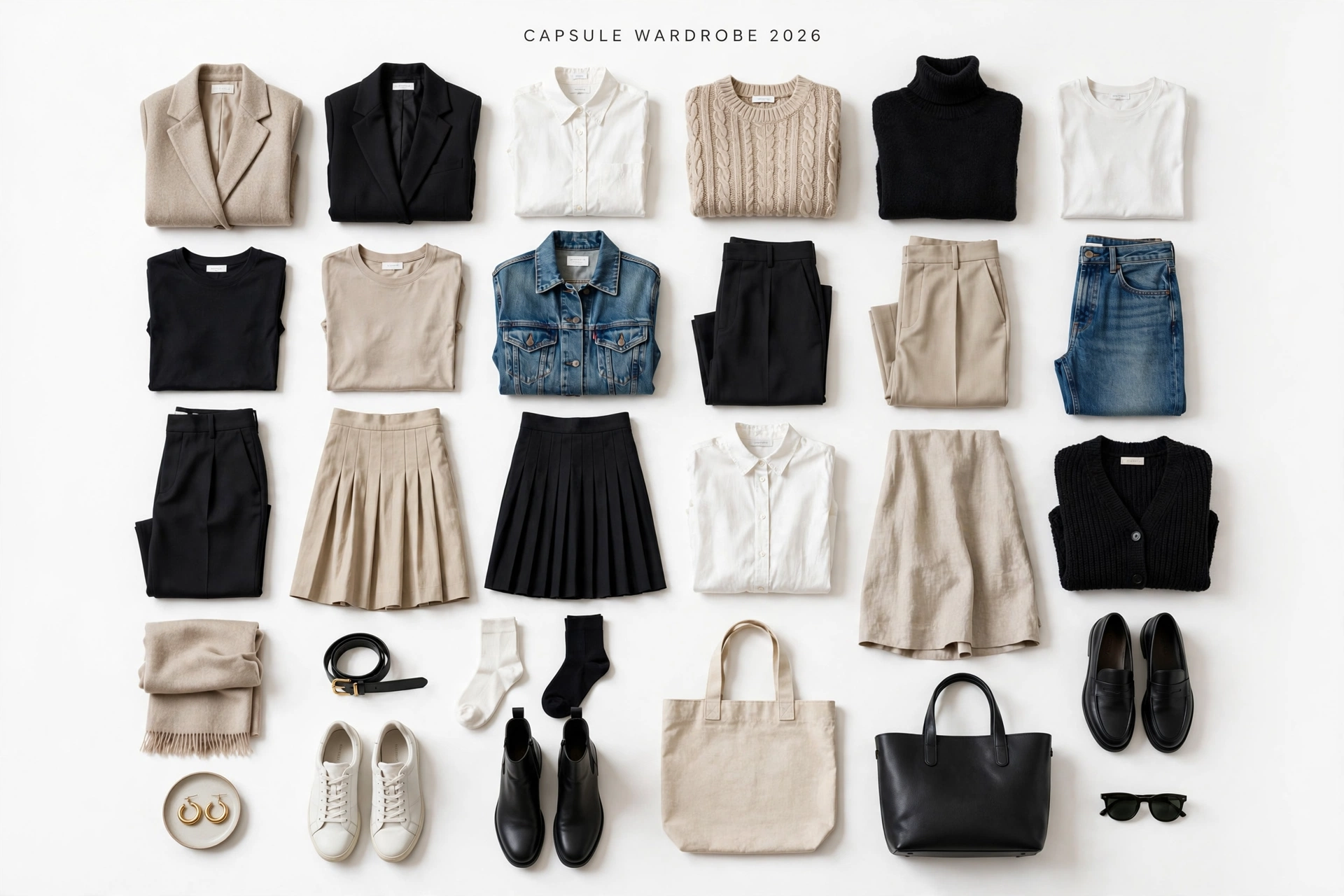
Fashion in 2026 is increasingly about versatility, personal expression, and making thoughtful choices rather than constantly purchasing new clothes. A capsule wardrobe offers a practical way to achieve a polished appearance with a carefully selected collection of clothing that works together across different occasions, seasons, and personal styles.
Capsule Wardrobe 2026: The Ultimate Style Guide explores how to build a functional, stylish, and adaptable wardrobe without filling your closet with unnecessary items. By focusing on timeless essentials, complementary colors, quality fabrics, and versatile outfit combinations, you can simplify everyday dressing while maintaining a distinctive sense of style.
From simple, understated looks and relaxed street styles to timeless tailoring and modern trends, a thoughtfully curated capsule wardrobe helps you maximize the versatility of your existing clothing. The goal is not to follow a strict set of fashion rules but to create a collection that reflects your lifestyle, fits comfortably, and makes getting dressed easier.
What Is a Capsule Wardrobe?
A capsule wardrobe is a thoughtfully curated collection of clothing designed to work together through coordinated colors, complementary silhouettes, and versatile designs. Instead of purchasing separate outfits for every occasion, you select pieces that can be combined in multiple ways, allowing a relatively small collection to create a wide variety of looks.
Traditional capsule wardrobes often emphasize neutral basics such as white shirts, black trousers, denim jeans, simple knitwear, and classic outerwear. However, a modern capsule wardrobe can also include statement colors, distinctive accessories, seasonal prints, and trend-led pieces when they support your personal style.
A capsule wardrobe has no fixed item count; the ideal number depends on your personal style, lifestyle, and clothing needs. Some people prefer a compact collection of 20 to 30 pieces, while others need a larger selection to accommodate work, family responsibilities, changing weather, and social activities. The most effective wardrobe is one that meets your real needs rather than an arbitrary numerical target.
Why Capsule Wardrobes Matter in 2026
Fashion trends continue to change rapidly, but many people are becoming more intentional about how they spend money and manage their clothing collections. A thoughtfully assembled capsule wardrobe promotes mindful shopping, versatile outfit pairings, and the long-term value of clothing that stays relevant across changing seasons.
A well-coordinated wardrobe also simplifies daily decisions by making outfit selection quicker and easier, allowing you to choose clothing that fits your plans without wasting time weighing up endless options. A smaller, more organized collection can also make it easier to identify wardrobe gaps and avoid purchasing items that duplicate what you already own.
In 2026, capsule dressing can accommodate a wide range of aesthetics, including quiet luxury, relaxed tailoring, contemporary minimalism, sporty casualwear, and vintage-inspired styling. Rather than treating these trends as strict requirements, consider incorporating selected elements that complement your existing wardrobe and remain practical for everyday use.
Essential Capsule Wardrobe Pieces for 2026
Classic Tops and Everyday Basics
Adaptable tops form the backbone of a practical capsule wardrobe, offering flexibility to create different looks on their own or when paired with additional layers. Plain T-shirts, button-down shirts, lightweight sweaters, fitted tops, and simple long-sleeved shirts are useful options for building outfits across different seasons and occasions.
White, black, gray, beige, navy, and cream are popular starting colors because they coordinate easily with a variety of trousers, skirts, jackets, and accessories. However, the best choices depend on your complexion, preferences, and existing clothing collection. A few carefully selected accent colors can introduce personality without making the wardrobe difficult to coordinate.
Well-Fitting Jeans and Trousers
Denim jeans are a reliable wardrobe staple that transitions effortlessly between everyday activities, trips, casual office settings, and laid-back weekend occasions. Straight-leg, wide-leg, slim, and relaxed cuts can all work well, provided the fit feels comfortable and complements the proportions you prefer.
Alongside denim, consider including tailored trousers or another polished bottom option suitable for professional settings and more formal occasions. Black, charcoal, navy, and beige trousers are especially versatile because they pair naturally with shirts, knitwear, blazers, and a variety of footwear. Choosing cuts that work with several tops helps increase the number of outfits available without requiring additional purchases.
Dresses and Skirts for Versatile Styling
For wardrobes that include dresses and skirts, simple silhouettes can provide excellent flexibility. A classic midi dress, an understated shirt dress, or a versatile skirt can be styled with sneakers for casual occasions and paired with more formal footwear or outerwear for dressier settings.
The most useful options are those that suit your everyday activities and can be adapted through layering. A lightweight cardigan, structured jacket, belt, or change of shoes can create a different overall appearance without requiring an entirely new outfit. Choose fabrics and lengths that feel comfortable in your climate and align with your personal preferences.
Jackets, Blazers, and Outerwear
Outerwear can transform a simple outfit and provide structure, warmth, and visual interest. A well-fitting blazer, denim jacket, lightweight overshirt, or classic trench coat can work with several different combinations, making these pieces especially valuable in a capsule wardrobe.
Your local climate should determine which outerwear deserves priority. People living in warmer regions may benefit more from breathable overshirts and lightweight jackets, while colder climates may require insulated coats, heavier knitwear, and weather-resistant layers. Rather than buying every traditional wardrobe staple, select outerwear that addresses the conditions you actually experience.
Shoes That Complete Your Wardrobe
The right shoes can transform an outfit’s overall look while also affecting its comfort, functionality, and suitability for different occasions. A versatile capsule collection might include clean everyday sneakers, comfortable flats or loafers, a dressier pair of shoes, and weather-appropriate footwear. These options can cover many common situations without requiring a separate pair for every outfit.
Color coordination is useful when selecting shoes, especially if you want to maximize outfit combinations. White, black, brown, beige, and other understated shades often work across several clothing styles, although the best choice depends on your existing wardrobe. Prioritize comfort, durability, and suitability for your daily activities over short-lived footwear trends.
How to Select the Perfect Color Scheme for Your Capsule Wardrobe
A cohesive color palette makes it easier to combine clothing without extensive planning. Begin by choosing two or three base colors that appear frequently in your wardrobe, such as black, navy, cream, gray, or beige. These shades can form the foundation of your collection and provide a consistent visual connection between different garments.
Next, introduce a few complementary colors that reflect your personality and preferred aesthetic. Olive green, burgundy, soft blue, chocolate brown, muted pink, and earthy tones can add variety while remaining relatively easy to coordinate. You do not need to restrict yourself to neutrals if brighter colors are an important part of your style.
The goal is to create harmony rather than eliminate contrast. For example, a navy top can pair with cream trousers, while a white shirt can work with black denim and brown accessories. Once your main colors are established, you can evaluate new purchases by considering how many existing pieces they complement.
How to Build a Capsule Wardrobe Step by Step
Step 1: Assess Your Existing Clothes
The first step is to examine the clothing you already own instead of immediately purchasing new items. Separate the garments you wear regularly from those that rarely leave the closet, and consider why certain pieces are more useful than others. Fit, comfort, fabric quality, color coordination, and suitability for your lifestyle can all influence how often you reach for a particular item.
Avoid discarding clothing simply because it does not fit a particular fashion trend. If an item still fits comfortably and serves a clear purpose, it may deserve a place in your wardrobe. Set aside garments that need repair, tailoring, or seasonal storage, and identify genuine gaps before deciding what to buy.
Step 2: Define Your Lifestyle and Personal Style
Your capsule wardrobe should reflect how you actually spend your time. Someone who works in a formal office may need tailored trousers, shirts, blazers, and professional footwear, whereas a remote worker may prioritize comfortable trousers, knitwear, relaxed tops, and casual shoes.
Consider your climate, daily commute, social commitments, hobbies, and dress requirements when planning your collection. It is also useful to identify a few style words that describe the appearance you want to achieve, such as classic, relaxed, modern, elegant, sporty, or minimalist. These preferences can guide future purchases and help maintain consistency across your outfits.
Step 3: Identify Missing Essentials
After reviewing your existing clothing and lifestyle, identify the items that would make your wardrobe more functional. You might need a versatile pair of trousers, a lightweight jacket, comfortable everyday shoes, or a top that works with several existing bottoms. Prioritize items that solve recurring problems rather than buying pieces simply because they are fashionable.
A practical method is to create a short shopping list and rank each item according to usefulness, budget, and frequency of wear. If one purchase can complete several outfits, it may provide more value than a statement piece that works with only one combination. This approach helps prevent unnecessary spending and encourages a more deliberate wardrobe-building process.
Step 4: Invest in Fit, Fabric, and Quality
Clothing quality is not determined by price alone. Fabric composition, stitching, construction, ease of care, and fit all contribute to how a garment looks and performs over time. Natural fibers such as cotton, linen, and wool can be useful in different circumstances, while modern blends may provide durability, stretch, wrinkle resistance, or easier maintenance.
Before purchasing an item, examine its seams, closures, fabric thickness, and care instructions. Consider whether it will remain comfortable after several hours of wear and whether it can be cleaned using the methods available to you. A moderately priced garment that fits well and receives regular use can be a better investment than an expensive item that rarely suits your lifestyle.
Step 5: Test Outfit Combinations
Once your core pieces are in place, experiment with combining them in different ways. A basic shirt and trousers can create a casual look with sneakers, a polished appearance with a blazer, or a layered outfit with a lightweight sweater. Small changes in footwear, accessories, and outerwear can create noticeable differences without increasing the size of your wardrobe.
Taking photographs of successful outfits can make everyday styling easier, particularly when you are short on time. You can also plan a week’s worth of outfits in advance and note which combinations feel comfortable and appropriate for your schedule. Over time, this process helps reveal the pieces that provide the greatest versatility and the items that may no longer serve a useful purpose.
Capsule Wardrobe Outfit Ideas for 2026
Casual Everyday Outfits
A relaxed everyday outfit can begin with a neutral T-shirt, straight-leg jeans, and comfortable sneakers. Add a denim jacket or lightweight overshirt when the weather calls for another layer, and use a simple bag or understated accessories to complete the look.
For a slightly more refined casual appearance, replace the T-shirt with a button-down shirt or fine-knit top and choose cleaner, more structured trousers. The result remains comfortable while offering a more intentional silhouette. These combinations are particularly useful for shopping, informal gatherings, travel, and other everyday activities.
Smart-Casual and Office Outfits
Smart-casual dressing works well when clothing combines comfort with a polished appearance. Tailored trousers, a crisp shirt, loafers, and a blazer can form a reliable outfit for many professional environments. In less formal settings, a fine-knit sweater or simple top may replace the shirt while preserving a neat overall appearance.
The most effective office capsule wardrobe depends on workplace expectations. Some environments require formal business attire, while others permit jeans, sneakers, or relaxed layers. Building around the actual dress code helps ensure that each item is practical rather than merely attractive in theory.
Minimalist and Elegant Outfits
Minimalist outfits rely on clean lines, thoughtful proportions, restrained color combinations, and carefully selected accessories. A monochromatic outfit, such as a cream top with matching trousers or an all-black combination, can create a cohesive appearance without complicated styling.
Texture can add interest when the color palette is simple. Combining a knitted top with structured trousers, a smooth shirt with wool outerwear, or denim with a refined jacket creates contrast while preserving a balanced aesthetic. Well-maintained clothing and appropriate fit often contribute more to an elegant appearance than the number of accessories or visible brand names.
Seasonal Capsule Wardrobe Styling
Seasonal styling allows the same core wardrobe to work throughout the year. During warmer months, breathable shirts, linen-blend trousers, lightweight dresses, and comfortable sandals may provide the greatest versatility. When temperatures fall, layering with knitwear, jackets, warmer trousers, and suitable footwear can extend the usefulness of many existing pieces.
Instead of rebuilding your wardrobe every season, rotate a small number of weather-specific items while retaining your main essentials. Store seasonal clothing appropriately and bring it back when conditions change. This approach can reduce clutter, preserve useful garments, and make the transition between seasons more manageable.
Capsule Wardrobe Trends to Consider in 2026
Quiet Luxury and Timeless Basics
Quiet luxury remains a useful styling reference for people who appreciate understated outfits, refined fabrics, and classic silhouettes. Its practical elements include well-fitting trousers, simple knitwear, clean shirts, neutral colors, and outerwear with minimal decoration. These pieces can work across many occasions and often remain relevant beyond a single fashion season.
However, you do not need expensive designer clothing to achieve a refined appearance. Paying attention to fit, fabric condition, color coordination, and garment care can help create a polished wardrobe at different price points. The focus should be on how the clothing looks and functions together rather than the label attached to each item.
Relaxed Tailoring and Comfortable Silhouettes
Relaxed tailoring offers a balance between structure and ease, making it suitable for both professional and casual outfits. Slightly looser trousers, unstructured blazers, oversized shirts, and comfortable layers can create a contemporary appearance without sacrificing practicality.
Proportion is important when combining relaxed pieces. Pairing wide-leg trousers with a more fitted top, for example, can create balance, while a structured jacket can add definition to a loose silhouette. Experimenting with proportions helps you adapt contemporary styling ideas to your body, comfort preferences, and personal taste.
Sustainable and Mindful Fashion Choices
Sustainable fashion is closely connected to the capsule wardrobe philosophy because both encourage people to think carefully about consumption. Rewearing existing clothes, repairing damaged garments, shopping secondhand, and selecting durable pieces can reduce unnecessary purchases and extend the useful life of clothing.
It is important to remember that buying fewer items does not automatically make every wardrobe sustainable. The durability of materials, garment production, washing habits, and how long clothing is actually used all contribute to its overall impact. A practical starting point is to purchase only what you need, care for your clothes properly, and avoid replacing useful garments simply because a new trend has appeared.
Common Capsule Wardrobe Mistakes to Avoid
One common mistake is creating a wardrobe based entirely on someone else’s style. Neutral basics and minimalist outfits may be popular, but they will not necessarily suit every personality, climate, profession, or cultural preference. A successful capsule wardrobe should make your life easier while allowing you to express your individuality through color, texture, accessories, and distinctive pieces.
Another mistake is focusing too heavily on quantity rather than usefulness. Reducing your wardrobe to a very small number of items can become impractical if you need separate clothing for work, exercise, special occasions, or changing weather. Instead of following a strict item limit, evaluate whether each garment serves a clear purpose and works with the rest of your collection.
Ignoring comfort and fit can also undermine the entire concept. A beautiful jacket that restricts movement or trousers that are uncomfortable after several hours may not become regular wardrobe favorites. Try clothing carefully, consider alterations when appropriate, and prioritize pieces that suit your everyday activities.
Finally, avoid buying an entirely new wardrobe at once. Building a capsule collection gradually allows you to discover what works, test combinations, and make better decisions about future purchases. This method is often more manageable financially and helps prevent the accumulation of items that look appealing in isolation but do not fit your actual needs.
How to Maintain Your Capsule Wardrobe
Maintaining a capsule wardrobe requires occasional reviews rather than constant replacement. At the beginning of each season, examine your clothing for fit, damage, wear, and relevance to your current lifestyle. Repair missing buttons, mend small tears, clean footwear, and address minor issues before they become reasons to discard otherwise useful items.
Proper clothing care can also extend the life of your wardrobe. Follow garment-specific washing instructions, avoid excessive washing when airing is sufficient, store knitwear in a way that prevents stretching, and use appropriate hangers for structured garments. Delicate fabrics and special finishes may require additional care, so check labels before using heat or strong cleaning products.
It is equally important to reassess your needs as your circumstances change. A new job, a move to a different climate, changes in daily activities, or evolving style preferences may require adjustments to your collection. A capsule wardrobe should remain flexible rather than becoming a rigid system that no longer reflects your life.
Frequently Asked Questions About Capsule Wardrobes in 2026
How many clothes should a capsule wardrobe contain?
There is no fixed number of items that works for everyone. A compact wardrobe might contain around 20 to 30 carefully selected pieces, while a larger collection may be necessary for people with varied professional, social, and seasonal requirements. The best size is the one that provides sufficient outfit variety without unnecessary duplication.
What are the essential capsule wardrobe pieces for 2026?
Common essentials include versatile tops, well-fitting jeans, tailored trousers, comfortable footwear, adaptable outerwear, and a few layers suitable for changing temperatures. Dresses, skirts, formal clothing, or sportswear can be added according to individual needs. The ideal selection depends on your lifestyle, climate, and preferred style.
Can I create a capsule wardrobe on a budget?
Yes. Start by using clothes you already own, then identify only the most important gaps. Consider secondhand shops, clothing swaps, seasonal sales, and basic garments from reliable budget-friendly retailers. Purchasing fewer, more versatile pieces can make it easier to stay within budget while building a coordinated wardrobe.
Is a capsule wardrobe suitable for every personal style?
A capsule wardrobe can accommodate minimalist, classic, casual, streetwear-inspired, professional, and more colorful styles. The principle is versatility, not a requirement to wear neutral colors or avoid trends. You can include statement pieces as long as they work with your lifestyle and the rest of your clothing collection.
How often should I update my capsule wardrobe?
Review your wardrobe seasonally or whenever your needs change significantly. Replace worn-out essentials when necessary, add clothing suited to different weather conditions, and reassess pieces that no longer fit your lifestyle. There is no need to purchase new clothing simply because a new season or trend has arrived.
Conclusion: Build a Wardrobe That Works for You
A capsule wardrobe in 2026 is about creating a practical, coordinated collection of clothing that supports your lifestyle and reflects your personal style. By choosing versatile essentials, establishing a complementary color palette, prioritizing fit and quality, and experimenting with outfit combinations, you can make everyday dressing simpler without sacrificing individuality.
The most effective approach is to start with what you already own, identify genuine wardrobe gaps, and make thoughtful purchases over time. Whether your goal is to embrace minimalist fashion, improve your daily outfits, reduce unnecessary spending, or create a more organized closet, a capsule wardrobe offers a flexible foundation for dressing with confidence throughout 2026 and beyond.
