


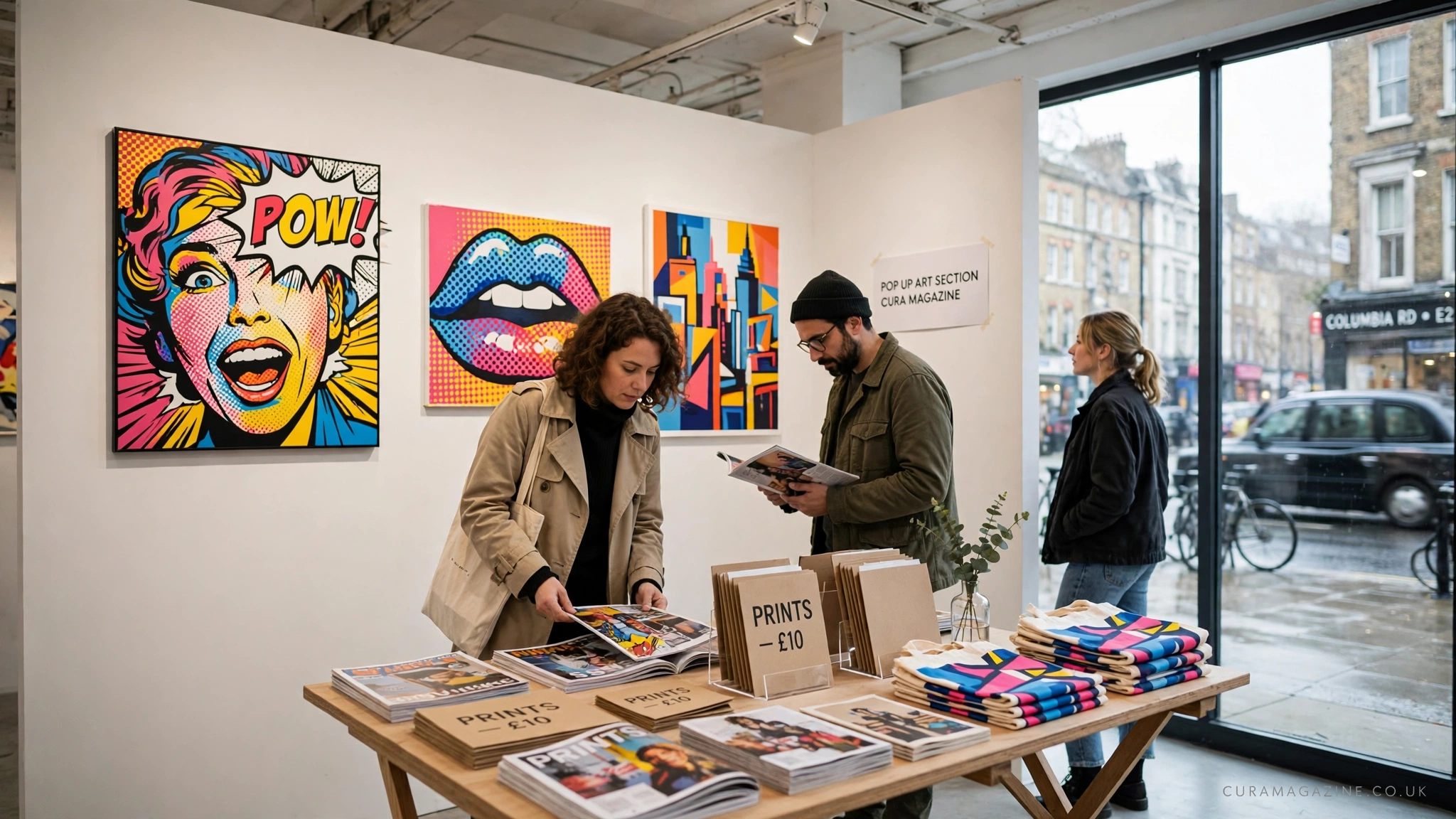
Contemporary art continues to evolve through experimental exhibitions, temporary installations, independent creative spaces, and new forms of artistic collaboration. Within this changing landscape, pop-up art has become an important way for artists and curators to present new ideas outside conventional gallery settings. These temporary exhibitions encourage experimentation, create opportunities for emerging talent, and bring contemporary art into direct contact with audiences in unexpected environments.
The Pop Up Art Section – Cura Magazine | Contemporary Exhibitions explores the relationship between temporary art spaces, contemporary artistic practice, and independent exhibition-making. For readers interested in discovering new artists, understanding experimental curatorial approaches, and following developments in contemporary visual culture, pop-up exhibitions offer a compelling perspective on how art can be created, presented, and experienced beyond traditional institutions.
CURA. Magazine is associated with international contemporary art discourse, artist interviews, curatorial research, and experimental creative practices. Readers interested in its editorial approach can explore the magazine’s official digital platform to discover published features, exhibition-related content, and conversations surrounding contemporary artistic developments.
What Is a Pop-Up Art Exhibition?
A pop-up art exhibition is a temporary presentation of artworks in a location that may not operate as a permanent gallery. These exhibitions can take place in independent studios, vacant retail units, warehouses, cultural venues, project spaces, historic buildings, or unconventional public environments. Their temporary nature allows organisers to respond quickly to artistic opportunities, experiment with exhibition formats, and reach audiences who may not regularly visit established galleries.
Unlike traditional exhibitions that often require extensive institutional planning, pop-up projects can be developed around a specific artistic idea, community, collaboration, or cultural event. Some focus on a single artist’s latest work, while others bring together several practitioners working across painting, sculpture, photography, installation, performance, and digital media. This approach creates an engaging and intimate atmosphere, allowing visitors to connect more closely with artists and exchange ideas through meaningful, face-to-face discussions.
The flexibility of pop-up exhibitions also makes them valuable for artists exploring new directions in their practice. Temporary spaces can accommodate experimental installations, unfinished research, interdisciplinary projects, and artworks that respond specifically to their surroundings. By creating opportunities for artistic risk, pop-up exhibitions contribute to a contemporary art culture that values discovery, participation, and alternative approaches to presentation.
Cura Magazine and the Contemporary Art Conversation
CURA. Magazine occupies a place within the international contemporary art publishing landscape, with an editorial identity associated with artistic experimentation, critical writing, and curatorial perspectives. Its wider context makes the relationship between temporary exhibitions and contemporary art publishing a relevant subject for readers seeking to understand how new artistic practices gain visibility and enter wider cultural conversations.
Art magazines contribute to the life of an exhibition by documenting artistic projects, presenting interviews, discussing curatorial decisions, and placing individual artworks within broader cultural contexts. A temporary exhibition may last only a few days or weeks, but thoughtful editorial coverage can help preserve its ideas and introduce the participating artists to audiences who were unable to attend in person. This connection between exhibition-making and publishing is particularly valuable for independent practitioners working outside major institutions.
Readers examining the Pop Up Art Section from an editorial perspective can gain a clearer understanding by exploring how short-term exhibitions connect with the magazine’s wider coverage of current artistic practices and emerging creative ideas. Specific exhibition announcements, featured artists, and programme details should be confirmed through CURA.’s official publication channels rather than assumed from the section title alone.
Why Pop-Up Art Matters in Contemporary Culture
Creating Opportunities for Emerging Artists
Emerging artists often face challenges when seeking exhibition opportunities, including limited access to gallery representation, affordable studio space, production resources, and professional networks. Pop-up exhibitions can offer an alternative route into public presentation by allowing artists to organise collaborative projects, work with independent curators, and develop relationships with audiences without relying exclusively on established institutions.
These opportunities can be particularly important for artists experimenting with unconventional materials or interdisciplinary methods. A temporary exhibition may provide the freedom to test new ideas, respond to a specific location, or collaborate with practitioners from different creative backgrounds. Even a short presentation can become a meaningful stage in an artist’s development, helping establish professional connections and generate documentation for future projects.
Encouraging Curatorial Experimentation
Pop-up exhibitions also give curators opportunities to test different ways of arranging artworks, shaping visitor experiences, and connecting artistic ideas. Without the expectations associated with a permanent gallery programme, curators may be able to develop more flexible exhibition structures and explore subjects that benefit from smaller, more focused presentations. The temporary setting can become an active component of the curatorial concept rather than simply a neutral backdrop.
Experimental curating may involve combining artworks with sound, film, performance, archival materials, or participatory activities. It can also involve reconsidering how visitors move through a space, how artists communicate with audiences, and how exhibitions respond to the histories or architecture of a particular location. Such experimental methods broaden the scope of contemporary exhibition design, creating fresh opportunities for audiences to engage with artworks through more varied and inclusive experiences.
Connecting Art With Local Communities
Temporary exhibitions can bring art into neighbourhoods and communities that may have limited access to major museums or commercial galleries. By using familiar buildings, independent businesses, community venues, and alternative cultural spaces, organisers can create opportunities for people to encounter art within their everyday surroundings. This approach can make exhibitions feel more approachable and encourage participation from audiences who might not otherwise engage with contemporary art.
Community-oriented pop-up projects may also explore local histories, cultural identity, migration, environmental concerns, and the changing character of urban spaces. Artists can collaborate with residents, researchers, and local organisations to create exhibitions that reflect the experiences of the people connected to a particular place. In this context, pop-up art becomes more than a temporary display; it can serve as a platform for exchange, discussion, and shared cultural expression.
Different Forms of Pop-Up Art Exhibitions
Contemporary Painting and Mixed Media
Painting remains a significant part of pop-up art programming, particularly when artists use temporary spaces to experiment with scale, colour, composition, and presentation. Exhibitions may bring together established techniques and contemporary subjects, allowing viewers to compare different approaches to representation, abstraction, identity, and personal experience. Mixed-media projects can further expand this format by combining painting with collage, textiles, found objects, photography, and digital imagery.
Temporary venues can also influence how paintings are displayed and interpreted. An exhibition in a former retail space or industrial building may create a different relationship between artworks and architecture than a conventional gallery. Artists and curators can use these differences to establish atmosphere, introduce unexpected contrasts, and encourage visitors to reconsider familiar artistic forms.
Sculpture and Installation Art
Pop-up exhibitions are particularly suited to sculpture and installation because these art forms often respond directly to the dimensions, materials, and physical characteristics of a space. Artists may create site-specific works, temporary structures, suspended objects, or immersive environments that transform how visitors move through a building. Such projects can make the location itself an essential part of the artistic experience.
Installation-based pop-ups may also combine light, sound, video, and interactive elements to create environments that change according to audience movement or other conditions. Their temporary character can reinforce ideas about impermanence, transformation, memory, and the relationship between people and places. For contemporary audiences, these exhibitions offer an opportunity to experience art as an environment rather than solely as an object to observe.
Photography and Digital Art
Photography exhibitions provide another effective format for temporary art presentations. Pop-up displays can introduce documentary projects, experimental image-making, portraiture, architectural photography, and visual research to audiences in an accessible setting. Their concentrated format often allows visitors to engage closely with a specific subject or photographic approach without the scale of a large institutional exhibition.
Digital art extends these possibilities through video, projection, animation, interactive systems, and networked media. Artists can use temporary venues to explore questions about technology, digital identity, artificial intelligence, surveillance, and the circulation of images. These exhibitions demonstrate how contemporary art can adapt to new technologies while continuing to address fundamental questions about human experience, perception, and culture.
The Role of Independent Galleries and Temporary Art Spaces
Independent galleries, artist-run initiatives, and temporary project spaces form an important part of the contemporary art ecosystem. They provide environments where artists can experiment, curators can develop new approaches, and audiences can encounter work that may not fit conventional commercial or institutional expectations. Their flexibility allows them to respond to local cultural conditions and changing artistic interests.
These spaces can also encourage collaboration between artists, designers, writers, musicians, performers, and community organisations. A pop-up exhibition may develop into a wider programme that includes artist talks, workshops, screenings, performances, or discussions. By bringing different creative disciplines together, temporary projects can establish connections that continue beyond the duration of the exhibition itself.
However, successful pop-up exhibitions require careful planning. Organisers must consider venue suitability, artwork transportation, installation requirements, accessibility, visitor safety, publicity, and the preservation of exhibition documentation. When these practical considerations are handled effectively, temporary spaces can offer a professional and rewarding environment for both artists and visitors.
How Contemporary Art Magazines Support Pop-Up Exhibitions
Art magazines help extend the reach of temporary exhibitions by providing context and visibility beyond the physical event. Interviews can introduce participating artists and explain the ideas behind their work, while reviews and curatorial essays can explore the exhibition’s wider significance. Photographic documentation can preserve a record of installations that may no longer exist once the project closes.
For independent artists, editorial coverage can also contribute to professional development. A published interview or exhibition feature may help artists connect with curators, galleries, collectors, researchers, and other practitioners. For readers, this material offers an opportunity to discover projects outside their immediate geographical area and follow the development of artists whose work might otherwise receive limited attention.
CURA. Magazine’s international contemporary art context makes it a relevant publication for readers interested in the relationship between artistic practice, curatorial experimentation, and critical discourse. Those looking for specific pop-up exhibitions or featured artists should consult the magazine’s official website and verified editorial channels for current information.
How to Discover Pop-Up Art Exhibitions
Finding temporary art exhibitions requires a slightly different approach from researching permanent museums or established gallery programmes. Because pop-up projects may be announced close to their opening dates, information is often distributed through artists’ websites, gallery newsletters, cultural publications, independent event platforms, and social media channels. Following artists and curators whose work aligns with your interests can help you discover new projects before they close.
It is also worth checking whether an exhibition requires advance booking or has restricted visiting hours. Some pop-up spaces operate only during specific events, private views, or scheduled appointments, while others welcome visitors throughout a defined period. Confirming these details with the organiser helps avoid unnecessary travel and ensures that the venue can accommodate your visit.
After attending an exhibition, readers can deepen their understanding by exploring artist interviews, curatorial statements, exhibition catalogues, and critical reviews. Comparing the physical experience with written interpretations may reveal additional themes and connections, while photographs and notes can help preserve memories of a project that may exist only briefly.
The Future of Pop-Up Art and Contemporary Exhibition-Making
Pop-up exhibitions are likely to remain an important part of contemporary art because they offer flexibility in a cultural environment shaped by changing technologies, audience expectations, and economic conditions. Temporary spaces can provide alternatives to conventional gallery structures, allowing artists and curators to develop projects that respond directly to particular places, communities, and ideas. Their adaptable format can also encourage experimentation with digital participation, collaborative programming, and interdisciplinary presentation.
At the same time, the long-term value of pop-up art depends on more than its temporary appeal. Sustainable artistic development requires resources, documentation, professional support, and opportunities for artists to continue their work after an exhibition ends. Independent organisers, cultural institutions, publishers, and audiences can all contribute to this process by supporting projects that combine experimentation with thoughtful planning and meaningful engagement.
The relationship between temporary exhibitions and contemporary art publishing will remain particularly important. While the exhibition provides an immediate experience, editorial coverage can preserve its ideas, introduce its artists to new audiences, and connect individual projects with wider debates in contemporary culture.
Conclusion: Pop-Up Art Section – Cura Magazine and the Future of Contemporary Art
Pop-up art represents an adaptable and experimental approach to presenting contemporary creativity. By bringing artworks into temporary venues, independent spaces, and unexpected environments, these exhibitions create opportunities for emerging artists, innovative curatorial projects, and closer connections between art and everyday life. Their flexibility allows practitioners to explore new materials, interdisciplinary formats, and community-based ideas while challenging conventional expectations about where art should be displayed.
For readers interested in CURA. Magazine and contemporary exhibitions, the subject offers a valuable way to explore the wider relationships between artists, curators, publications, and audiences. Artist interviews, critical writing, and exhibition documentation can help extend the life of temporary projects, making their ideas accessible beyond the original venue.
Ultimately, the importance of pop-up art lies in its capacity to encourage discovery, support artistic experimentation, and create new spaces for cultural exchange. As contemporary art continues to develop across physical and digital environments, temporary exhibitions will remain a compelling way for artists and audiences to encounter new ideas, challenge established perspectives, and participate in the evolving conversation around visual culture.
Frequently Asked Questions
What is the Pop Up Art Section at CURA. Magazine?
The phrase can be used to describe an editorial topic focused on temporary exhibitions and experimental contemporary art. For confirmation of a specific section, exhibition series, or featured artists, consult CURA. Magazine’s official website and current publication listings.
Why are pop-up art exhibitions important?
Pop-up exhibitions offer flexible opportunities for artists to present work, for curators to experiment with exhibition formats, and for audiences to discover contemporary art in unexpected places. They can also connect creative projects with local communities and independent cultural networks.
What types of art are presented in pop-up exhibitions?
Pop-up exhibitions may include painting, sculpture, photography, video, digital art, performance, installation, textiles, and interdisciplinary projects. The format depends on the artists involved, the venue, and the curatorial concept.
How can artists participate in pop-up exhibitions?
Artists can research independent galleries, artist-run spaces, open calls, collaborative projects, and temporary exhibition programmes. Reviewing the organiser’s requirements, preparing a clear portfolio, and understanding the practical conditions of the venue are useful first steps.
Where can readers find contemporary art features from CURA. Magazine?
Readers can visit the official CURA. Magazine website and its digital platform to explore available interviews, features, and contemporary art content.
