

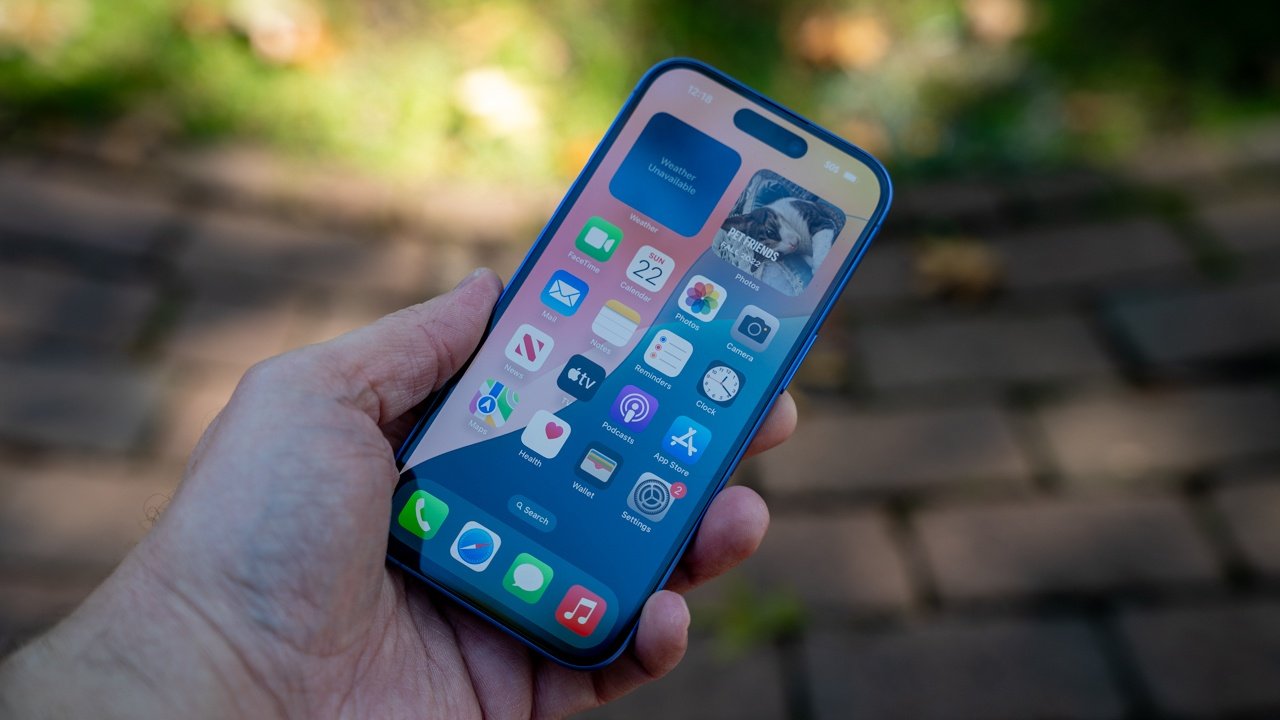
The term CDiPhone has become increasingly popular in online searches, leading many users to wonder whether it refers to a new Apple device, a software application, or a way to use compact discs with an iPhone. While the name may sound official, CDiPhone is not an Apple product or an iPhone model. Instead, it is a community-created term that generally refers to the process of transferring music from CDs to an iPhone or the broader concept of combining physical music collections with modern smartphone technology.
As streaming services continue to dominate digital entertainment, many music enthusiasts still value their CD collections for superior audio quality, permanent ownership, and offline listening. This guide explains everything you need to know about CDiPhone, including its meaning, features, benefits, practical uses, limitations, and important considerations in 2026.
What Is CDiPhone?
CDiPhone is a keyword used online to describe methods, tools, and concepts that allow users to enjoy CD music on an iPhone. Since modern iPhones do not include optical disc drives, CDs cannot be played directly on the device. Instead, users copy or “rip” music from CDs onto a computer and then transfer those digital files to an iPhone for playback.
Some websites also describe CDiPhone as a futuristic concept representing the combination of classic physical media with modern mobile technology. Regardless of the interpretation, there is no official Apple product named CDiPhone, and Apple has never announced a smartphone with built-in CD support.
Why Is CDiPhone Becoming Popular?
Interest in CDiPhone has grown because many people still own valuable CD collections containing albums that are unavailable on streaming platforms. Music collectors, audiophiles, and users who prefer owning their media rather than relying on subscriptions often search for reliable ways to preserve their collections while enjoying them on modern devices.
Another reason for its popularity is the growing concern about streaming services removing songs, changing licensing agreements, or requiring constant internet access. By transferring CD music to an iPhone, users maintain complete control over their personal music library and can listen without depending on an internet connection.
Key Features Associated with CDiPhone
Although CDiPhone is not a physical product, several features are commonly associated with the concept.
One of its biggest advantages is offline music playback. Once songs have been transferred from a CD to an iPhone, they can be played anywhere without using mobile data or Wi-Fi.
Another important feature is high-quality audio. CDs contain uncompressed digital audio, allowing users to preserve excellent sound quality when converting tracks into lossless formats such as ALAC or other high-quality file types.
CDiPhone workflows also support personal music ownership. Unlike streaming platforms that require monthly subscriptions, music copied from legally owned CDs remains permanently available in the user’s library.
Additionally, users benefit from organized music management, including album artwork, artist information, playlists, and metadata that can be edited before transferring files to an iPhone.
How Does CDiPhone Work?
The CDiPhone process is relatively straightforward. First, a computer equipped with a CD drive—or an external USB optical drive—is used to read the compact disc. Music is then extracted using compatible software and saved as digital audio files.
After the music library is organized and tagged correctly, the files are transferred to the iPhone through supported synchronization methods. Once the transfer is complete, users can listen to their music just like any other locally stored audio collection.
This process bridges the gap between traditional physical media and modern smartphones without requiring any specialized hardware beyond a CD drive.
Benefits of Using CDiPhone
One of the most significant benefits is complete ownership of music. Unlike streaming services, locally stored music cannot disappear because of licensing changes or subscription cancellations.
CDiPhone also provides reliable offline listening during travel, flights, road trips, or in areas with poor internet connectivity. This makes it especially valuable for users who frequently travel or want uninterrupted access to their favorite albums.
Many users also appreciate the improved sound quality available from properly ripped CDs. Lossless audio formats preserve much more detail than many compressed streaming options, making them appealing to listeners who use premium headphones or high-quality speakers.
Another benefit is long-term preservation. Rare albums, limited editions, live recordings, and discontinued releases can be safely archived digitally while the original CDs remain protected from wear and damage.
Limitations and Challenges
Despite its advantages, CDiPhone also has certain limitations. Since iPhones do not contain optical drives, users must first access a computer or compatible external CD drive before transferring music.
The conversion process may also take time, especially for large music collections. Proper organization of album artwork, artist names, and metadata often requires additional effort.
Storage space is another consideration. High-quality lossless audio files occupy significantly more space than compressed formats, meaning users with limited device storage may need to manage their music libraries carefully.
Additionally, users should ensure they comply with applicable copyright laws and only create personal digital copies of music they legally own.
Common Misconceptions About CDiPhone
Many online articles mistakenly describe CDiPhone as a newly released Apple smartphone or a hidden Apple feature. This is incorrect. Apple has not introduced any product officially named CDiPhone.
Another common misconception is that an iPhone can directly play CDs through a cable connection. In reality, iPhones cannot read optical discs directly. The music must first be converted into digital files using another device before it can be transferred.
Some users also believe CDiPhone is an application available for download. In most cases, the term refers to a workflow or concept rather than a dedicated software application.
Who Should Use CDiPhone?
CDiPhone is particularly useful for music collectors who own extensive CD libraries and want to preserve them for future use.
Audiophiles who prioritize sound quality often prefer listening to locally stored, lossless audio instead of relying solely on compressed streaming services.
Frequent travelers also benefit from offline playback without worrying about internet connectivity or mobile data usage.
Additionally, anyone who wants greater control over their personal music library can take advantage of the CDiPhone approach for long-term digital preservation.
Future of CDiPhone
Although physical media has declined in popularity, CDs continue to appeal to collectors and enthusiasts who value ownership, audio quality, and nostalgia. As storage capacities increase and lossless audio becomes more common on smartphones, the idea behind CDiPhone is likely to remain relevant.
Rather than representing a specific device, CDiPhone symbolizes the ongoing effort to combine the reliability of physical media with the convenience of modern smartphones. As digital music technology evolves, users will continue seeking ways to preserve personal collections while enjoying seamless mobile access.
Final Thoughts
CDiPhone is not an official Apple product but a practical concept centered on bringing classic CD music into today’s mobile ecosystem. By transferring music from compact discs to an iPhone, users can enjoy permanent ownership, high-quality audio, offline listening, and greater control over their personal music libraries.
For collectors, audiophiles, and anyone who still values physical media, the CDiPhone approach offers an effective way to preserve cherished albums while benefiting from the convenience of modern smartphones. As interest in digital ownership continues to grow, CDiPhone remains a useful solution for combining the best aspects of traditional music collections with today’s mobile technology.
