

-
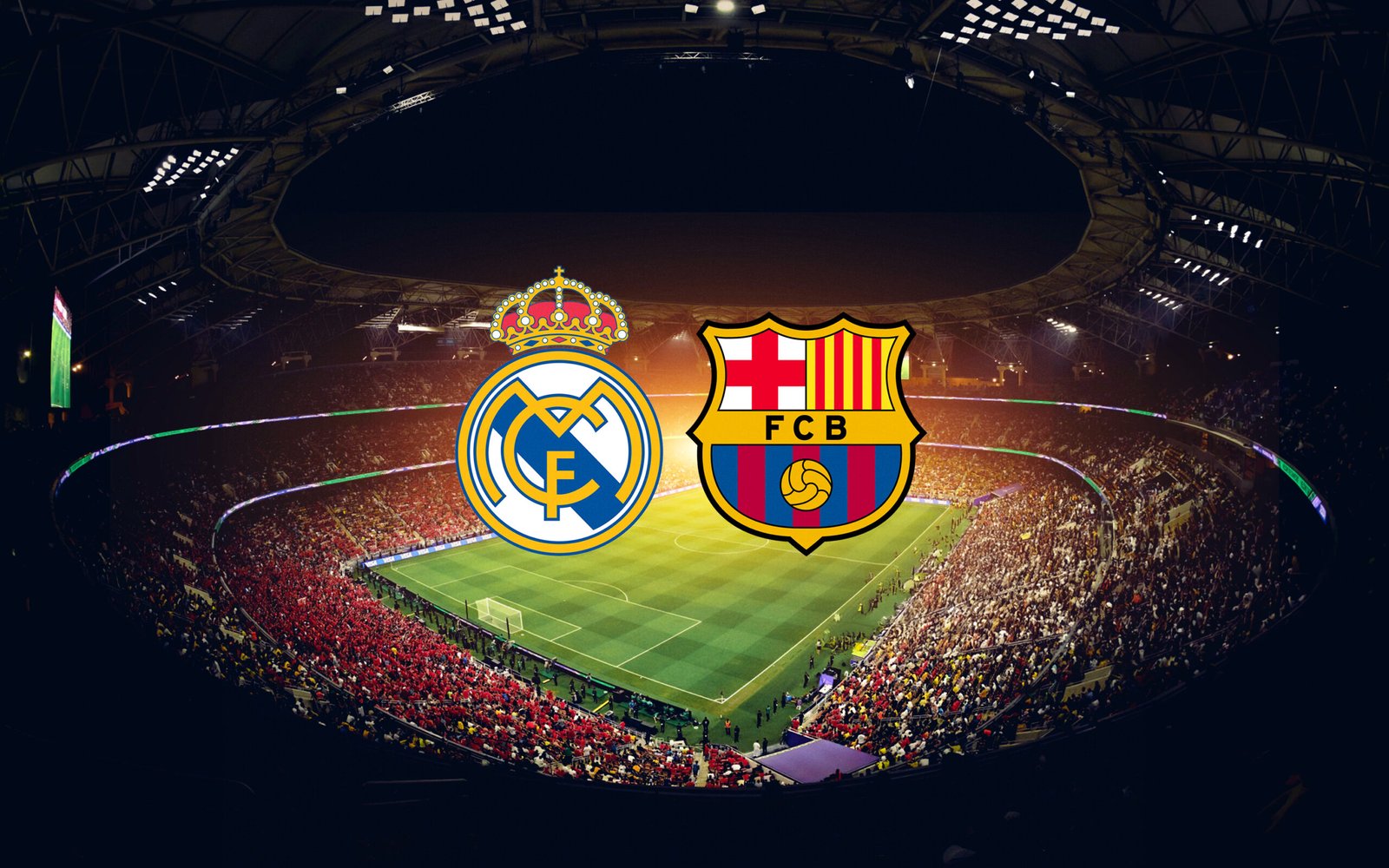
Barcelona vs Real Madrid is one of the biggest rivalries in world football, combining sporting excellence, historic competition, cultural identity, and unforgettable moments. Known as El Clásico, the fixture brings together two Spanish giants whose battles have shaped La Liga, the Copa del Rey, the Spanish Super Cup, and European football.
The central question is simple: Who has the better record in El Clásico? The answer depends on the competition and the statistic being measured, but Real Madrid has historically held a narrow advantage in the overall official head-to-head record, while Barcelona has enjoyed dominant periods of its own and has frequently challenged Madrid for supremacy in domestic competitions.
The rivalry continues to evolve with every generation of players, from legendary figures such as Lionel Messi and Cristiano Ronaldo to newer stars who are creating their own place in El Clásico history.
The History of Barcelona vs Real Madrid
The Barcelona–Real Madrid rivalry dates back to the early years of Spanish football. Their first official meeting took place in the Copa de la Coronación in 1902, a predecessor to the modern Spanish Cup, and the fixture gradually developed into one of the country’s defining sporting contests.
As both clubs grew in stature, their meetings became more significant than ordinary league matches. Barcelona came to represent Catalan identity for many supporters, while Real Madrid became closely associated with the Spanish capital and its national prominence, giving the rivalry a political and cultural dimension alongside its sporting importance.
Over the decades, both teams established periods of dominance through exceptional players, influential managers, and major trophies. From Di Stéfano’s dominant years at Real Madrid to Cruyff’s lasting legacy at Barcelona, the El Clásico rivalry has evolved through generations, yet its fierce competitive spirit has never faded.
Barcelona vs Real Madrid Head-to-Head Record
The overall head-to-head record is one of the most discussed aspects of El Clásico, although totals can vary depending on whether a source includes only official first-team matches or also counts friendlies and historical competitions.
Real Madrid has generally maintained a slight lead in official competitive meetings, with Barcelona remaining close behind. The balance has shifted repeatedly over the years, and neither club has enjoyed uninterrupted superiority throughout the rivalry’s history.
La Liga encounters are particularly important because they often influence the title race directly. However, cup matches can be equally memorable, especially when the teams meet in knockout rounds where a single result can decide who advances to the final.
Barcelona vs Real Madrid: Head-to-Head Stats
As of October 2026, Real Madrid and Barcelona have faced each other 264 times in official competitions, with each side claiming 106 victories and the remaining 52 encounters ending level.
Real Madrid
106 wins
106
Barcelona
106 wins
106
Draws
Matches without a winner
52
Official competitive meetings, including the historic 1902 Coronation Cup fixture. Records can vary by historical counting method.
The equality in wins makes this rivalry especially compelling. Neither club currently holds an advantage in the number of victories across the full official series, although Madrid retains an edge in several major competitions.
In La Liga, the most frequently played version of El Clásico, Real Madrid has recorded 80 wins compared with Barcelona’s 77, alongside 35 draws. Barcelona, however, has the stronger win total in the Copa del Rey, demonstrating how the balance changes depending on the tournament.
Barcelona vs Real Madrid Stats by Competition
The two clubs have contested El Clásico in league matches, domestic cups, Spanish Super Cup finals, and European competition. Each tournament tells a slightly different story about their rivalry.
Competition
Real Madrid wins
Barcelona wins
Draws
La Liga
80
77
35
Copa del Rey
13
17
8
UEFA Champions League
3
2
3
Spanish Super Cup
10
7
2
Historical official-match figures through May 2026. These figures cover only competitive fixtures, excluding friendly matches, while the broader head-to-head tally encompasses additional official encounters.
La Liga Records
La Liga is the foundation of El Clásico because the teams generally meet twice every season, once at each club’s home ground. These games can decide the championship, determine the direction of a title race, or provide a decisive psychological advantage late in the campaign.
Real Madrid’s narrow lead in league victories reflects its sustained competitiveness across different generations. Barcelona has also enjoyed remarkable spells of dominance, particularly during periods when its possession-based football and academy-developed talent helped it control major domestic competitions.
Copa del Rey Records
Barcelona has historically performed particularly well against Real Madrid in the Copa del Rey, with 17 victories compared with Madrid’s 13 in the competition’s El Clásico meetings.
Knockout football creates a different kind of pressure from league matches because a poor performance can end a team’s hopes of winning a trophy. Two-legged semi-finals, dramatic comebacks, and finals have helped make this competition one of the most memorable stages of the rivalry.
Champions League Records
European meetings between Barcelona and Real Madrid have been less frequent than their domestic encounters, but they carry enormous prestige. The Champions League brings together two clubs that have repeatedly competed for the highest honours in European football.
Real Madrid has the advantage in their historical Champions League head-to-head, with three wins to Barcelona’s two and three draws in eight meetings. Madrid’s broader European record is also a major part of its identity, while Barcelona’s European triumphs have helped establish its reputation as one of the continent’s elite teams.
Spanish Super Cup Records
Real Madrid has the upper hand in Spanish Super Cup encounters, with 10 wins against Barcelona’s seven, plus two draws in the historical competitive record.
The modern Super Cup has become an especially prominent setting for El Clásico, offering both teams an opportunity to start the year with silverware. The rivalry’s recent Super Cup matches have also produced high-scoring finals, making the competition an important part of its modern history.
El Clásico’s All-Time Top Goalscorers
Individual brilliance has always been central to Barcelona vs Real Madrid. Some of football’s greatest attacking talents have delivered their most unforgettable performances on this iconic stage. performances in this fixture, leaving behind records that remain difficult to surpass.
1. Lionel Messi
26 goals
Messi is the all-time leading scorer in El Clásico across official competitions. His ability to dribble through compact defences, create chances, and score in decisive moments made him one of the rivalry’s defining figures.
2. Alfredo Di Stéfano
18 goals
Di Stéfano was one of the key figures in Real Madrid’s rise to European dominance during the 1950s and 1960s. His intelligence, versatility, and influence helped establish the club’s formidable reputation.
3. Cristiano Ronaldo
18 goals
Ronaldo brought extraordinary athleticism, finishing, and competitive intensity to El Clásico. His direct rivalry with Messi became one of the defining stories of world football during their years in Spain.
4. César Rodríguez
12 goals
César was one of Barcelona’s most important forwards during the 1940s and 1950s. His goalscoring achievements remain an important part of the club’s early history.
5. Raúl González
11 goals
Raúl became a symbol of Real Madrid’s determination and consistency. As a forward and captain, he played a significant role in several important victories against Barcelona.
These figures illustrate how the rivalry has evolved from the early eras of Di Stéfano and César to the modern Messi–Ronaldo period. Messi’s 26-goal total remains the benchmark for individual scoring in official El Clásico matches.
Players With the Most El Clásico Appearances
Longevity is another measure of a player’s importance in this rivalry. While goalscorers tend to receive the most attention, defenders and midfielders often influence the outcome through their tactical discipline, leadership, and ability to perform under pressure.
Barcelona midfielder Sergio Busquets holds the record for the most appearances in official El Clásico matches, with 48. His positional intelligence and composure helped Barcelona control midfield battles against Madrid for more than a decade.
Real Madrid captain Sergio Ramos and Barcelona legend Lionel Messi are also among the most experienced players in the fixture, with 45 appearances each. Ramos was known for his defensive aggression and ability to score crucial goals, while Messi regularly shaped matches through his creativity and attacking influence.
Other legendary figures, including Xavi Hernández, Andrés Iniesta, Karim Benzema, Luka Modrić, and Iker Casillas, have also contributed to some of the rivalry’s most significant chapters.
The Most Memorable Barcelona vs Real Madrid Matches
Barcelona 5–0 Real Madrid, 2010
Barcelona’s 5–0 victory at Camp Nou in November 2010 is widely remembered as one of the finest performances of the Guardiola era. The home side controlled possession, moved the ball with exceptional precision, and repeatedly exposed Madrid’s defensive structure.
The result represented more than a heavy defeat for Madrid. It demonstrated how Barcelona’s coordinated pressing, midfield movement, and technical quality could overwhelm even a team filled with elite international players.
Real Madrid 2–6 Barcelona, 2009
Barcelona’s 6–2 victory at the Santiago Bernabéu in May 2009 remains one of the most iconic results in the rivalry. Madrid initially threatened to challenge Barcelona, but the visitors gradually took control through incisive passing and clinical finishing.
Thierry Henry, Lionel Messi, and other members of Barcelona’s attack exploited spaces in the home defence, delivering a result that became a defining moment in the club’s historic treble-winning season.
Barcelona 5–0 Real Madrid, 1994
Barcelona’s 5–0 win in January 1994 showcased the attacking brilliance of Johan Cruyff’s celebrated Dream Team. Romário was particularly influential, scoring a hat-trick in a performance that demonstrated Barcelona’s technical superiority on the day.
The match became one of the defining victories of Cruyff’s managerial period and remains a landmark result for supporters who remember the team’s distinctive style of football.
Real Madrid 11–1 Barcelona, 1943
Real Madrid’s 11–1 victory over Barcelona in the second leg of their 1943 Copa del Generalísimo semi-final is one of the most extraordinary scorelines in El Clásico history. Madrid progressed after a fiercely controversial tie, and the result remains part of the rivalry’s complex historical legacy.
The match is frequently discussed not only because of the score but also because of the political atmosphere surrounding Spanish football during that era. Its historical context makes it a very different kind of rivalry milestone from the celebrated tactical performances of more recent decades.
Barcelona vs Real Madrid: Playing Styles and Tactical Differences
Barcelona has traditionally been associated with possession-based football, positional movement, and technical control. The club’s footballing identity was strongly shaped by Johan Cruyff and later developed further under managers such as Pep Guardiola, whose teams became renowned for patient buildup, coordinated pressing, and intelligent movement between the lines.
Real Madrid has often combined technical quality with attacking directness, individual creativity, and the ability to exploit transitions. Across different eras, the club has built teams capable of absorbing pressure before striking quickly through elite forwards, while its experience in high-stakes European matches has contributed to a reputation for resilience.
These identities are broad traditions rather than fixed rules. Both clubs have adapted their tactics over time, employing different formations and approaches depending on their managers, available players, and opponents.
El Clásico is often decided by which team can impose its preferred rhythm. Barcelona may seek to control the ball and create numerical advantages in midfield, while Madrid may look for opportunities to attack open spaces, win individual duels, and turn defensive transitions into scoring chances.
Why Barcelona vs Real Madrid Is More Than Football
The rivalry has a cultural significance that extends beyond the pitch. Barcelona is closely connected to Catalan identity, language, and regional pride, while Real Madrid represents the capital and has historically enjoyed enormous national and international visibility.
These associations became particularly sensitive during Spain’s political upheavals in the twentieth century, especially under the dictatorship of Francisco Franco. The relationship between football, regional identity, and political authority contributed to the symbolism surrounding matches between the two clubs, although neither club’s supporters share a single political viewpoint.
Today, El Clásico is a global sporting event followed by fans across Europe, Asia, Africa, the Americas, and the Middle East. Its audience includes lifelong supporters, casual viewers, and people attracted by the opportunity to watch world-class players compete on one of football’s biggest stages.
Commercial influence has also expanded dramatically. Global broadcasting, sponsorships, merchandise, and international fan communities have turned Barcelona vs Real Madrid into one of the most recognisable fixtures in professional sport.
Barcelona vs Real Madrid: Who Has Won More Trophies?
Comparing the clubs’ trophy collections is more complicated than comparing their head-to-head wins because totals depend on which competitions are included. Major domestic and European titles provide the clearest comparison, while regional competitions and historical tournaments can produce different overall totals.
Real Madrid has a particularly strong record in the European Cup and UEFA Champions League, with a history of success that has made it one of the most decorated clubs in European competition. Barcelona has also won multiple Champions League titles and has enjoyed outstanding periods of domestic dominance, including seasons in which it won several major trophies at once.
In Spanish league football, both clubs have repeatedly finished at the top of the table, with their title races often decided by results in direct encounters. Their domestic cup records also underline their strengths in different formats, with Barcelona historically winning more Copa del Rey meetings between the sides and Real Madrid holding the advantage in Super Cup encounters.
Rather than declaring one club the winner in every category, the most useful comparison is to examine the specific competition, the era, and the criteria being used. Head-to-head victories, league championships, domestic cups, and European trophies measure different aspects of success.
The Modern Era of El Clásico
The rivalry has entered a new phase as younger players take on responsibilities previously carried by Messi, Ronaldo, and their contemporaries. Barcelona has increasingly relied on emerging talent alongside experienced internationals, while Real Madrid has continued to assemble a squad capable of competing for domestic and European honours.
Players such as Lamine Yamal, Raphinha, and Robert Lewandowski have become important figures for Barcelona, while Kylian Mbappé, Jude Bellingham, and Vinícius Júnior have helped define Madrid’s modern attacking threat. The exact balance changes with form, injuries, managerial decisions, and the evolution of each squad.
The latest completed meeting before October 2026 took place on 10 May 2026, when Barcelona defeated Real Madrid 2–0 in La Liga. The victory also brought Barcelona level with Madrid at 106 wins apiece in the all-time official competitive record.
The next meeting is scheduled for 25 October 2026 at Barcelona’s Camp Nou, giving the teams another opportunity to claim the outright lead in the historic win count. With the overall record level, the result will carry added significance beyond the league points at stake.
Frequently Asked Questions
Who has won more El Clásico matches?
As of October 2026, Barcelona and Real Madrid are level with 106 official competitive victories each, alongside 52 draws. The precise historical totals can vary depending on which matches and competitions are counted.
Who is the all-time top scorer in El Clásico?
Lionel Messi is the leading scorer in official El Clásico matches, with 26 goals across competitions. Cristiano Ronaldo and Alfredo Di Stéfano follow with 18 goals each.
Who has won more El Clásico matches in La Liga?
Real Madrid leads the league head-to-head with 80 victories, compared with Barcelona’s 77, and 35 draws through the end of the 2025–26 season.
What was the biggest win in El Clásico history?
Real Madrid’s 11–1 victory over Barcelona in the 1943 Copa del Generalísimo semi-final is the most commonly cited largest winning margin in the rivalry’s official competitive history.
Why is Barcelona vs Real Madrid called El Clásico?
The Spanish expression El Clásico means “the classic.” It has become the established name for the rivalry between the country’s two most prominent football clubs.
Which club has more Champions League titles?
Real Madrid has won more European Cup and Champions League titles than Barcelona. Madrid’s exceptional European record is one of the main reasons it is often regarded as the most successful club in the history of the competition.
Conclusion
Barcelona vs Real Madrid remains one of football’s most compelling rivalries because its significance extends far beyond the result of any single match. Its history combines tactical innovation, legendary goalscorers, dramatic cup ties, political and cultural symbolism, and a constant struggle for domestic and European supremacy.
The latest overall head-to-head record is perfectly balanced at 106 wins apiece, showing just how closely matched the clubs have been across more than a century of competition. Real Madrid holds the edge in La Liga and the Spanish Super Cup, while Barcelona has the stronger record in Copa del Rey meetings.
Ultimately, neither club can claim universal superiority across every measure. The rivalry’s enduring appeal comes from its changing balance of power, its extraordinary players, and the knowledge that every new El Clásico has the potential to create another moment that becomes part of football history.
Subscribe to Updates
Get the latest creative news from FooBar about art, design and business.


Previous ArticleBest Cam Sites in 2026: Reviews, Features & Comparison
