


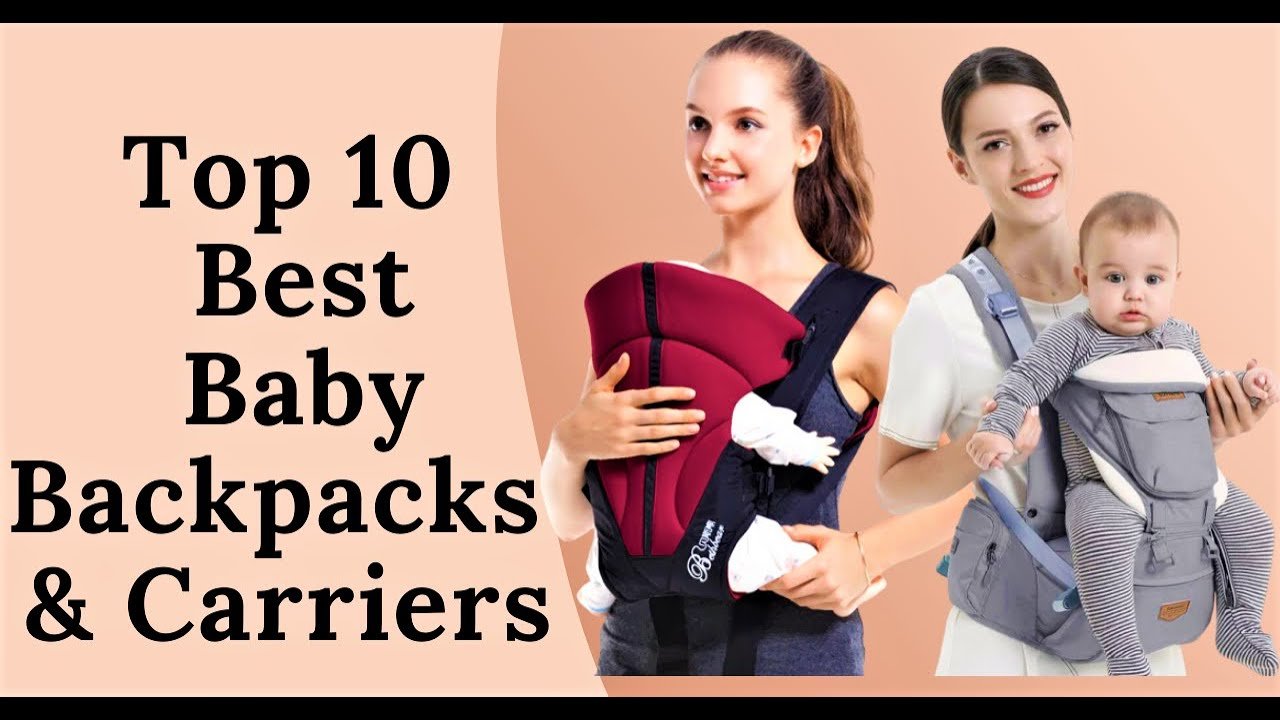
Choosing the best baby carrier in 2026 is about finding the right balance of comfort, safety, support, and everyday convenience. A good baby carrier keeps your little one close while allowing you to move freely, handle daily responsibilities, and enjoy hands-free bonding without putting unnecessary strain on your back and shoulders.
The best baby carrier depends on your baby’s age, weight, developmental stage, and your personal carrying preferences. Some carriers are ideal for newborns because they offer soft, adjustable support, while others are better suited to older babies and toddlers who need more room, stronger waist support, and multiple carrying positions.
For most parents, an adjustable ergonomic carrier with a supportive waistband, padded shoulder straps, breathable fabric, and a secure seating position is an excellent starting point. However, there is no single carrier that works perfectly for every family, so understanding the differences between popular styles can make your decision much easier.
What Makes a Baby Carrier Worth Buying in 2026?
A quality baby carrier should support your baby’s natural body position while distributing their weight comfortably across your body. It should feel secure without being overly restrictive, and adjustments should be simple enough to make when you are managing a baby on your own.
Comfort is particularly important because parents often wear carriers for extended periods. A poorly designed model can create pressure around the shoulders, lower back, and hips, especially as your baby grows.
Safety should always come before appearance or additional features. Look for a carrier that keeps your baby’s face visible, chin away from their chest, and nose and mouth unobstructed. Their back should be supported, and their hips and legs should have enough room to rest in a comfortable, natural position.
Fabric also makes a noticeable difference. Breathable cotton, lightweight mesh, and moisture-managing materials can help reduce overheating, particularly in warmer climates. Adjustable panels, secure buckles, reinforced stitching, and easy-to-follow instructions are other worthwhile features.
Top Baby Carriers to Consider in 2026
The baby carrier market offers several excellent options, ranging from premium all-in-one designs to lightweight wraps and affordable everyday carriers. The following selections cover different budgets, carrying preferences, and stages of baby development.
1. Ergobaby Omni Deluxe – Best Overall Baby Carrier

The Ergobaby Omni Deluxe is a strong overall choice for parents who want one carrier that can adapt as their baby grows. Its adjustable design supports multiple carrying positions, including front-facing inward, front-facing outward, hip, and back carrying when the child is developmentally ready.
One of its biggest advantages is its supportive waistband and padded shoulder straps, which help distribute the baby’s weight more evenly. The adjustable seat also helps maintain an ergonomic position as your little one becomes bigger and heavier.
The Omni Deluxe is particularly appealing for parents who regularly go on walks, travel, or spend extended periods carrying their babies. Its breathable fabric options and multiple adjustments make it a versatile investment, although its premium price may not suit every household.
Best for: Parents looking for a versatile carrier from infancy through toddlerhood.
2. BabyBjörn Baby Carrier Mini – Best for Newborns

The straightforward design is especially useful for first-time parents who may find traditional wraps and complicated buckle systems difficult to manage. Its compact construction also makes it convenient for short walks, household activities, and quick outings.
However, the Mini is not intended to be a long-term toddler carrier. Parents should check its current manufacturer weight and height limits before purchasing and consider a more supportive model if they expect to carry their child regularly as they grow.
Best for: New parents who want a simple, soft carrier for the newborn stage.
3. Infantino Flip 4-in-1 – Best Budget-Friendly Baby Carrier
 The Infantino Flip 4-in-1 is an appealing option for families who want useful carrying features without spending a large amount of money. Its convertible design offers different carrying positions, making it suitable for parents who want flexibility as their baby develops.
The adjustable seat and shoulder straps allow caregivers to customize the fit, while its relatively simple construction makes it approachable for everyday use. It can be particularly useful for short trips, household activities, and occasional babywearing.
Although it offers good value, its padding and overall weight distribution may not feel as comfortable as those of more expensive carriers during extended use. Parents should also pay close attention to the manufacturer’s minimum weight requirements and newborn positioning instructions.
Best for: Budget-conscious families looking for a practical everyday carrier.
4. Baby Tula Explore – Best for Multiple Carrying Positions

Its padded shoulder straps and supportive waistband help make carrying more comfortable, particularly when babies become heavier. The adjustable panel is another useful feature because it accommodates different stages of growth.
The Explore is also worth considering for parents who prefer a structured carrier rather than a traditional fabric wrap. Its main disadvantage is that the fit may require some experimentation, especially when caregivers have different body shapes.
Best for: Families who want a structured carrier with flexible carrying positions.
5. Ergobaby Embrace – Best for Everyday Newborn Comfort

Its soft material and relatively simple fastening system make it attractive for parents who want to carry their newborn around the house or during short outings. It can also be useful during the early months when babies frequently seek physical contact and reassurance.
The main limitation is its shorter useful lifespan compared with larger structured carriers. As babies become heavier and more active, parents may prefer a carrier with additional lumbar support and a higher weight capacity.
Best for: Newborns and parents who prioritize softness and simplicity.
6. LÍLLÉbaby Elevate – Best for Adjustable Support

A supportive waistband is particularly valuable when carrying a growing baby because it helps distribute weight beyond the shoulders. The additional carrying options also make this type of carrier useful for families who want something that can accommodate changing preferences.
Before purchasing, check the manufacturer’s current specifications, particularly the minimum size requirements, adjustment options, and recommended carrying positions.
Best for: Parents who prioritize adjustability and structured support.
Different Types of Baby Carriers Explained
Understanding carrier styles is just as important as comparing individual brands. A product that works beautifully for one family may feel uncomfortable or impractical for another.
Soft Structured Baby Carriers

Many models support several carrying positions and can be adjusted as babies grow. They are especially useful for parents who want something they can put on quickly without learning complicated wrapping techniques.
Baby Wrap Carriers

Wraps are particularly popular during the early months because they provide a soft, snug carrying environment. However, learning how to tie and position the fabric correctly takes practice.
Parents should follow the manufacturer’s wrapping instructions carefully and ensure that the baby’s airway remains unobstructed throughout use.
Ring Sling Carriers

Their shoulder-based design makes them particularly useful for quick trips and older babies who want to be picked up frequently. However, because the weight is concentrated more on one shoulder, they may become uncomfortable during extended use.
Hybrid Baby Carriers

This combination offers a balance between flexibility and support. It can be a good option for parents who enjoy the soft fit of a wrap but want more structure around the waist.
How to Choose the Right Baby Carrier
The best baby carrier is not necessarily the most expensive or the one with the most features. It is the one that fits your baby correctly, feels comfortable against your body, and suits the way you plan to use it.
Consider Your Baby’s Age and Weight
Newborns have different support requirements from older babies. During the early months, they need careful head, neck, and upper-body support because they have limited muscle control.
A newborn carrier should provide an appropriately close fit without forcing the baby’s legs or spine into an unnatural position. As your baby grows, an adjustable model may offer more flexibility and a longer period of use.
Always check the manufacturer’s minimum and maximum weight limits. Age recommendations alone are not enough to determine whether a carrier fits safely.
Look for Proper Hip Support
Healthy hip positioning is an important consideration when choosing a carrier. Look for a design that supports the baby’s thighs while allowing their knees to rest slightly higher than their bottom.
This is commonly described as the M-position or frog-leg position. The baby’s legs should not hang straight down with their weight concentrated around the crotch.
A properly adjustable seat can help maintain comfortable positioning as your child grows. Look for models recognized by the International Hip Dysplasia Institute where possible, while remembering that correct adjustment and use remain essential.
Prioritize Back and Shoulder Comfort
A baby carrier should support the caregiver as well as the baby. Padded shoulder straps, adjustable buckles, and a broad waistband can make a significant difference during longer carrying sessions.
The waistband should sit securely around your waist or hips according to the manufacturer’s instructions. Shoulder straps should feel snug without digging into your skin or restricting movement.
If you regularly experience discomfort while carrying your baby, try adjusting the straps and waistband before assuming the carrier itself is unsuitable.
Choose Breathable Fabric
Fabric choice is especially important in warm environments. Thick, poorly ventilated materials can make both the caregiver and baby uncomfortable, particularly during outdoor activities.
Cotton and breathable mesh are popular options because they can help improve airflow. Lightweight construction is useful for everyday use, but the material must still provide adequate support.
In hot weather, dress your baby in lightweight clothing and avoid covering their face with blankets or extra fabric.
Check Ease of Cleaning
Babies drool, spit up, and create unexpected messes, so a washable carrier is often more practical than one requiring complicated maintenance.
Look for clear washing instructions and durable stitching. Removable accessories and machine-washable fabrics can make routine cleaning easier.
Baby Carrier Safety: What Every Parent Should Know
Safety is the most important factor when using any baby carrier. Even a well-designed product can become unsafe if it is incorrectly adjusted or used in a position that does not suit the baby’s developmental stage.
One useful approach is the TICKS babywearing safety guidance, which emphasizes keeping your baby tight, in view at all times, close enough to kiss, keeping their chin off their chest, and supporting their back.
Keep Your Baby’s Airway Clear
Your baby’s face should remain visible, with their nose and mouth unobstructed. Their head should be positioned high enough for you to kiss without bending excessively.
Never allow a young baby to slump forward or curl into a position that presses their chin against their chest. This can restrict breathing, even when the baby appears to be sleeping peacefully.
Check your baby’s position regularly, especially during longer carrying sessions.
Support the Head and Neck
Newborns cannot reliably control their heads, so their carriers must provide suitable support without pushing their faces into the fabric.
Follow the manufacturer’s instructions for head-support panels and newborn adjustments. Never assume that a carrier is automatically suitable for a newborn simply because its weight limit includes small babies.
Use the Correct Carrying Position
Front-facing inward carrying is generally the preferred position for young babies because it allows close monitoring and appropriate support.
Forward-facing outward carrying should only be introduced when the baby has sufficient head and neck control and meets the carrier manufacturer’s developmental and size requirements.
Back carrying should also follow the manufacturer’s age, weight, and developmental recommendations. Parents should become confident with the carrier before attempting positions that are more difficult to monitor.
Avoid Overheating
Babies can become too warm when wearing multiple clothing layers beneath a carrier, particularly in hot weather.
Choose lightweight clothing, breathable materials, and shaded environments when possible. Watch for excessive sweating, flushed skin, unusual discomfort, or other signs of overheating.
Remember that your body heat also contributes to your baby’s overall temperature.
Be Careful Around Everyday Hazards
Hands-free carrying does not mean every activity is safe while wearing your baby. Avoid cooking over hot surfaces, handling boiling liquids, or using activities that could cause your baby to be struck or injured.
Do not use a baby carrier as a substitute for a properly installed car seat. If your baby falls asleep, monitor their airway and move them to a safe, flat sleep surface as soon as practical.
Baby Carrier Buying Guide: Which Type Is Best for Your Needs?
Different families have different priorities, so it helps to match the carrier style to your everyday routine.
|
Parent’s priority |
Recommended carrier |
|---|---|
|
Overall versatility |
Ergobaby Omni Deluxe |
|
Newborn comfort |
Ergobaby Embrace |
|
Simple newborn carrying |
BabyBjörn Mini |
|
Affordable everyday use |
Infantino Flip 4-in-1 |
|
Multiple carrying positions |
Baby Tula Explore |
|
Flexible fabric fit |
Baby wrap |
|
Quick short-distance carrying |
Ring sling |
These are starting points rather than universal rankings. Fit, availability, current manufacturer specifications, and your baby’s developmental stage should determine the final choice.
Common Baby Carrier Mistakes to Avoid
Even experienced parents can make mistakes when using baby carriers, especially when switching between different models or carrying positions.
One common mistake is purchasing a carrier based only on its advertised weight range. A baby may meet the minimum weight requirement but still be too small for the carrier to provide an appropriate fit.
Another mistake is allowing the baby’s head to fall forward or covering their face with fabric. Both situations can make it harder to maintain a clear airway.
Some parents also tighten the shoulder straps excessively in an attempt to improve support. However, an overly tight carrier can create discomfort and interfere with proper positioning.
It is equally important not to rush into outward-facing or back-carrying positions before the baby is developmentally ready. Following the manufacturer’s instructions is essential, even if a particular position looks comfortable.
Finally, avoid assuming that a carrier that fits one caregiver will automatically fit another. Different body shapes, torso lengths, and shoulder widths can affect comfort considerably.
Are Expensive Baby Carriers Worth It?
Premium baby carriers often include better padding, more adjustment options, breathable fabrics, reinforced construction, and additional carrying positions. These features can be valuable for parents who expect to use their carriers regularly over several years.
However, a higher price does not automatically mean a safer or more comfortable product. A reasonably priced carrier can work extremely well if it meets recognized safety standards, fits the baby correctly, and feels comfortable for the caregiver.
For occasional use, a simple and affordable carrier may be more than sufficient. Parents who regularly travel, walk long distances, or carry their babies for extended periods may benefit from investing in a more supportive design.
The smartest purchase is one that meets your family’s actual needs rather than one that simply offers the longest feature list.
Final Verdict: Which Is the Best Baby Carrier in 2026?
The Ergobaby Omni Deluxe is a compelling overall choice for parents who want versatility, supportive construction, and multiple carrying positions in one carrier. Its adjustable design makes it suitable for families looking for a product that can accommodate different stages of baby development.
For newborn-focused comfort, the Ergobaby Embrace and BabyBjörn Mini are worth considering. Parents working with a smaller budget may find the Infantino Flip 4-in-1 a practical alternative, while the Baby Tula Explore is another strong option for families who value multiple carrying positions.
Ultimately, the best baby carrier is one that supports your baby’s natural positioning, keeps their airway clear, and distributes weight comfortably across your body.
Take the time to check the fit, practice using the carrier before heading outdoors, and make adjustments as your baby grows. With the right choice and safe carrying habits, a baby carrier can become one of the most useful everyday essentials for modern parenting.
