


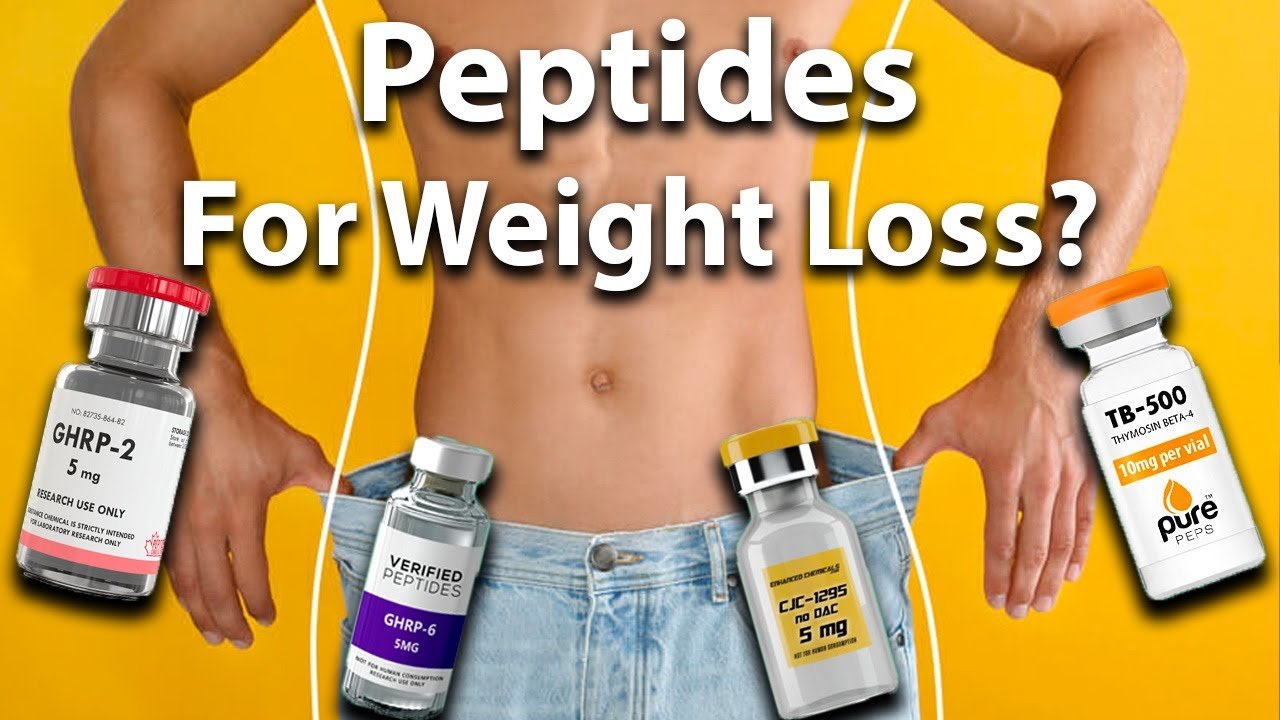
Reta peptide, commonly known as Retatrutide, is an experimental weight-loss medication that has attracted significant attention because of its impressive clinical trial results. Developed by Eli Lilly, this once-weekly injectable medication works on three different hormone receptors to help regulate appetite, blood sugar, digestion, and energy use.
Unlike traditional weight-loss treatments that target one or two hormone pathways, retatrutide activates three receptors: GLP-1, GIP, and glucagon. This triple-action mechanism may help people lose a substantial amount of body weight while improving certain metabolic health conditions.
Clinical research has demonstrated average weight reductions of up to 25% in an 80-week Phase 3 trial, with some other trial analyses reporting even greater reductions. Retatrutide remains under clinical investigation and has not yet received regulatory approval for routine medical use as of November 2026. Its long-term safety, appropriate patient selection, and potential risks are still being evaluated.
This article explains how Reta peptide works, its potential weight-loss benefits, common side effects, clinical research findings, and important safety considerations.
What Is Reta Peptide?

It belongs to a newer category of medications called triple hormone receptor agonists. These medications activate three hormone pathways involved in controlling appetite, metabolism, and blood glucose.
In clinical studies, retatrutide is delivered through a subcutaneous injection given once per week. Its main purpose is to help people with obesity or excess body weight achieve meaningful weight reduction through several interconnected biological processes.
Unlike ordinary diet supplements marketed for fat burning, retatrutide is a pharmaceutical compound undergoing extensive clinical testing. Its effectiveness and potential risks must therefore be evaluated through medical research rather than social media claims or unofficial product descriptions.
How Does Reta Peptide Support Weight Loss?
Retatrutide promotes its effects by targeting three key hormonal receptors: GLP-1, GIP, and glucagon receptors. Each pathway contributes differently to the body’s metabolic processes, creating a combined effect that researchers believe can support substantial weight reduction.

GIP receptor activation: GIP is another hormone involved in blood sugar regulation and insulin activity. Its receptor plays an important role in metabolic control and may contribute to the weight-loss effects of retatrutide.
Glucagon receptor activation: Glucagon helps regulate how the body manages stored energy. Activating its receptor may increase energy expenditure and influence how the body uses fat and other energy sources.
The combination of these three pathways is what makes retatrutide different from many existing weight-management medications. However, the precise contribution of each pathway to weight loss is still being investigated.
Benefits of Reta Peptide for Weight Loss
Retatrutide has demonstrated promising results in clinical research, particularly among adults living with obesity. Its potential benefits extend beyond changes on the weighing scale, although not every reported benefit is established for routine medical use.
1. Significant Body Weight Reduction

In the Phase 3 TRIUMPH-1 clinical trial, participants receiving the highest studied dose experienced an average weight reduction of approximately 25% after 80 weeks in the main reported analysis. Other analyses have reported larger reductions using different statistical approaches and participant populations.
These findings suggest that retatrutide could become an important treatment option for people with obesity if it eventually receives regulatory approval.
However, individual results vary according to factors such as starting body weight, treatment response, health conditions, and lifestyle.
2. Reduced Appetite and Food Cravings
One reason people struggle with weight management is persistent hunger and difficulty controlling food intake.
Retatrutide may help address this problem by influencing appetite-regulating hormones in the body. GLP-1 activity can increase fullness, while the combined hormone effects may help reduce the desire to eat frequently.
This can make it easier for participants to maintain lower food intake during treatment.
Rather than relying entirely on willpower, the medication influences biological signals involved in hunger and satiety.
3. Improved Blood Sugar Regulation
Retatrutide is also being investigated for its potential benefits in people with type 2 diabetes.
Its GLP-1 and GIP activity can influence insulin secretion, particularly when blood glucose levels are elevated. These actions may contribute to better blood glucose regulation and overall glycemic control.
Researchers are evaluating its potential as a treatment for people who have both obesity and type 2 diabetes.
Nevertheless, people with diabetes should not replace prescribed medication with an experimental peptide.
4. Potential Improvement in Metabolic Health
Excess body weight is associated with several metabolic problems, including insulin resistance, abnormal cholesterol levels, and fatty liver disease.
By supporting weight reduction and influencing metabolic hormone pathways, retatrutide may help improve certain weight-related health measurements.
Research is also investigating its potential effects on cardiovascular and kidney outcomes, although these benefits should not be assumed without completed clinical evidence.
5. Possible Benefits for Knee Osteoarthritis
An interesting area of retatrutide research involves knee osteoarthritis, a condition that can cause joint pain, stiffness, and reduced mobility.
Excess body weight places additional pressure on weight-bearing joints. Losing weight may reduce some of this mechanical stress.
In the TRIUMPH-1 trial, researchers reported improvements in knee osteoarthritis pain among participants receiving retatrutide. This finding suggests that its potential benefits may extend beyond weight management.
Reta Peptide Weight Loss Results: What Do Clinical Trials Show?

Retatrutide has progressed through Phase 3 clinical research, and its results have attracted considerable interest because of the amount of weight reduction observed among participants.
In the 80-week TRIUMPH-1 clinical trial, the mean percentage changes in body weight were as follows:
|
Treatment group |
Average weight change |
|---|---|
|
4 mg |
-17.6% |
|
9 mg |
-23.7% |
|
12 mg |
-25.0% |
|
Placebo |
-3.9% |
These results demonstrate a significant difference between the retatrutide groups and the placebo group.
The findings are particularly interesting because participants were followed over an extended period rather than being assessed after only a few weeks.
However, clinical trial results do not guarantee that every person will achieve the same outcome. The study population, treatment conditions, follow-up period, and statistical analysis all influence the reported results.
Reta Peptide Side Effects
Although retatrutide has demonstrated promising weight-loss results, it can also cause side effects. Some are similar to those associated with other medications that affect GLP-1 hormone activity.
The most frequently reported side effects in clinical studies involve the digestive system.
1. Nausea
Nausea is one of the most common reported side effects. It may occur as the body adjusts to changes in appetite regulation and stomach emptying.
Some participants experience mild nausea, while others may find it more uncomfortable.
2. Diarrhea
Changes in gastrointestinal activity can lead to loose stools or diarrhea.
Persistent diarrhea can contribute to dehydration, particularly if a person is unable to replace lost fluids.
3. Vomiting
Some participants experience vomiting during treatment. This can make eating and drinking difficult and may increase the risk of dehydration.
Repeated vomiting requires medical assessment.
4. Constipation
Retatrutide may affect digestive movement, potentially causing constipation.
This can be uncomfortable and may be accompanied by bloating or abdominal discomfort.
5. Reduced Appetite and Excessive Fullness
Although reduced appetite is one of the intended effects, some people may experience excessive fullness or difficulty eating enough food.
Maintaining adequate nutrition is important during significant weight reduction.
6. Increased Heart Rate
Changes in resting heart rate have also been observed in retatrutide research.
This is an important safety consideration, particularly for people with existing cardiovascular conditions.
7. Unusual Skin Sensations
Some participants have reported altered skin sensations, including tingling or unusual sensitivity.
These symptoms require further research to understand their frequency and clinical significance.
Serious Potential Risks of Reta Peptide
Not every possible risk is fully understood because retatrutide remains under investigation.
Some important medical concerns include gastrointestinal complications, dehydration, gallbladder problems, and possible complications associated with substantial or rapid weight reduction.
People with a history of pancreatitis, significant digestive disorders, or other serious medical conditions require particular attention when considering experimental metabolic treatments.
The safety of retatrutide during pregnancy and breastfeeding has not been established. It should not be treated as a suitable weight-loss option during these periods.
Clinical trials continue to evaluate both short-term and longer-term safety.
Is Reta Peptide FDA Approved?
Investigational medication – Not FDA approved
As of November 2026, retatrutide has not received FDA approval or general marketing authorization from other regulatory agencies.
Eli Lilly is continuing its Phase 3 research program and has indicated plans to submit an application for US approval in the first quarter of 2027.
This means retatrutide is not currently an approved prescription weight-loss medication.
Products advertised online as Reta peptide, research-grade retatrutide, or injectable weight-loss peptides should be treated with caution. Their identity, purity, concentration, storage conditions, and sterility may be uncertain.
A product labelled for research use is not automatically safe for human injection.
Reta Peptide vs Semaglutide vs Tirzepatide
Retatrutide is often compared with semaglutide and tirzepatide because all three medications influence hormone pathways associated with appetite and metabolism.
However, their mechanisms are different.
|
Feature |
Semaglutide |
Tirzepatide |
Retatrutide |
|---|---|---|---|
|
Hormone targets |
GLP-1 |
GLP-1 and GIP |
GLP-1, GIP and glucagon |
|
Medication type |
Single agonist |
Dual agonist |
Triple agonist |
|
Weight-loss potential |
Significant |
Very significant |
Promising early and Phase 3 results |
|
Weekly injection |
Yes |
Yes |
Yes in clinical trials |
|
Regulatory status |
Approved for certain uses |
Approved for certain uses |
Investigational |
Semaglutide and tirzepatide have established prescription indications for certain patients, while retatrutide remains under clinical investigation.
Its triple-action mechanism is scientifically interesting, but having more hormone targets does not automatically mean a medication is safer or more suitable for everyone.
Who Should Avoid Reta Peptide?
Because retatrutide is not approved for general medical use, there are no established routine prescribing recommendations for the public.
People who are pregnant or breastfeeding, those with significant gastrointestinal disorders, and individuals with serious medical conditions should not experiment with unapproved weight-loss peptides.
People taking diabetes medication also need medical supervision when considering treatments that affect blood glucose, because combinations can increase the risk of low blood sugar.
Anyone considering participation in a retatrutide clinical trial should discuss their medical history, existing medications, and potential risks with the trial’s healthcare team.
Is Reta Peptide Safe to Buy Online?
Buying unapproved retatrutide products online carries significant risks.
Some sellers advertise products with claims about purity, laboratory testing, or guaranteed weight loss. However, these claims do not establish that a product is authentic, sterile, or suitable for human use.
Unregulated injectable products may contain incorrect ingredients, contaminants, or inaccurate concentrations.
There is also no reliable way for consumers to establish that an online product has the same quality as the medication used in controlled clinical trials.
For these reasons, purchasing or injecting unofficial Reta peptide products is not recommended.
Frequently Asked Questions About Reta Peptide
How much weight can you lose with Reta peptide?
In the Phase 3 TRIUMPH-1 trial, participants receiving the highest studied dose experienced an average weight reduction of approximately 25% after 80 weeks in the reported treatment-regimen analysis. Individual results can differ substantially.
Is Reta peptide better than Ozempic?
Retatrutide has shown promising weight-loss results in clinical research, but it has not been directly established as superior to semaglutide through a completed head-to-head trial suitable for that conclusion. The medications also have different mechanisms and regulatory statuses.
How long does Reta peptide take to work?
Clinical studies have evaluated retatrutide over extended periods, including 80-week treatment periods. Weight reduction develops over time, and there is no established approved treatment schedule for the general public.
Does Reta peptide burn belly fat?
Retatrutide may reduce overall body weight and body fat. However, it does not selectively target belly fat. Changes in abdominal fat generally occur as part of broader weight reduction.
Can Reta peptide cause muscle loss?
Significant weight reduction can involve losses of both fat and lean body mass. Retatrutide research continues to examine changes in body composition. Adequate nutrition and appropriate resistance exercise are important considerations during weight management.
Is Reta peptide available in Pakistan?
Retatrutide is not an approved, generally available prescription medication as of November 2026. Products advertised by unofficial Pakistani sellers should not be assumed to contain authentic or safe retatrutide.
Is Reta peptide a steroid?
No. Retatrutide is a synthetic peptide-based hormone receptor agonist, not an anabolic steroid.
Final Thoughts: Is Reta Peptide Worth the Attention?
Retatrutide is one of the most interesting experimental developments in obesity treatment. Its ability to activate GLP-1, GIP, and glucagon receptors has produced encouraging clinical trial results, including substantial average weight reduction over an 80-week period.
Its potential benefits include appetite regulation, improved blood sugar control, significant weight reduction, and possible improvements in certain weight-related health conditions.
However, its impressive research results should not overshadow the importance of safety. Nausea, diarrhea, vomiting, constipation, and changes in heart rate are among the concerns identified in clinical studies, while its longer-term safety profile is still being evaluated.
The most important point is that Reta peptide is not yet an approved weight-loss medication. Anyone interested in this treatment should wait for regulatory review and reliable medical guidance rather than purchasing experimental injections from unverified online sellers.
Retatrutide may eventually become an important option in obesity medicine, but its ultimate place in treatment will depend on the complete clinical evidence and regulatory approval.
