


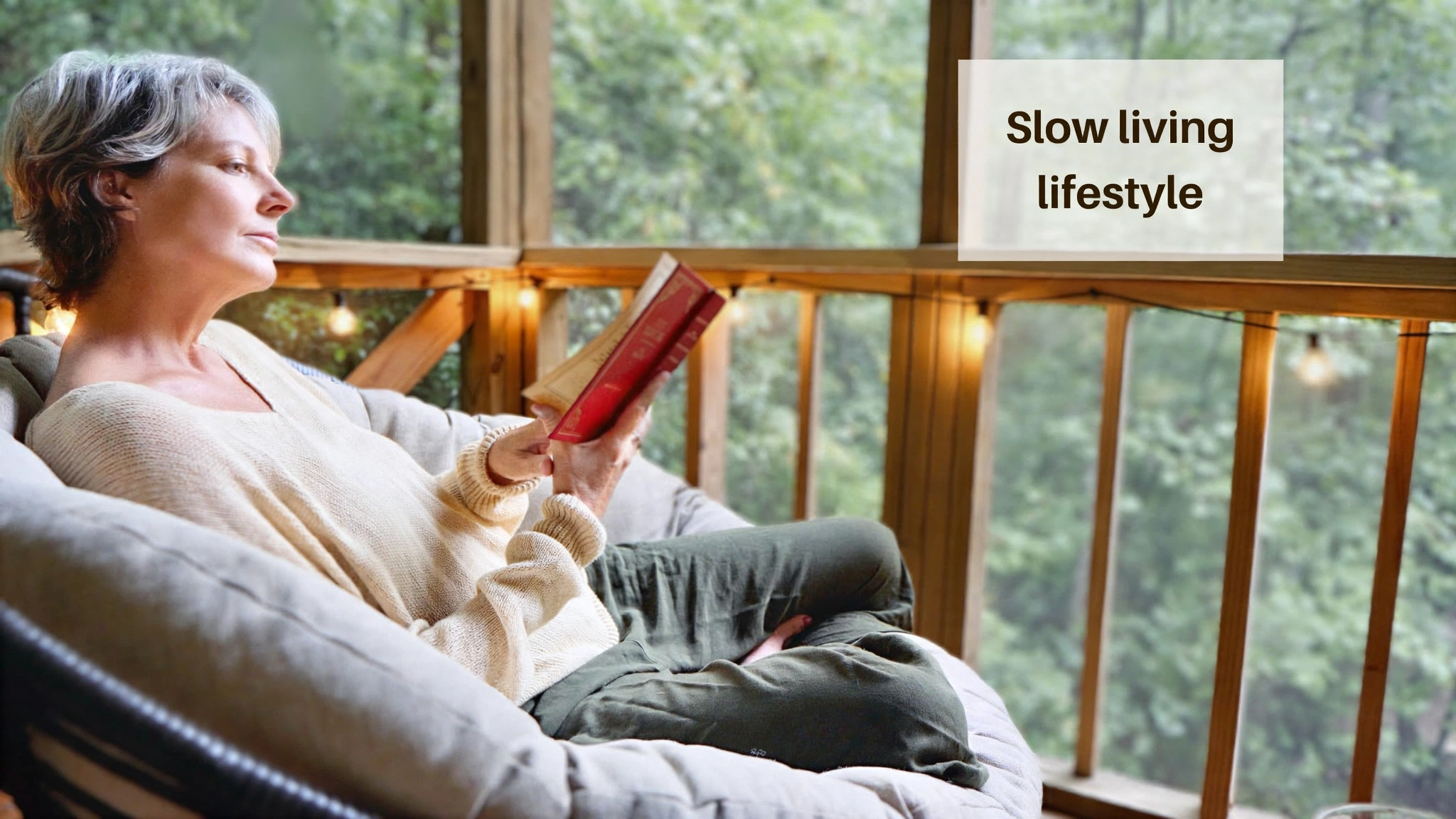
The slow living lifestyle in 2026 is about living more intentionally, reducing unnecessary stress, and making time for the things that genuinely matter. Instead of constantly rushing between work, social media, responsibilities, and personal goals, slow living encourages people to enjoy everyday experiences, build healthier routines, and create a better balance between productivity and personal well-being.
Slow living does not mean being lazy, avoiding responsibilities, or giving up your ambitions. It means choosing a more thoughtful pace of life, focusing on quality rather than quantity, and spending your time and energy with greater purpose.
In 2026, this lifestyle has become an increasingly visible topic in conversations about wellness, mental health, digital habits, minimalism, and sustainable living. More people are questioning the pressure to remain busy all the time and exploring ways to make everyday life feel less overwhelming.
Whether you work full-time, study, manage a household, or run a business, you can adopt slow living without making dramatic changes to your lifestyle. Here is everything you need to understand about its meaning, benefits, principles, and practical habits.
What Is Slow Living?

It focuses on enjoying the present instead of constantly worrying about the next task, deadline, or responsibility. Rather than filling every available hour with activities, people practising slow living make deliberate decisions about how they spend their time.
For example, instead of eating breakfast while checking emails and scrolling through social media, you might sit comfortably, enjoy your meal, and give yourself a few quiet minutes before starting work.
Similarly, instead of spending an entire weekend trying to complete dozens of tasks, you might prioritise important responsibilities while leaving time for family, hobbies, relaxation, and outdoor activities.
The central idea is simple: life should not become a continuous race toward the next achievement.
Slow living encourages a healthier relationship with time, work, technology, money, relationships, and personal expectations.
Why Is Slow Living Trending in 2026?


Smartphones, social media notifications, demanding work schedules, online shopping, and the pressure to remain productive can make it difficult to enjoy uninterrupted personal time.
Many people feel that even when they are physically resting, their minds are still occupied with unfinished tasks, messages, and responsibilities.
This is one reason slow living continues to attract attention in 2026.
People are becoming more interested in meaningful experiences, offline hobbies, mindful routines, simple home environments, and healthier digital boundaries.
The growing conversation around slow living also reflects a wider interest in moving away from hustle culture. Instead of measuring success only through income, career achievements, or productivity, people are giving more attention to health, relationships, emotional well-being, and personal satisfaction.
However, slow living is not a completely new concept. Its modern roots are closely connected to the Slow Food movement, which began in Italy in 1986 as a response to the expansion of fast-food culture.
Over time, the philosophy expanded into areas such as slow travel, slow fashion, mindful consumption, and intentional living.
10 Main Principles of the Slow Living Lifestyle
1. Choose Quality Over Quantity

This applies to almost every part of everyday life, including clothing, food, relationships, entertainment, and personal commitments.
Instead of purchasing large amounts of inexpensive clothing, you might choose fewer pieces that are comfortable, durable, and suitable for your needs.
Likewise, instead of maintaining dozens of social connections without meaningful interaction, you can spend more time developing relationships with people who genuinely matter to you.
The goal is not necessarily to own less or do less. It is to make more thoughtful decisions about what deserves your attention.
2. Practise Mindfulness Every Day

Slow living incorporates mindfulness into ordinary activities.
You can practise it while drinking tea, preparing breakfast, walking outside, cleaning your home, or spending time with family.
For example, when taking a morning walk, notice the surrounding environment, fresh air, sounds, and natural light instead of constantly checking your phone.
These small moments can help you become more aware of your surroundings and develop a calmer relationship with everyday experiences.
3. Reduce Screen Time and Digital Distractions

Slow living encourages people to use digital devices more intentionally rather than allowing notifications and social media to control their schedules.
You do not need to delete every application or stop using the internet. Instead, establish simple boundaries that protect your personal time.
For example, avoid checking social media immediately after waking up, turn off unnecessary notifications, and keep your phone away during meals.
Creating screen-free periods can also make it easier to enjoy reading, hobbies, exercise, and conversations without interruptions.
4. Enjoy Simple Daily Routines

A peaceful morning, a home-cooked meal, a clean bedroom, or a conversation with someone you love can become meaningful parts of your daily routine.
You might begin your morning by opening the windows, drinking water, preparing breakfast, and spending a few minutes reading.
These habits do not require expensive products or complicated schedules. Their value comes from the attention and appreciation you give them.
5. Spend More Time in Nature

Walking in a park, sitting beneath a tree, gardening, or spending time near water can help create a sense of relaxation.
You do not need to live in the countryside to enjoy this principle.
Even a short walk around your neighbourhood or a few minutes caring for household plants can introduce more natural experiences into your routine.
6. Cook More Meals at Home

Preparing meals using fresh ingredients can help you develop healthier eating habits while reducing dependence on frequently purchased convenience foods.
You can make simple meals such as vegetable soups, rice dishes, salads, homemade sandwiches, and traditional family recipes.
Cooking also creates opportunities to spend meaningful time with family members.
The purpose is not to prepare complicated meals every day. Even making one meal without rushing can become a valuable daily ritual.
7. Create a Healthy Work-Life Balance

Instead, it encourages a more sustainable relationship with work.
People can begin by setting realistic priorities, taking regular breaks, avoiding unnecessary overtime, and protecting personal time whenever possible.
Working with greater focus can also reduce the feeling of being constantly busy without making meaningful progress.
The objective is to create a routine in which career development and personal well-being can exist together.
8. Spend More Time With Family and Friends

Slow living encourages people to spend more time with family members and friends instead of allowing everyday distractions to replace personal connections.
Sharing meals, visiting relatives, enjoying conversations, and participating in simple activities together can strengthen relationships.
Even a short period of uninterrupted attention can make a difference.
The focus should be on meaningful interaction rather than simply spending more hours in the same room.
9. Practise Mindful Spending

Online shopping, advertising, and social media trends can create pressure to purchase products that are not genuinely necessary.
Mindful spending means considering whether a purchase provides lasting value before spending money.
You might prioritise durable clothing, useful household items, experiences, and products that support your actual needs.
This approach can help reduce unnecessary consumption and encourage a more organised financial lifestyle.
10. Make Time for Rest Without Feeling Guilty

Slow living encourages people to recognise when they need a break and make room for relaxation.
Reading, listening to music, taking a peaceful walk, enjoying a quiet afternoon, or simply sitting without doing anything productive can become valuable parts of the day.
Rest should not become another task to complete perfectly. It should provide genuine time to recover physically and mentally.
Benefits of Slow Living Lifestyle

Reduced Everyday Stress
Constant rushing and excessive commitments can make daily life feel overwhelming.
Creating more space between activities and setting realistic expectations may help reduce unnecessary pressure.
Slow living encourages people to focus on manageable priorities rather than trying to accomplish everything simultaneously.
Better Mental Well-Being
Mindful activities, meaningful social interaction, and regular periods of rest can support emotional well-being.
Taking breaks from constant digital stimulation may also help some people feel less distracted and more connected to their surroundings.
Slow living is not a treatment for mental health conditions, but it can complement appropriate professional care and healthy lifestyle practices.
Improved Sleep Habits
A calmer evening routine can support better sleep.
Reducing late-night screen use, maintaining consistent sleeping hours, and avoiding unnecessary work before bedtime may help establish healthier sleep patterns.
Stronger Personal Relationships
Giving people your full attention can improve the quality of everyday communication.
Slow living encourages meaningful conversations and shared experiences rather than allowing phones, work, and other distractions to dominate family time.
Greater Appreciation of Everyday Life
One of the most noticeable benefits is learning to appreciate ordinary experiences.
Instead of constantly waiting for holidays, expensive purchases, or major achievements, you begin recognising the value of simple moments.
Slow Living vs. Hustle Culture
Slow living and hustle culture represent different approaches to time, productivity, and personal success.
Hustle culture often emphasises constant activity, career growth, competition, and achieving as much as possible.
Slow living places greater emphasis on intentional decisions, sustainable routines, and personal well-being.
|
Slow Living |
Hustle Culture |
|---|---|
|
Quality over quantity |
Quantity over quality |
|
Intentional work |
Constant activity |
|
Regular rest |
Rest often postponed |
|
Meaningful relationships |
Productivity-focused schedules |
|
Mindful spending |
Consumption and achievement pressure |
|
Sustainable routines |
Continuous performance expectations |
|
Personal balance |
Constant availability |
However, these approaches are not necessarily complete opposites.
You can have ambitious career goals while still protecting your health, relationships, and personal time. Slow living is about changing your relationship with productivity, not giving up on success.
How to Start a Slow Living Lifestyle in 2026


The most practical approach is to introduce a few manageable habits and gradually make them part of your everyday routine.
Begin by choosing one morning activity that allows you to start the day without immediately checking your phone. Even ten minutes of quiet time can create a more intentional beginning.
Next, simplify your schedule by identifying unnecessary commitments. You do not need to accept every invitation, respond to every message immediately, or fill every free hour with another activity.
Try to include one activity each day that you genuinely enjoy, whether that means reading, cooking, walking, gardening, drawing, or spending time with family.
It is also helpful to establish a regular bedtime routine. Reducing unnecessary screen use before sleeping and allowing yourself enough time to rest can support a healthier daily rhythm.
Most importantly, avoid turning slow living into another productivity challenge. You do not need to follow every recommendation perfectly. The purpose is to create a lifestyle that feels more meaningful and sustainable.
A Simple Slow Living Daily Routine
Here is an example of how you can introduce slow living into an ordinary day without giving up work, education, or family responsibilities.
|
Time |
Daily activity |
|---|---|
|
7:00 AM |
Wake up, drink water, and enjoy a quiet morning |
|
7:30 AM |
Prepare breakfast without rushing |
|
8:00 AM |
Light exercise or a short walk |
|
9:00 AM |
Begin work or study |
|
11:00 AM |
Take a short break |
|
1:00 PM |
Enjoy lunch away from screens |
|
2:00 PM |
Continue important work |
|
5:00 PM |
Finish work and disconnect |
|
5:30 PM |
Walk, garden, or enjoy a hobby |
|
7:00 PM |
Prepare and enjoy dinner |
|
8:00 PM |
Spend time with family or friends |
|
9:00 PM |
Read, journal, or relax |
|
10:00 PM |
Prepare for sleep |
This schedule is only an example. You can adjust it according to your working hours, family commitments, personal responsibilities, and sleeping habits.
Slow Living Home Ideas for 2026


Slow living home design focuses on comfort, simplicity, functionality, and a connection with natural materials.
Natural lighting, comfortable furniture, indoor plants, warm colours, and organised spaces can help create a more relaxing atmosphere.
You do not need to redesign your entire home to achieve this feeling. Small changes, such as organising your bedroom, creating a comfortable reading corner, or removing unnecessary clutter, can make everyday spaces more enjoyable.
Choose household items based on usefulness and personal preference rather than following every interior design trend.
A peaceful home should reflect the people who live in it, not an unrealistic social media image.
Slow Living Lifestyle on a Budget
One common misconception is that slow living is only possible for people who have considerable money, flexible working hours, or large homes.
In reality, many of its most useful practices cost nothing.
You can enjoy a quiet morning without purchasing expensive coffee, read books from a public library, walk around your neighbourhood, prepare meals using ingredients you already have, or spend time with family without planning an expensive outing.
Slow living is primarily about how you use your time and attention, not how much money you spend.
For people managing demanding jobs or financial responsibilities, the most realistic approach is to begin with small changes rather than trying to recreate an idealised lifestyle.
Is Slow Living the Same as Minimalism?
No. Although slow living and minimalism share several ideas, they are not identical.
Minimalism mainly focuses on reducing unnecessary possessions and simplifying material surroundings. Slow living focuses more broadly on the way people use their time, energy, and attention.
For example, someone can own a beautifully decorated home filled with personal belongings and still practise slow living by maintaining a thoughtful schedule and enjoying everyday activities.
Similarly, someone can own very few possessions but remain constantly busy, distracted, and stressed.
Both lifestyles encourage more intentional choices, but they address different aspects of modern life.
Is Slow Living Realistic for Busy People?
Yes. Slow living can fit into almost any lifestyle, including full-time employment, education, parenting, and business responsibilities.
The key is understanding that slowing down does not mean reducing every activity or eliminating important responsibilities.
A busy professional might practise slow living by eating lunch without checking emails, taking a proper break between meetings, and avoiding work notifications during family time.
A student might create focused study sessions instead of switching continuously between social media and coursework.
Parents might establish a daily screen-free period to spend meaningful time with their children.
These small decisions can gradually change how a person experiences an otherwise busy day.
Frequently Asked Questions About Slow Living in 2026
What does slow living mean in simple words?
Slow living means enjoying life with greater awareness and intention. It encourages people to focus on meaningful activities, avoid unnecessary rushing, and appreciate everyday experiences.
Is slow living a trend in 2026?
Yes, slow living continues to receive attention in 2026 through conversations about wellness, digital detoxes, mindfulness, sustainable consumption, and work-life balance. However, the underlying philosophy has existed for decades.
Does slow living mean being lazy?
No. Slow living does not mean avoiding responsibilities or refusing to work. It means approaching important activities thoughtfully and creating a sustainable balance between productivity and rest.
How can I start slow living with no money?
Start with free activities such as walking, reading, cooking at home, spending time with family, reducing screen time, and enjoying quiet moments. You do not need expensive products or special equipment.
Can slow living improve mental health?
Mindfulness, relaxation, regular routines, and meaningful relationships can support mental well-being. However, slow living is not a substitute for professional treatment when someone experiences a mental health condition.
What is the difference between slow living and soft living?
Slow living focuses on intentional choices, presence, and a more thoughtful pace of life. Soft living generally emphasises comfort, reduced pressure, emotional well-being, and creating a lifestyle with fewer unnecessary struggles.
Can I practise slow living while working full-time?
Absolutely. You can start by protecting your lunch break, setting boundaries around work notifications, taking short walks, and creating a relaxing evening routine.
Final Thoughts: Is Slow Living Worth Trying in 2026?
Slow living offers a different perspective on what it means to have a successful and satisfying life. Instead of measuring every day through productivity, financial achievements, or completed tasks, it encourages people to recognise the importance of health, relationships, meaningful experiences, and personal time.
You do not have to abandon your career, move somewhere peaceful, or change your entire routine to experience its benefits.
Start with a few simple habits, such as enjoying breakfast without your phone, taking a daily walk, spending more time with loved ones, and allowing yourself to rest without guilt.
Ultimately, slow living is not about making life move slowly; it is about making sure you are actually present while living it.
The goal in 2026 is not to do everything at a slower speed. It is to make more intentional choices, protect your attention, and build a daily routine that supports the life you genuinely want.
