


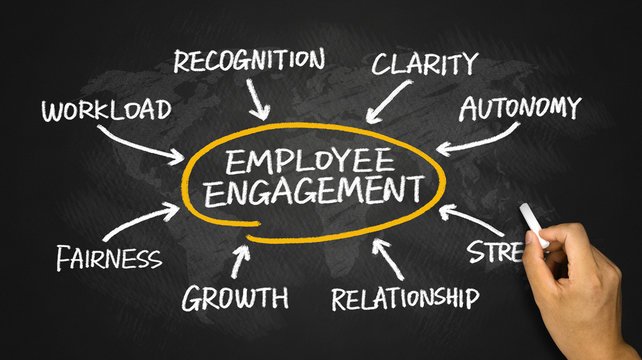
Employee engagement has become one of the most important priorities for modern organizations. In simple terms, it refers to the emotional commitment and involvement an employee has toward their workplace, goals, and responsibilities.
Engaged employees do more than just complete tasks. They contribute ideas, show initiative, and actively support the organization’s success. This makes employee engagement a key driver of productivity, retention, and overall business performance.
In today’s competitive work environment, companies that fail to prioritize engagement often struggle with low morale, higher turnover, and reduced efficiency.
What Is Employee Engagement?
Employee engagement refers to how strongly an employee feels connected, motivated, and committed to their role and the organization they work for. It goes beyond job satisfaction, which only measures how content someone is at work.
Engaged employees care about their organization’s overall success and find meaning in the work they perform. They are often willing to contribute beyond their regular responsibilities and take extra initiative when needed.
Engagement is influenced by several factors, including leadership quality, workplace culture, communication, recognition, and growth opportunities.
Why Employee Engagement Matters
Employee engagement directly impacts organizational success in measurable ways.
Engaged employees are often more productive, contribute fresh ideas, and show stronger dedication to helping their organization accomplish its objectives. This leads to better customer service, higher-quality work, and stronger business outcomes.
Engagement also reduces absenteeism. Employees who feel valued and connected to their work are less likely to take unnecessary time off or disengage mentally while on the job.
Most importantly, engagement helps reduce turnover. Retaining skilled employees saves companies significant costs related to hiring and training new staff.
Key Benefits of Employee Engagement
One of the biggest benefits of employee engagement is increased productivity. Engaged employees are naturally more focused and motivated, which improves efficiency across teams.
Another major benefit is improved employee retention. When people feel appreciated and supported, they are more likely to stay with the organization long term.
Strong employee engagement can also contribute to higher levels of customer satisfaction. Employees who feel positive about their work tend to deliver better service and create stronger customer relationships.
Additionally, engaged workplaces often experience stronger innovation. When employees feel secure and supported in their workplace, they are more willing to share ideas and take part in meaningful improvements.
Common Causes of Low Employee Engagement
Low engagement often develops when employees feel disconnected from leadership or unclear about their role.
Ineffective communication is often one of the primary reasons for this problem. When employees do not understand company goals or expectations, motivation tends to decline.
Lack of recognition is another major factor. Employees who feel their efforts go unnoticed may become disengaged over time.
Limited career growth opportunities can also reduce engagement. Without a clear path for advancement, employees may lose interest in long-term commitment.
Effective Employee Engagement Strategies
Strong leadership is the foundation of employee engagement. Managers who communicate clearly, provide feedback, and support their teams tend to build more engaged workplaces.
Regular recognition is also essential. Simple actions like acknowledging achievements or celebrating milestones can significantly boost morale.
Companies should also invest in employee development. Training programs, mentorship opportunities, and skill-building workshops help employees feel valued and invested in.
Encouraging open communication is another effective strategy. Employees should feel comfortable sharing ideas, feedback, and concerns without fear of negative consequences.
Role of Workplace Culture in Engagement
Workplace culture plays a major role in shaping employee engagement. A positive culture promotes trust, collaboration, and mutual respect among employees.
When organizations create an environment where employees feel safe and supported, engagement naturally increases. Culture also influences how employees interact with leadership and each other.
A strong culture aligns company values with employee expectations, making work feel more meaningful and connected to a larger purpose.
Best Practices for Improving Engagement
Regular employee surveys are among the most useful engagement practices because they give organizations valuable insight into employee needs, concerns, and workplace experiences. They can also reveal specific areas where improvements are needed.
Another best practice is setting clear goals and expectations. Employees are more likely to perform effectively when they have a clear understanding of their responsibilities, expectations, and the standards used to evaluate their success.
Providing flexible work arrangements can also improve engagement. Flexible work arrangements can help employees achieve a healthier work-life balance, which may contribute to greater job satisfaction and stronger motivation.
Additionally, organizations should focus on building trust through transparency. When leaders communicate openly about important decisions and workplace challenges, employees are more likely to feel respected, involved, and appreciated.
Measuring Employee Engagement
Measuring engagement helps organizations track progress and identify issues early.
Common methods include employee surveys, performance reviews, and feedback sessions. These tools help organizations gain a clearer understanding of employees’ experiences and attitudes toward their workplace environment.
Some companies also use engagement scores or indices to quantify levels of motivation and satisfaction across teams.
Regular measurement ensures that engagement strategies remain effective and aligned with organizational goals.
Challenges in Employee Engagement
Despite its importance, improving employee engagement can be challenging.
One major challenge is resistance to change. Employees or managers may be hesitant to adopt new practices or communication styles.
Another challenge is inconsistency. Engagement efforts must be sustained over time; short-term initiatives often fail to produce lasting results.
Remote and hybrid work environments can also make engagement more difficult due to reduced face-to-face interaction.
Future of Employee Engagement
The future of employee engagement is increasingly shaped by technology and flexibility.
Artificial intelligence and analytics tools are helping companies better understand employee behavior and predict engagement trends.
Hybrid work models are also becoming more common, requiring organizations to rethink how they maintain connection and collaboration across distributed teams.
As workplaces continue to evolve, engagement strategies will need to become more personalized and data-driven.
Conclusion
Employee engagement plays a vital role in supporting an organization’s overall success and long-term performance. It influences productivity, retention, innovation, and overall workplace satisfaction.
Companies that invest in engagement strategies—such as strong leadership, recognition programs, and open communication—are more likely to build motivated and high-performing teams.
In a competitive global economy, employee engagement is no longer optional. It is a strategic necessity for long-term growth and stability.
