


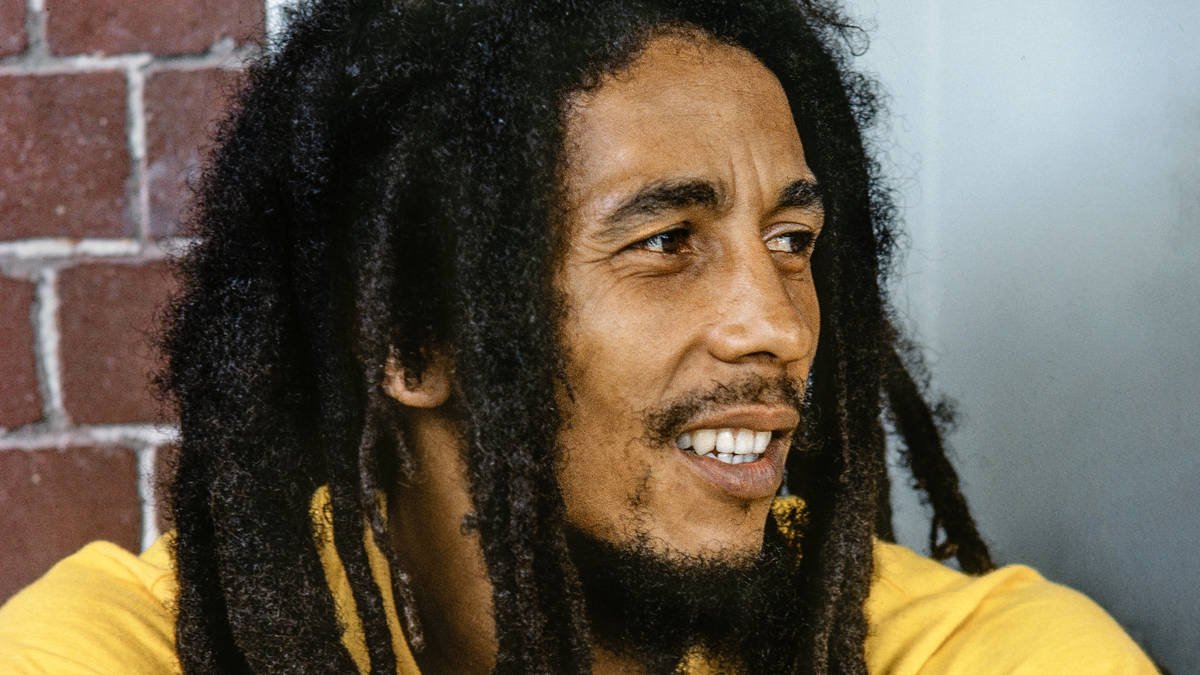
Bob Marley remains one of the most influential musicians in modern music history. Known for bringing reggae to a worldwide audience, Marley combined music with messages about peace, justice, freedom, spirituality, and social change.
Although his life ended at a young age, his cultural influence continued to grow after his death. The official Bob Marley biography records that he was born Robert Nesta Marley on February 6, 1945, in Nine Miles, Jamaica, and died on May 11, 1981, in Miami, Florida, at the age of 36.
Bob Marley Death Date and Age
Bob Marley died on May 11, 1981, at the age of 36. His death came after several years of battling cancer that had spread throughout his body.
According to his official biography, Marley had been diagnosed with cancer after an injury to his toe in 1977. The disease eventually metastasized, and despite treatment, his condition became increasingly serious.
His final months were marked by continued efforts to receive treatment while his health deteriorated. He had been receiving treatment in Germany before beginning his journey back toward Jamaica, but he became critically ill and died in a Miami hospital.
What Was Bob Marley’s Cause of Death?
Bob Marley’s cause of death was cancer, which had spread throughout his body. His official biography explains that cancer was discovered after a football-related injury revealed a problem in his toe in 1977.
Rather than undergoing amputation, Marley pursued treatment while continuing his music career. The disease later spread beyond its original location, eventually becoming terminal.
Marley’s illness did not immediately end his career. He continued recording and performing, including his Uprising Tour in 1980, even while seriously ill.
His final concert took place at the Stanley Theater in Pittsburgh on September 23, 1980. The official Bob Marley site identifies this as the final concert of his career.
Bob Marley Early Life and Childhood
Bob Marley was born Robert Nesta Marley on February 6, 1945, in the rural Jamaican community of Nine Miles, in Saint Ann Parish.
His mother was Cedella Marley, while his father was Norval Marley. Bob’s childhood was shaped by the culture and traditions of rural Jamaica, experiences that later influenced his songwriting and worldview.
When Marley was young, his family circumstances changed, and he eventually spent time in Kingston. He later became closely associated with Trench Town, a Kingston community that played an important role in his musical development.
The environment was difficult, but it also exposed Marley to a rich mixture of music and culture. His experiences in Trench Town later became part of the inspiration behind songs such as “Trench Town Rock” and “No Woman, No Cry.”
How Bob Marley Started His Music Career
Marley began pursuing music seriously as a teenager. In the early 1960s, he recorded some of his first singles and began developing relationships with important figures in Jamaica’s emerging music industry.
In 1963, Marley, Bunny Wailer, and Peter Tosh became the central members of the group that would eventually become known as The Wailers. Their early recordings helped establish them within Jamaica’s developing ska and reggae scene.
The group achieved early success with songs such as “Simmer Down.” Over time, their music evolved alongside Jamaican popular music, moving from ska toward rocksteady and eventually reggae.
Marley’s distinctive voice, songwriting, and growing commitment to social and spiritual themes helped set him apart from many of his contemporaries.
Bob Marley and The Wailers
The Wailers became one of the most important groups in Jamaican music. Although the group’s lineup changed over the years, Marley increasingly became its central international figure.
Their music eventually reached audiences far beyond Jamaica, particularly after Marley signed with Island Records and began releasing albums for an international audience.
Albums such as Catch a Fire, Burnin’, Rastaman Vibration, Exodus, Kaya, and Uprising helped establish Marley as one of reggae’s most recognizable artists.
His songs addressed themes ranging from love and spirituality to poverty, political conflict, racism, liberation, and human rights. This combination of accessible music and serious subject matter became an important part of his international appeal.
Bob Marley and Rastafarianism
Rastafarian beliefs had a major influence on Marley’s identity and music. His lyrics frequently incorporated spiritual ideas, references to Jah, African history, liberation, and resistance to oppression.
His connection with Rastafarianism was not simply a musical image. It became an important part of his worldview and contributed to the distinctive spiritual character of many of his recordings.
Through his international popularity, Marley also helped introduce aspects of Jamaican culture and Rastafarian thought to audiences around the world.
Bob Marley’s Major Songs
Bob Marley recorded numerous songs that remain internationally recognized decades after his death. Among his best-known tracks are “One Love,” “No Woman, No Cry,” “Redemption Song,” “Three Little Birds,” “Exodus,” “Get Up, Stand Up,” “Is This Love,” “Could You Be Loved,” and “Jamming.”
His official music catalog continues to receive new releases, reissues, live recordings, and other projects. The official Bob Marley website lists releases connected with albums including Exodus and Uprising, demonstrating the continuing interest in his recorded work.
One of his most significant albums was Exodus, released in 1977. The album became an important milestone in his international career and was later recognized by Time magazine as the album of the century, according to Marley’s official biography.
Bob Marley’s Final Years
The late 1970s were a period of both enormous professional success and serious personal challenges for Marley. His international popularity was growing, while political tensions in Jamaica also affected his life.
In December 1976, Marley survived an assassination attempt at his Kingston home shortly before the planned Smile Jamaica concert. He suffered minor gunshot wounds but still performed at the concert.
After spending time in London, Marley returned to international touring and continued producing influential music. His 1980 Uprising Tour became his final major tour.
The tour included performances across Europe and the United States. His last concert took place in Pittsburgh on September 23, 1980, after which his health continued to decline.
Bob Marley’s Death in 1981
After receiving treatment in Germany, Marley began traveling back toward Jamaica in 1981. His condition worsened during the journey, and he was taken to a hospital in Miami.
He died there on May 11, 1981, aged 36. His death marked the end of a relatively short but extraordinarily influential musical career.
Marley was later given an official Jamaican state funeral. His remains were ultimately laid to rest in a mausoleum in Nine Miles, the Jamaican community where he was born.
Bob Marley’s Legacy After Death
Bob Marley’s influence expanded significantly after his death. His music continued to reach new generations, while his songs became closely associated with peace, unity, freedom, and resistance to oppression.
He was posthumously inducted into the Rock and Roll Hall of Fame in 1994. He also received the GRAMMY Lifetime Achievement Award in 2001, and his official biography records several other major honors recognizing his contribution to music and culture.
His album Exodus and song “One Love” have also received major retrospective recognition. The continuing popularity of his catalog demonstrates how his music moved beyond the boundaries of reggae and became part of global popular culture.
Bob Marley Biography at a Glance
Bob Marley was born February 6, 1945, in Nine Miles, Jamaica, and became one of the world’s most recognizable reggae musicians.
He rose from Jamaica’s local music scene to international fame with The Wailers, creating songs that combined reggae rhythms with messages about spirituality, social justice, love, and freedom.
Marley died on May 11, 1981, in Miami, Florida, at the age of 36, after cancer had spread throughout his body.
His career lasted only a few decades, but his influence continues through his music, cultural legacy, and the generations of musicians inspired by his work.
Frequently Asked Questions About Bob Marley
When did Bob Marley die?
Bob Marley died on May 11, 1981, in Miami, Florida. He was 36 years old.
How old was Bob Marley when he died?
Bob Marley was 36 years old when he died. He was born on February 6, 1945, and died on May 11, 1981.
What was Bob Marley’s cause of death?
Bob Marley died from cancer that had spread throughout his body. His illness was first identified after a football-related injury to his toe in 1977.
Where was Bob Marley born?
Bob Marley was born in Nine Miles, Saint Ann Parish, Jamaica, on February 6, 1945.
What was Bob Marley’s real name?
His birth name was Robert Nesta Marley. He became internationally known simply as Bob Marley.
What was Bob Marley’s last concert?
His final concert was held at the Stanley Theater in Pittsburgh, Pennsylvania, on September 23, 1980.
Final Thoughts
Bob Marley’s death at just 36 years old brought an early end to the life of an artist whose influence had already extended far beyond Jamaica. His music transformed reggae into a worldwide cultural force while giving international audiences a distinctive voice for peace, spirituality, freedom, and social justice.
More than four decades after his death, his songs remain widely recognized and his legacy continues through recordings, performances, documentaries, tributes, and new generations of listeners. The story of Bob Marley is therefore not only a biography of a musician, but also the story of an artist whose message continued to resonate long after his death.
