


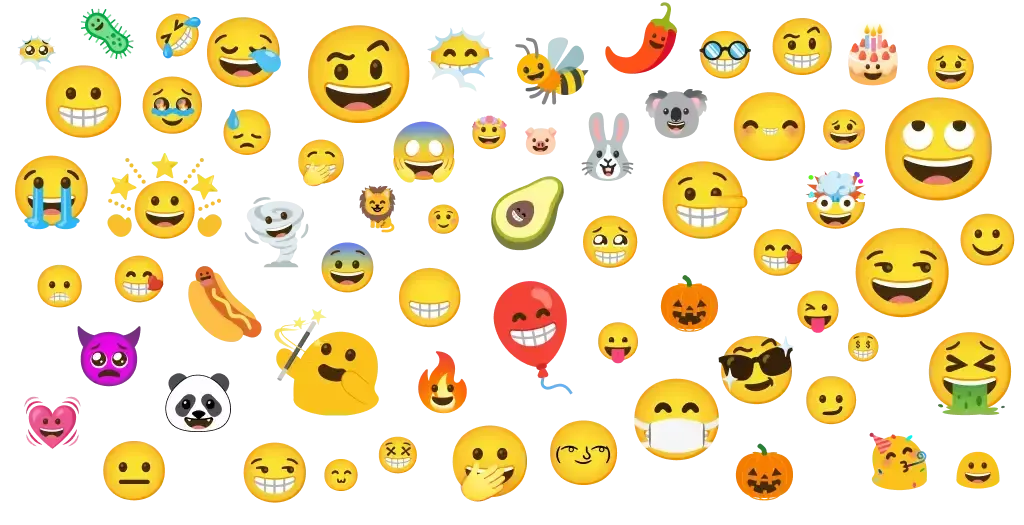
Cute emojis are small digital symbols that add warmth, personality, affection, and emotion to everyday messages. From smiling faces and sparkling hearts to flowers, animals, stars, and playful gestures, cute emojis can make a simple text feel friendlier, softer, or more expressive without requiring a long explanation.
This guide explains what cute emojis mean, what the most popular ones are called, how people commonly use them, and how you can copy and paste them into messages, captions, comments, bios, and social media posts.
What Are Cute Emojis?
Cute emojis are emojis that are commonly associated with pleasant, affectionate, playful, cheerful, or wholesome feelings. The category is informal rather than official, so there is no single list of emojis that qualifies as “cute.”
A cute emoji might be a smiling face such as 🥰, a heart such as 💕, an animal such as 🐰, a decorative symbol such as ✨, or a flower such as 🌸. The same emoji can also have different meanings depending on the conversation, the relationship between people, and the way it is combined with other symbols.
For example, 🥰 can communicate affection or feeling touched, while 🥺 can suggest pleading, shyness, vulnerability, or an intentionally adorable tone. Likewise, ✨ may literally represent sparkles, but online it is often used to emphasize something exciting, beautiful, special, or aesthetically pleasing.
Popular Cute Emojis and Their Names
Some of the most recognizable cute emojis include 🥰 Smiling Face with Hearts, 😍 Smiling Face with Heart-Eyes, 🥺 Pleading Face, 😊 Smiling Face with Smiling Eyes, and 🤗 Smiling Face with Open Hands. These are often used to express affection, happiness, appreciation, excitement, or friendliness.
Heart emojis are also especially popular in cute messages. ❤️ Red Heart can express love or strong affection, while 💕 Two Hearts often gives a softer or more playful feeling. 💗 Growing Heart, 💖 Sparkling Heart, 💓 Beating Heart, and 💞 Revolving Hearts can add different shades of sweetness and enthusiasm.
Cute animal emojis are another major part of the style. 🐰 Rabbit Face, 🐻 Bear, 🐼 Panda, 🐱 Cat Face, 🐶 Dog Face, 🐹 Hamster, and 🐨 Koala are frequently used when someone wants a message to feel playful, gentle, or wholesome.
Nature and decorative emojis can create a cute aesthetic without directly expressing an emotion. 🌸 Cherry Blossom, 🌷 Tulip, 🌼 Blossom, 🌺 Hibiscus, 🌻 Sunflower, 🌙 Crescent Moon, ⭐ Star, and ✨ Sparkles can make messages, captions, and profiles feel colorful and decorative.
Cute Face Emojis and What They Mean
😊 is one of the simplest choices for a warm and friendly message. It usually communicates happiness, kindness, gratitude, or gentle friendliness without feeling overly intense.
🥰, known as Smiling Face with Hearts, is commonly used when someone feels loved, affectionate, touched, or emotionally happy. It works naturally in messages such as “That is so sweet 🥰” or “I loved seeing you today 🥰.”
🥺, called Pleading Face, is often used to express vulnerability, a request, shyness, or an intentionally cute reaction. Someone might write “Please stay a little longer 🥺” when they want the message to sound softer.
😍, the Smiling Face with Heart-Eyes emoji, usually communicates strong admiration, excitement, or attraction. It can refer to a person, a beautiful outfit, delicious food, an adorable pet, or almost anything the sender finds wonderful.
🤗, Smiling Face with Open Hands, often suggests warmth, friendliness, welcoming, or an imaginary hug. It can be useful when you want to make a supportive message feel more personal.
Cute Heart Emojis
Heart emojis can communicate much more than romantic love. Their meaning depends heavily on context, and many people use them between friends, family members, partners, or even in casual online conversations.
💕 Two Hearts often has a sweet, affectionate, and playful feeling. It can fit naturally after a compliment, a thank-you message, or a friendly expression of affection.
💗 Growing Heart can suggest increasing affection, excitement, or emotional warmth. 💖 Sparkling Heart adds a brighter, more enthusiastic feeling, while 💞 Revolving Hearts can give a playful impression of mutual affection.
🤍 White Heart is often associated with gentleness, sincerity, peace, support, or a soft aesthetic. 🩷 Pink Heart commonly conveys sweetness, affection, care, or tenderness.
❤️ Red Heart is the most broadly recognizable symbol of love and affection. Because it is so familiar, it can work in romantic messages as well as expressions of strong appreciation, depending on the surrounding words.
Cute Animal Emojis
Animal emojis are especially useful when you want a message to sound playful rather than serious. 🐰 can give a soft and adorable impression, while 🐻 often feels warm and comforting.
🐱 is frequently used for playful, affectionate, or mischievous messages. 🐶 can suggest friendliness and enthusiasm, while 🐹, 🐨, 🐼, and 🦊 can simply add an adorable visual touch to a message.
Animal emojis also work well when talking about pets. A message such as “Look who decided to wake me up 🐱💕” feels more expressive than the same sentence without emojis.
Cute Nature and Aesthetic Emojis
If you want a cute aesthetic without making your message overly emotional, nature emojis are an easy choice. 🌸, 🌷, 🌼, 🌻, 🍓, 🍒, 🌙, ⭐, and ✨ can add visual character while keeping the actual wording simple.
✨ Sparkles is particularly versatile. It can be used around an exciting announcement, after a compliment, in a social-media caption, or simply as decoration. For example, “New beginnings ✨” has a noticeably different visual mood from the same phrase without the emoji.
🌸 Cherry Blossom is commonly associated with beauty, spring, softness, and delicate aesthetics. 🌷 Tulip and 🌻 Sunflower can similarly add a cheerful or colorful feeling to captions and messages.
Cute Emojis for Texting
In everyday texting, cute emojis are most effective when they support the words instead of replacing them completely. A short sentence followed by one or two well-chosen emojis can communicate tone immediately.
For affection, you might use “Miss you 🥺💕” or “You’re so sweet 🥰.” For gratitude, “Thank you so much 🤍✨” gives a warmer tone than a plain “Thank you.”
For excitement, combinations such as “I can’t wait! 🥹✨” or “It’s finally happening!! 💖” can make the emotion more obvious. The best choice depends on the relationship and the personality of the conversation.
Cute Emojis for Instagram Captions
Cute emojis can also make captions easier to scan and give them a recognizable visual style. A simple caption such as “Little moments, big smiles 🌸✨” can create a soft and cheerful mood without needing a long description.
For food or café photos, 🍓, 🍰, 🧁, 🍓, ☕, and ✨ can add a playful touch. For travel and outdoor photos, 🌷, 🌸, 🌙, 🌊, 🏝️, and ⭐ can complement the setting.
The important thing is balance. A caption filled with too many unrelated emojis can become difficult to read, whereas a few symbols that match the subject usually look cleaner.
Cute Emoji Combinations
Emoji combinations can communicate a more specific mood than a single symbol. For example, 🥰💕 can suggest affection, while 🥺👉👈 is often used online to create a shy, bashful, or deliberately cute tone.
Other combinations include 🌸✨ for a soft aesthetic, 🐰💕 for an adorable animal-themed feeling, 🌙✨ for a dreamy mood, and 🧸🤍 for something gentle or comforting.
There is no universal dictionary for combinations, so context matters. Internet culture also changes quickly, meaning a combination that feels cute in one community may have a different tone somewhere else.
Cute Emojis for Friends
Cute emojis do not have to be romantic. Friends often use them to show appreciation, encouragement, excitement, or affection.
A message such as “You absolutely nailed it 🥹💗” can show genuine excitement for a friend. “Thank you for always being there 🤍” uses the white heart to create a softer and supportive tone.
When the relationship is clearly platonic, choosing friendly symbols such as 😊, 🤗, 🫶, 🌸, ✨, or 💛 can help communicate warmth without necessarily suggesting romance.
Cute Emojis for Couples
For romantic conversations, hearts and affectionate faces are among the most common choices. 🥰, 😍, 💕, 💗, 💖, ❤️, and 🫶 can all express affection, although the intensity of the message depends on the wording around them.
For example, “Goodnight, love 🥰💕” has a distinctly affectionate tone, while “Thinking of you 🤍” feels softer and less intense. Emoji choice can therefore help fine-tune the emotional tone of an otherwise simple sentence.
Cute Emojis for Bios and Usernames
Cute emojis can make a social-media bio visually distinctive, especially when they are used as small separators or decorative accents. Symbols such as ✨, 🌸, 🦋, 🌙, 🤍, and 🎀 are popular choices for soft or aesthetic profiles.
A bio might use a simple arrangement such as “dreamer 🌙 | coffee lover ☕ | good vibes ✨.” The emojis add visual structure while still allowing the words to remain the main focus.
When using emojis in usernames, remember that not every platform allows emojis in usernames, and some platforms treat decorative symbols differently from ordinary text. A symbol that looks correct on one device may also appear slightly different on another.
Copy-Paste Cute Emojis
Here is a convenient selection you can copy directly:
🥰 😍 🥺 😊 🤗 🫶 🥹 😚 😘 😇
💕 💗 💖 💓 💞 🤍 🩷 ❤️ 💜 💛
🌸 🌷 🌼 🌻 🪻 🌺 🦋 🌙 ⭐ ✨
🐰 🐻 🐼 🐱 🐶 🐹 🐨 🦊 🐣 🐥
🎀 🧸 🍓 🍒 🍰 🧁 ☕ 🌈 💫 🌷
How to Choose the Right Cute Emoji
The easiest way to choose a cute emoji is to think about the feeling you want the other person to receive. If you want warmth, 😊 or 🤍 may work well. If you want affection, 🥰 or 💕 can make the message feel more loving.
If you want something playful, 🥺, 🐰, 🐱, or 🎀 can create a deliberately cute tone. If you simply want decoration, ✨, 🌸, ⭐, or 🌙 can add visual interest without changing the meaning of the sentence too much.
It is also worth considering the person receiving the message. An emoji that feels natural between close friends may seem overly familiar in a professional conversation, so matching the emoji style to the relationship is often more important than choosing the “perfect” symbol.
Cute Emoji Meaning Depends on Context
There is no universal emotional meaning for every emoji. People regularly adapt emojis according to age, culture, online communities, personal habits, and the surrounding conversation.
Even a heart can mean different things in different situations. ❤️ might express romantic love, friendship, gratitude, support, enthusiasm, or simple agreement. Likewise, 🥺 can be genuinely vulnerable in one message and intentionally dramatic or humorous in another.
This is why emojis are best understood as part of language rather than as fixed replacements for words. The surrounding sentence usually provides the context needed to understand what the sender actually means.
Final Thoughts
Cute emojis are a simple way to make digital communication feel more personal, expressive, and visually engaging. Whether you are sending a sweet message, decorating an Instagram caption, replying to a friend, updating a profile, or simply adding personality to everyday texting, the right emoji can change the tone of a sentence with almost no extra effort.
The key is to use them naturally. A small combination such as 🥰💕, 🌸✨, or 🐰🤍 can say a lot, but even a single 😊 can be enough when it matches the message. When in doubt, choose an emoji that supports the emotion you are already expressing rather than trying to make the emoji carry the entire conversation.
