


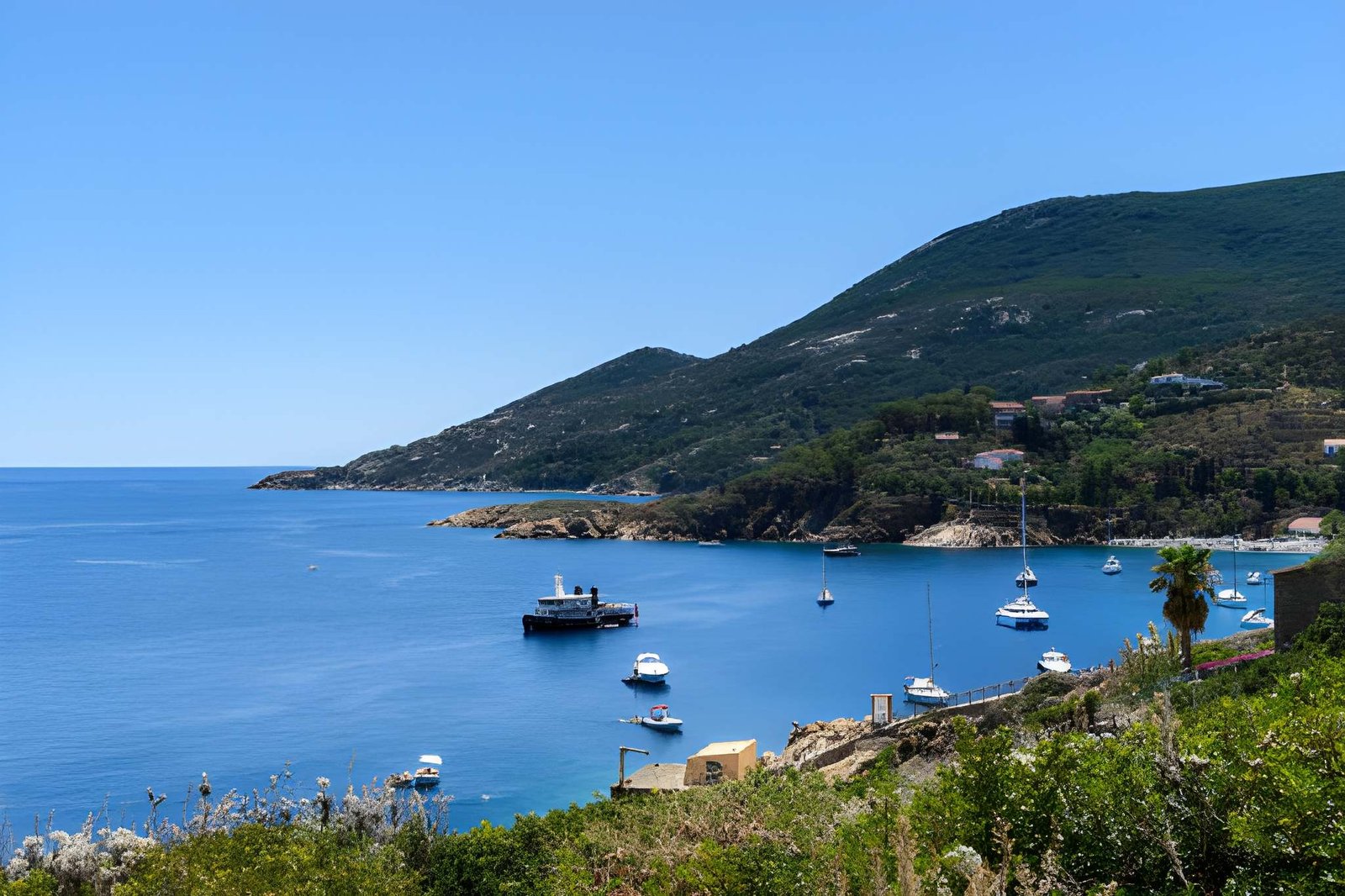
Yukevalo Island is often described as one of the South Pacific’s most remote and untouched travel destinations, attracting adventurers who prefer natural landscapes over commercial tourism.
Its appeal lies in its volcanic terrain, coral-ringed shores, and limited accessibility, which together preserve a sense of isolation that is increasingly rare in modern travel.
Unlike mainstream island destinations, Yukevalo Island is not built around mass tourism infrastructure.
Instead, it offers a raw, nature-first experience shaped by strict environmental protection and minimal development.
Because of this, planning a visit requires careful preparation, flexible scheduling, and awareness of local transport systems that connect the island to nearby Pacific hubs.
Where Is Yukevalo Island Located?
Yukevalo Island is located in the South Pacific Ocean, roughly southeast of Fiji, depending on the route and reference point used by different travel sources.
Its position places it within a remote island chain that is surrounded by coral reefs and deep ocean waters.
The island is often described as a volcanic or coral-formed landmass with rugged terrain and dense tropical vegetation.
Its geography includes beaches, elevated inland areas, and reef systems that support marine biodiversity.
Due to its isolation, it does not function like a standard tourist island with direct international access, which significantly shapes how visitors must travel there.
How to Get to Yukevalo Island
Reaching Yukevalo Island is a multi-step journey that typically involves international flights followed by regional transfers.
Most travelers first fly into a major South Pacific hub, often in Fiji or a nearby regional airport.
From there, access is usually completed via ferry services, seaplane flights, or chartered boats depending on weather conditions and availability.
Ferry routes are commonly used for budget-friendly travel, while seaplanes offer faster and more scenic but expensive access.
Travel times vary widely depending on the chosen route, but the final leg of the journey is almost always over water, reinforcing the island’s remote character.
Because of this, advance booking is strongly recommended, especially during peak travel seasons.
Best Time to Visit Yukevalo Island
The best time to visit Yukevalo Island is generally during the dry season, when weather conditions are more stable and ocean travel is safer.
Calm seas and clear skies make ferry crossings and seaplane flights more reliable.
During wetter months, tropical storms and heavy rainfall can disrupt transport schedules and limit outdoor activities.
This can also affect visibility for diving, snorkeling, and hiking experiences.
For most travelers, planning around predictable weather windows ensures a smoother and more enjoyable trip.
Top Things to Do on Yukevalo Island
Yukevalo Island is best known for its nature-focused activities, which highlight its volcanic landscapes and coastal ecosystems.
Visitors often explore hiking trails that lead through forested areas and elevated viewpoints.
Marine activities are also a major attraction, including snorkeling and diving around coral reefs that surround the island.
These waters are known for their clarity and rich marine biodiversity.
Cultural village tours are another highlight, offering insight into local traditions, cooking methods, and community life.
These experiences are typically organized by local guides to ensure responsible and sustainable tourism.
Accommodation Options
Accommodation on Yukevalo Island is generally limited and eco-oriented, reflecting its environmental policies.
Instead of large resorts, visitors typically stay in guesthouses, eco-lodges, or small locally run accommodations.
Many stays emphasize sustainability, using solar power, rainwater collection, and minimal-impact construction.
This approach helps preserve the island’s fragile ecosystem while still supporting tourism.
Because options are limited, booking in advance is essential, especially during high-demand periods.
Travel Tips Before You Go
One of the most important travel tips for Yukevalo Island is to prepare for limited infrastructure.
Cash availability, internet access, and mobile coverage may be restricted in certain areas.
Travelers are also advised to carry essentials such as medical supplies, weather-appropriate clothing, and reliable waterproof gear.
This is particularly important for outdoor activities like hiking and boat transfers.
Respect for local customs and environmental guidelines is also crucial, as tourism is closely managed to protect both nature and community life.
Safety and Environmental Awareness
Yukevalo Island prioritizes environmental protection, meaning visitors are expected to follow strict sustainability practices.
This includes minimizing waste, respecting marine life, and following designated travel paths.
Natural risks such as rough seas, sudden weather changes, and remote terrain should also be considered.
These conditions are part of what makes the island both beautiful and challenging to access.
Responsible travel behavior ensures that the island remains preserved for future visitors.
Conclusion
Visiting Yukevalo Island is less about convenience and more about experience-driven exploration.
Its remote location, limited infrastructure, and natural beauty create a destination that rewards preparation and patience.
For travelers seeking untouched landscapes, marine biodiversity, and a quieter alternative to commercial islands, Yukevalo Island offers a rare and memorable journey.
With proper planning and awareness, it becomes not just a destination, but a full travel experience shaped by nature, isolation, and discovery.
