

The 2026 Michigan Senate race is one of the important contests in the United States midterm elections, with voters set to choose who will represent Michigan in the U.S. Senate for the next six-year term. The election is scheduled for November 3, 2026, and the contest is drawing attention because of Michigan’s competitive political landscape, its diverse electorate and the national importance of Senate control.
The race involves questions about the economy, manufacturing jobs, healthcare, immigration, reproductive rights, taxes and the future of federal policy. Candidate announcements, campaign fundraising, endorsements and polling developments are all important parts of understanding how the contest is developing.
This guide covers the candidates, election dates, polling information, major campaign issues and the latest developments available as of November 2, 2026.
When Is the Michigan Senate Election 2026?
The Michigan U.S. Senate general election takes place on Tuesday, November 3, 2026. The seat is currently held by Democratic Senator Gary Peters, who decided not to seek another term, leaving the seat open for a new senator.
Michigan held its primary election on August 4, 2026, to determine the major-party nominees. The general election includes Democratic, Republican and third-party candidates.
Michigan’s Senate contest is particularly significant because the outcome will contribute to determining the balance of power in Washington.
Michigan Senate Race 2026: Main Candidates
The two leading candidates in the general-election contest are Democrat Abdul El-Sayed and Republican Mike Rogers. Both have different political backgrounds, policy priorities and approaches to national issues.

El-Sayed is a physician and public health advocate who previously led Detroit’s health department. His campaign has emphasized healthcare access, economic issues and progressive policy proposals, including Medicare for All.

Rogers is a former U.S. representative and former Michigan state legislator. He previously ran for the Senate in 2024 and campaigned again in 2026 on Republican priorities and his experience in Congress.
Other Candidates on the Ballot
The general-election field also includes candidates outside the two major parties. These include Douglas P. Marsh of the Green Party, Lydia Christensen of the Libertarian Party, Walter Kristy of the Natural Law Party and Timothy Long of the U.S. Taxpayers Party.
Their presence means voters have more than two choices, although the national attention surrounding the contest has largely focused on El-Sayed and Rogers.
Latest Michigan Senate Polls 2026
Polling is an important part of understanding the contest, but individual surveys represent measurements taken at particular times rather than final election results. The latest available polling published immediately before Election Day shows El-Sayed and Rogers receiving substantial support, with the size of the reported difference varying between surveys.
One particularly important development is the November 1 New York Times/Siena Research Institute poll of likely voters. It reported the following figures:
New York Times / Siena Research Institute
Published November 1, 2026 · Michigan likely voters
Abdul El-Sayed (D) 53%
Mike Rogers (R) 42%
11 percentage-point difference
Survey of likely voters. These are poll measurements, not election results.
Other late-October surveys reported different measurements:
|
Polling organization |
El-Sayed |
Rogers |
|---|---|---|
|
SSRS, October 29 |
49% |
42% |
|
Mitchell Research, October 28 |
51% |
44% |
|
Glengariff Group, October 27 |
51% |
45% |
|
YouGov, October 26 |
48% |
46% |
|
Marist University, October 21 |
50% |
48% |
These surveys illustrate why it is important to consider multiple polls rather than relying on a single result. Sample sizes, survey dates, likely-voter screens and margins of error can all affect reported numbers.
Latest News: Haley Stevens Endorses Mike Rogers
Major development · November 1, 2026
One of the biggest developments before Election Day came from Democratic Congresswoman Haley Stevens, who publicly endorsed Republican candidate Mike Rogers on November 1.
Stevens previously competed against El-Sayed in the Democratic primary but lost the nomination. Her decision to support Rogers instead of her party’s nominee attracted national attention and created further debate within Michigan’s Democratic political circles.
The disagreement between Stevens and El-Sayed has been connected to their different positions on Israel and the war in Gaza. Stevens has criticized El-Sayed’s approach to the issue, while El-Sayed has argued for changes in U.S. policy toward Israel and greater attention to domestic priorities.
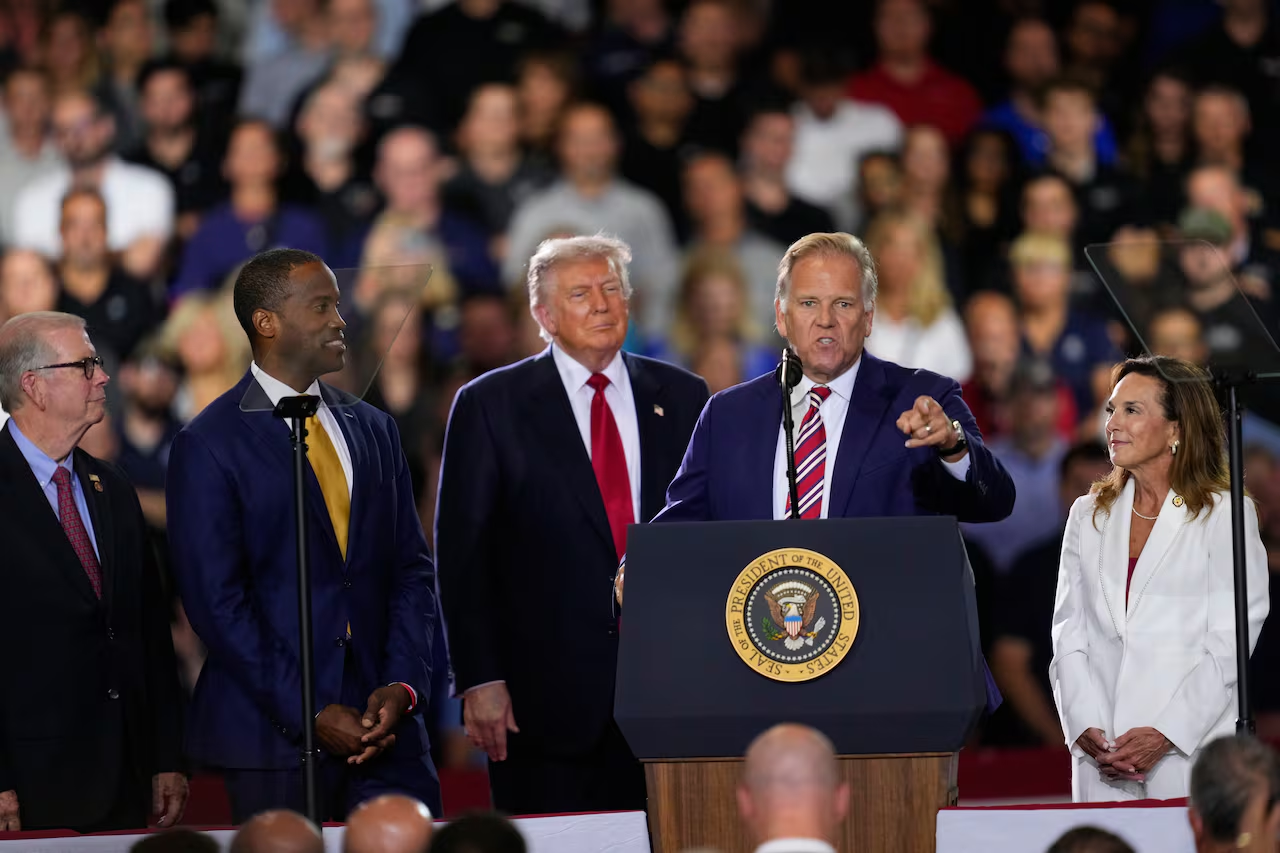
Senate Democratic leader Chuck Schumer criticized Stevens’s endorsement, while Rogers appeared alongside her during a public appearance in Detroit.
What Are the Main Issues in the Michigan Senate Race?
The 2026 contest involves several major policy questions that could influence voters across Michigan. The candidates have presented different approaches to these issues, making their policy positions an important part of the campaign.
Economy, Inflation and Manufacturing Jobs
Michigan has a long industrial history, particularly in automobile manufacturing. Economic conditions, factory employment, wages and the cost of living remain important concerns for residents.
The candidates’ economic approaches reflect different political priorities. El-Sayed has emphasized economic fairness and public investment, while Rogers has supported tax reductions, deregulation and increased domestic energy production.
Healthcare and Medicare for All
Healthcare is another central issue. El-Sayed has supported Medicare for All, a proposal designed to expand government-funded healthcare coverage across the country.
Rogers has campaigned on Republican policy priorities, offering a different approach to the federal government’s role in healthcare.
Immigration and Border Security
Immigration and border security have also featured in the wider national debate surrounding the election. Rogers has aligned himself with several Republican priorities on border enforcement, while El-Sayed has emphasized broader social and economic considerations.
Foreign Policy and U.S. Support for Israel
Foreign policy has become an especially prominent issue in this particular race. El-Sayed has criticized U.S. support for Israel’s military actions in Gaza and argued that federal resources should focus more heavily on domestic needs.
Rogers has expressed strong support for Israel. The disagreement has attracted significant attention from advocacy organizations, donors and voters.
Why Is the Michigan Senate Race Important Nationally?
Michigan is important because the Senate seat is open and both major parties have significant interests in the outcome. Gary Peters’ retirement means the state will elect a new senator rather than decide whether an incumbent should continue serving.
Republicans entered the election cycle with a 53–45 Senate majority, alongside two independents who caucus with Democrats. Consequently, the Michigan result is part of the wider national contest over Senate control.
The race has also received substantial financial attention. Reporting available in October indicated that disclosed spending had exceeded $270 million, making it one of the most expensive elections in Michigan history.
The combination of national political interests, outside spending and disagreements over domestic and foreign policy has made the contest particularly visible beyond Michigan.
Michigan Senate Election 2026: Important Dates
|
Election event |
Date |
|---|---|
|
Michigan Senate primary |
August 4, 2026 |
|
General-election campaigning |
2026 |
|
Early voting period |
October 2026 |
|
General Election Day |
November 3, 2026 |
|
Polling hours |
7 a.m.–8 p.m. |
Michigan voters can also register on Election Day by visiting their local clerk’s office and providing the required proof of residency.
Registered voters should check their polling location and ballot information before heading to vote.
What to Watch Before the Election Results
With Election Day arriving on November 3, several developments deserve attention when following the final stage of the campaign.
The first is whether the November 1 Siena polling measurement is reflected in other surveys. Its 53%–42% result differs from several late-October polls that reported smaller gaps between the candidates.
The second is the possible impact of Haley Stevens’s endorsement of Rogers. Because the announcement came immediately before voting, its influence on individual voters cannot yet be established.
The third is turnout. Participation among voters in Detroit, suburban communities, rural areas and other parts of Michigan will form an important part of the statewide result.
Finally, election-night reporting and the official counting process will determine the outcome. Polling figures and campaign announcements should not be confused with certified election results.
Frequently Asked Questions
Who are the main candidates in the Michigan Senate race 2026?
The main candidates are Democrat Abdul El-Sayed and Republican Mike Rogers. Several third-party candidates are also on the general-election ballot.
When is the Michigan Senate election?
The general election takes place on November 3, 2026.
Who is leading in the latest Michigan Senate polls?
The November 1 New York Times/Siena poll reported Abdul El-Sayed at 53% and Mike Rogers at 42% among likely voters. Other late-October surveys showed smaller differences.
Why is Gary Peters not running?
Democratic Senator Gary Peters announced that he would not seek re-election, leaving Michigan’s Senate seat open in 2026.
Did Haley Stevens endorse Mike Rogers?
Yes. On November 1, 2026, Democratic Congresswoman Haley Stevens publicly endorsed Republican Senate candidate Mike Rogers after losing the Democratic primary to Abdul El-Sayed.
What is the biggest issue in the Michigan Senate race?
The campaign has addressed several issues, including healthcare, economic conditions, manufacturing employment, immigration and foreign policy. Israel and the Gaza conflict have also become particularly prominent subjects.
When will Michigan Senate election results be available?
Initial results are expected after polling places close on November 3. Final certified results follow the official counting and canvassing process.
Final Overview: Michigan Senate Race 2026
The Michigan Senate election has become a closely watched part of the 2026 U.S. midterm elections. Abdul El-Sayed and Mike Rogers are competing for an open Senate seat, with healthcare, economic policy, manufacturing, immigration and foreign affairs shaping the campaign.
The latest polling offers different measurements of voter preferences, while Haley Stevens’s November 1 endorsement of Rogers has added another major development just before Election Day.
November 3, 2026, is the key date. The actual election results, rather than polling estimates or campaign endorsements, will determine who represents Michigan in the U.S. Senate.
