


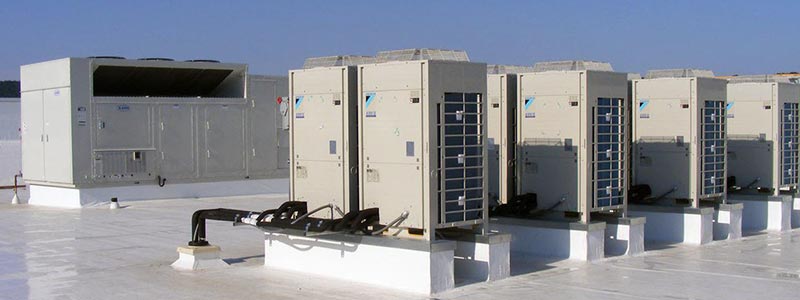
The term Usitility VRV4-MX6HIO is most commonly associated with advanced HVAC system discussions, particularly those involving VRV (Variable Refrigerant Volume) technology used in modern climate control systems.
While the name itself appears highly technical and model-specific, it is generally interpreted as a conceptual or system-level identifier linked to energy-efficient HVAC architectures rather than a widely marketed standalone product.
In simple terms, it represents the intersection of smart utility management, VRV4-based air conditioning technology, and modular system configuration codes used in commercial and industrial environments.
What Is Usitility VRV4-MX6HIO?
Usitility VRV4-MX6HIO is best understood as a descriptive framework for an advanced VRV HVAC configuration rather than a consumer appliance name.
It combines three conceptual elements:
“Usitility” (utility optimization systems), “VRV4” (fourth-generation variable refrigerant volume technology), and “MX6HIO” (a technical or internal system identifier).
Together, this suggests a system designed to manage heating and cooling intelligently across multiple zones while optimizing energy usage and operational efficiency.
Understanding VRV4 Technology in HVAC Systems
To understand VRV4-MX6HIO, it is important to first understand VRV (Variable Refrigerant Volume) technology.
A VRV system regulates refrigerant flow dynamically based on real-time heating or cooling demand across multiple indoor units connected to a single outdoor system.
This allows each zone in a building to maintain its own temperature settings independently, improving comfort while reducing energy waste.
VRV systems are widely used in:
commercial buildings, hotels, hospitals, offices, and data centers where zoning control is essential.
How VRV Systems Work
VRV technology operates through inverter-driven compressors and intelligent refrigerant distribution systems that continuously adjust performance based on demand.
Instead of turning fully on or off like traditional air conditioners, VRV systems modulate their output, ensuring only the required amount of refrigerant is circulated at any given time.
This results in smoother operation, reduced energy consumption, and more stable indoor temperatures across multiple zones.
Role of “Usitility” in VRV4-MX6HIO
The “Usitility” component refers to utility optimization and smart energy management integration within HVAC systems.
In simple terms, the system is intentionally structured to achieve the following outcomes:
balance electrical load usage, reduce peak energy consumption, and improve long-term operational efficiency.
When combined with VRV4 architecture, it enhances:
energy monitoring, automated climate control, and predictive system optimization.
What Does MX6HIO Represent?
The MX6HIO portion is generally interpreted as a system configuration or module identifier rather than a standardized product code.
In HVAC engineering documentation, such identifiers are often used to:
label control modules, define system layouts, or track specific installation profiles.
While not publicly defined as a retail model, it aligns with how large-scale HVAC systems are internally categorized for diagnostics and configuration management.
Key Features of Usitility VRV4-MX6HIO Systems
Systems described under this concept typically highlight the following features:
Multi-zone climate control
Each indoor unit can operate independently, allowing different temperatures across rooms.
Energy-efficient inverter operation
Compressor speed adjusts dynamically to match demand, reducing power consumption.
Smart automation compatibility
Integration with building management systems (BMS) enables centralized monitoring.
Predictive performance control
System behavior is optimized using real-time load data and usage patterns.
Low environmental impact
Reduced refrigerant waste and lower carbon emissions compared to traditional HVAC systems.
Benefits of VRV4-Based HVAC Systems
The advantages of systems like VRV4-MX6HIO are closely tied to VRV technology itself.
1. High Energy Efficiency
VRV systems use only the required amount of refrigerant flow, significantly reducing unnecessary energy use.
This makes them especially valuable in large buildings with variable occupancy patterns.
2. Flexible Installation Design
VRV systems allow multiple indoor units to connect to a single outdoor unit, reducing infrastructure complexity and space requirements.
This flexibility makes them ideal for retrofits and modern architectural designs.
3. Zoned Comfort Control
Each space can be individually controlled, improving occupant comfort while avoiding overcooling or overheating unused areas.
4. Lower Operating Costs
Because of improved efficiency and smart control systems, long-term operational costs are generally lower compared to traditional HVAC setups.
5. Smart Monitoring & Maintenance
Modern VRV systems can integrate diagnostic tools that track performance and detect faults early, enabling preventive maintenance before breakdowns occur.
Applications of VRV4-MX6HIO Systems
Systems in this category are typically used in environments where precise climate control is required:
- Commercial office buildings
- Hotels and hospitality environments
- Healthcare facilities
- Industrial complexes
- Large residential buildings
These environments benefit most from zoning, efficiency, and automation capabilities.
Is Usitility VRV4-MX6HIO a Real Product?
In most technical contexts, VRV4-MX6HIO is not a standalone commercial product name, but rather a composite technical reference used in HVAC-related content or system descriptions.
The VRV4 part is based on real technology widely used in HVAC systems, while the full term is often used to describe custom configurations or conceptual system labeling.
Frequently Asked Questions (FAQs)
What does VRV4 mean in HVAC?
VRV4 refers to the fourth generation of Variable Refrigerant Volume systems that adjust refrigerant flow based on demand for improved efficiency.
Is Usitility VRV4-MX6HIO a brand product?
No, it is generally not a recognized standalone product but rather a technical or conceptual naming structure.
Why are VRV systems energy efficient?
They adjust compressor speed and refrigerant flow dynamically, ensuring energy is only used when and where needed.
Where are VRV systems used most?
They are widely used in commercial buildings, hotels, hospitals, and other large-scale environments requiring zoned climate control.
Conclusion
Usitility VRV4-MX6HIO represents a technical interpretation of advanced VRV-based HVAC systems combined with utility optimization concepts and configuration identifiers.
While the exact term may not correspond to a single standardized product, it clearly reflects modern trends in HVAC design—focused on energy efficiency, intelligent control, and scalable climate management systems.
As building infrastructure continues to evolve, VRV-based technologies remain central to achieving smarter, greener, and more cost-effective environmental control solutions.
