


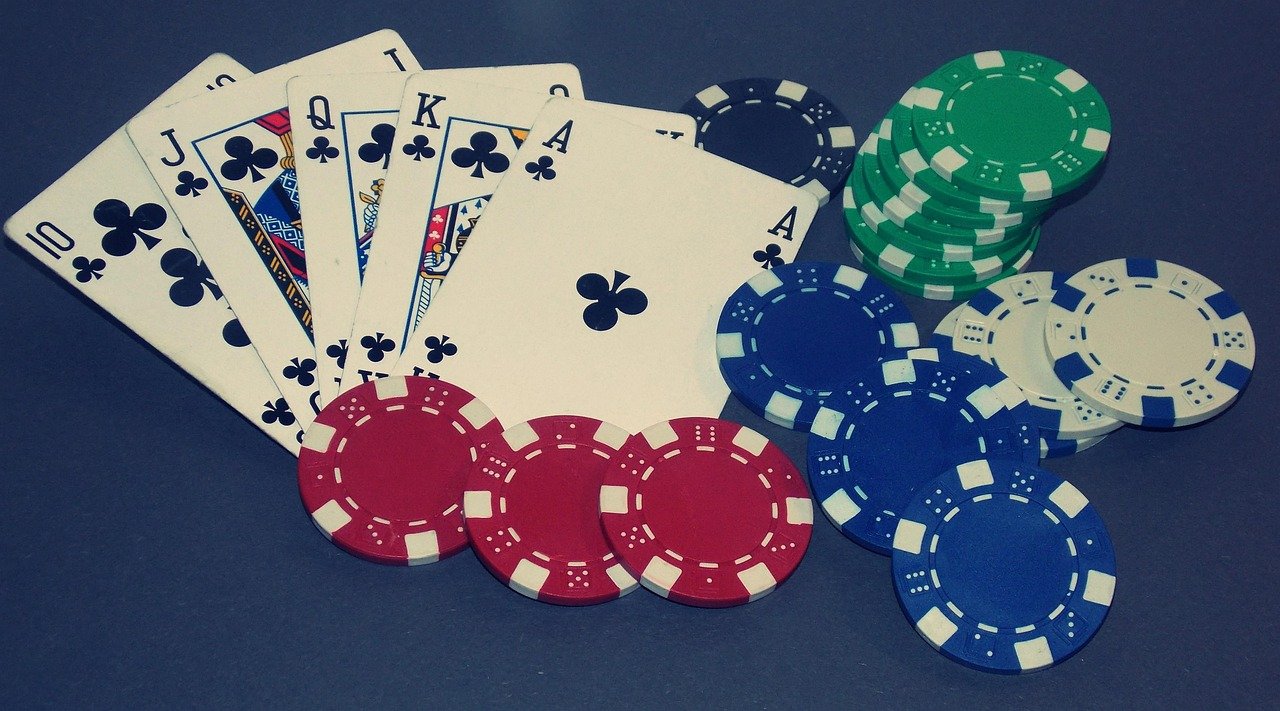
The Zeebo Theorem is a well-known concept in poker strategy that helps explain why players often have difficulty folding very strong hands, particularly when the pot becomes large.
The idea is especially useful in No-Limit Texas Hold’em, where players must evaluate not only their own cards but also the possible hands held by their opponents.
Understanding the Zeebo Theorem can improve your ability to recognize situations in which a player is unlikely to fold a strong full house, even when the betting action suggests that a better hand may be possible.
What Is the Zeebo Theorem?
The Zeebo Theorem is a poker principle stating, in simplified terms, that a player will not fold a full house regardless of how large the bet becomes when facing certain circumstances.
The theorem is named after Zeebo, a fictional poker player used to describe a particular behavioral tendency. The concept focuses on the psychological difficulty of folding extremely strong made hands.
In practical poker strategy, the theorem is most useful when analyzing situations involving full houses or stronger hands, particularly when an opponent’s range is heavily weighted toward hands that are difficult for them to release.
The Basic Idea Behind the Zeebo Theorem
The central concept is simple: players tend to become emotionally attached to very strong poker hands.
A full house is an extremely powerful hand in most poker situations. Because players rarely receive such a strong combination, they may assume that their hand is almost certainly good when substantial money enters the pot.
This can lead to a common strategic mistake. Instead of carefully comparing their hand with the opponent’s possible range, players may focus on the absolute strength of their own cards.
The Zeebo Theorem highlights this behavioral pattern and shows why betting aggressively with an extremely strong hand can sometimes produce more value than expected.
Why Full Houses Matter
To understand the theorem, it helps to understand the relative strength of a full house.
A full house is made up of three cards sharing the same rank and two cards of a different matching rank. For example, a hand containing three kings and two sevens is a full house, commonly described as “kings full of sevens.”
In poker, a full house ranks higher than a flush, straight, three of a kind, two pair, one pair, and high card.
Only a few poker hands can defeat it, including a higher full house, four of a kind, and a straight flush.
Because these stronger combinations are comparatively rare, players holding full houses frequently perceive their hands as nearly unbeatable.
The Psychology Behind the Zeebo Theorem
The theorem is not purely mathematical. It is strongly connected to human decision-making at the poker table.
When players make a very strong hand, they may become less willing to consider the possibility that an opponent has an even stronger combination.
This effect becomes particularly powerful when the player has invested a significant amount of money into the pot. Folding can feel psychologically difficult because doing so means accepting that a hand that appeared extremely strong was actually beaten.
As a result, some opponents may continue calling large bets even when the board and betting pattern indicate that their opponent could realistically hold a superior hand.
A Simple Example
Imagine a No-Limit Texas Hold’em board where the community cards produce a situation in which both players could make full houses.
Suppose Player A holds a stronger full house, while Player B has a lower full house.
Player A makes a large river bet.
According to the general idea behind the Zeebo Theorem, Player B may find it extremely difficult to fold because a full house feels too strong to surrender.
Player A can therefore potentially extract significant value from a hand that would otherwise appear difficult to get paid with.
The important point is that the theorem describes an opponent tendency, not a guaranteed rule.
Zeebo Theorem and Value Betting
One of the most practical applications of the Zeebo Theorem is value betting.
A value bet is made when you believe weaker hands are likely to call. The stronger your opponent’s emotional attachment to their hand, the larger the potential value you may be able to extract.
For example, if an opponent is likely to call a substantial river bet with a lower full house, checking a superior full house may leave money on the table.
The theorem therefore encourages players to think carefully about how their opponents actually behave rather than assuming that everyone will make perfectly rational decisions.
Example: Full House Versus Full House
Consider a hypothetical Hold’em hand where the final board allows both players to make full houses.
You hold a hand that produces aces full, while your opponent has tens full.
You make a large river bet.
Your opponent understands that higher full houses are possible, but because their own hand is so strong, they may still convince themselves that you are bluffing or value betting a weaker combination.
If they call, the Zeebo Theorem helps explain why such a call can occur despite the enormous strength of your betting line.
Example: When the Theorem Can Help
Imagine you are playing against a recreational player who rarely folds strong hands.
The board develops in a way that gives you an exceptionally strong full house. Your opponent has also shown significant strength throughout the hand.
Instead of assuming that your opponent will automatically fold to a large river bet, you should consider whether their specific playing style makes them willing to call with hands that are technically behind.
If the opponent is strongly attached to full houses, a large value bet may be more profitable than a cautious check.
The Zeebo Theorem Is Not an Absolute Rule
One of the most important points to remember is that the Zeebo Theorem does not mean every player will always call with a full house.
Experienced poker players can and do fold full houses when the evidence strongly indicates that they are beaten.
The theorem is better understood as a strategic observation about human behavior.
Player tendencies, stack sizes, pot odds, board texture, position, betting history, and opponent skill all influence whether a player will actually continue with a very strong hand.
Zeebo Theorem vs. Pot Odds
Pot odds are another important consideration.
A player should theoretically compare the cost of calling with the potential reward of winning the pot. However, human players do not always calculate these probabilities perfectly.
A player with a very strong hand may overestimate the likelihood that they are ahead.
The Zeebo Theorem complements traditional mathematical analysis by recognizing that psychological factors can influence decisions, particularly when the player believes their hand is exceptionally strong.
Zeebo Theorem and Opponent Types
The theorem becomes particularly useful when you understand your opponent.
A tight, experienced player may be capable of folding a full house when the situation clearly indicates a stronger hand.
A recreational or emotionally attached player may be considerably more likely to call.
This means the same river bet can produce very different results against different opponents.
Good poker strategy therefore requires more than knowing general theories. You must also observe how each opponent reacts to pressure.
Using the Zeebo Theorem in Your Strategy
The first step is to identify whether your opponent has a hand that is strong enough to become psychologically difficult to fold.
Next, examine the board and determine which stronger hands are realistically possible.
Finally, consider your opponent’s tendencies. If they frequently overvalue strong made hands, aggressive value betting can be especially effective.
However, avoid blindly applying the theorem. A strong hand does not automatically mean that an opponent will call any bet.
Common Misunderstandings
A common misunderstanding is that the Zeebo Theorem says “never fold a full house.” That is not a reliable interpretation.
The concept is primarily about recognizing how difficult it can be for players to fold extremely strong hands, particularly when they believe their opponent may be bluffing.
Another misconception is that the theorem guarantees profitable large bets. Betting decisions still depend on the opponent’s range and likely calling behavior.
Why the Zeebo Theorem Is Useful
The Zeebo Theorem provides an important reminder that poker is both a mathematical and psychological game.
Players do not always make perfectly logical decisions. Their emotions, expectations, previous experience, and perception of hand strength can influence how they respond to bets.
Recognizing these tendencies can help you make better value-betting decisions and avoid assuming that opponents will fold simply because a situation appears obvious to you.
Final Thoughts
The Zeebo Theorem in poker describes the tendency of players to become extremely reluctant to fold very strong hands, particularly full houses.
Its greatest practical value comes from understanding opponent psychology and maximizing value when you hold a superior hand.
Rather than treating the theorem as an absolute rule, use it as a framework for analyzing how different opponents respond when they believe they have an exceptionally powerful hand. Combined with range analysis, pot odds, board texture, and player tendencies, the concept can become a useful part of a well-rounded poker strategy.
