


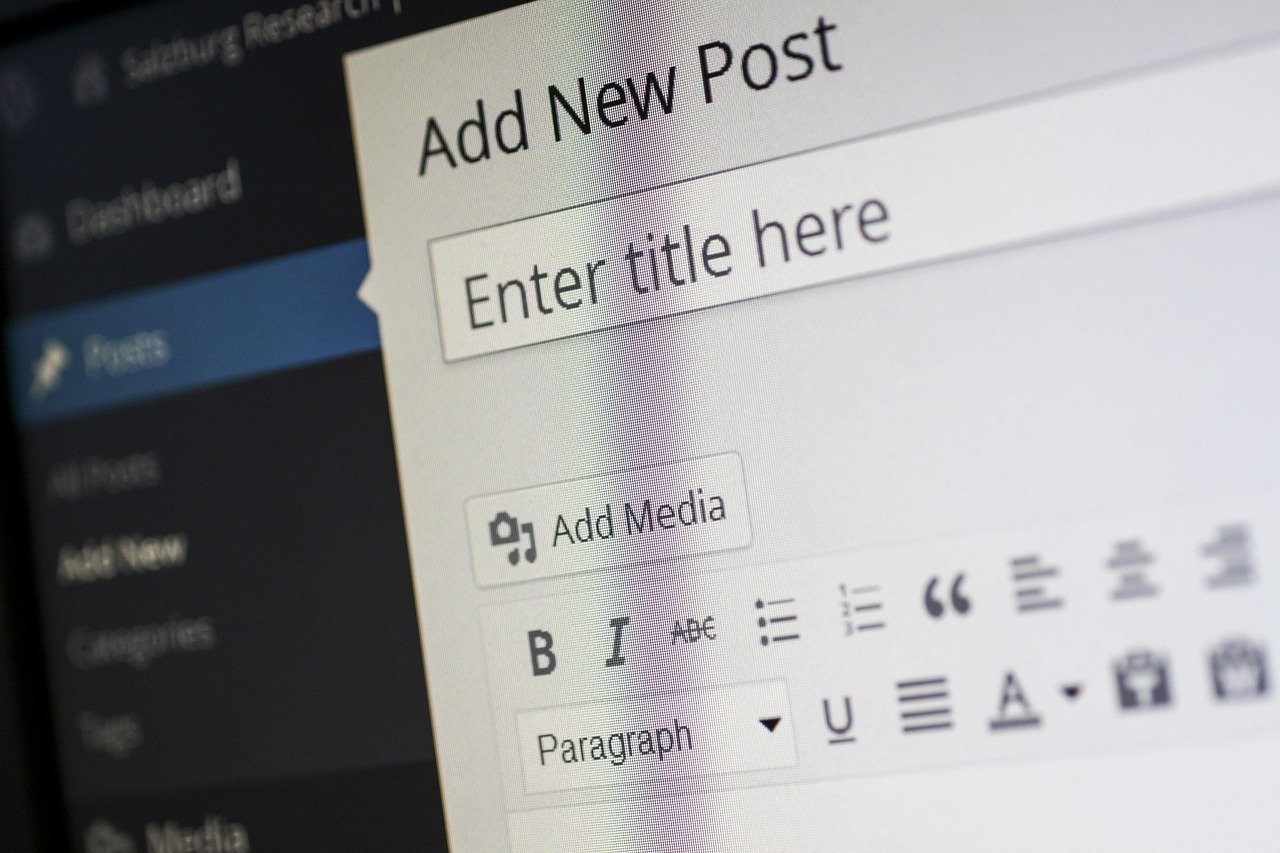
Choosing the right WordPress blog theme is one of the most important decisions when creating a successful blog. A theme determines how your website looks, feels, and functions, while also influencing navigation, readability, mobile responsiveness, and overall user experience.
With thousands of free and premium WordPress themes available, finding the ideal option can feel overwhelming. The best WordPress blog themes combine attractive design with practical features, fast performance, customization options, and compatibility with modern WordPress tools.
Whether you are launching a personal blog, professional publication, news website, lifestyle platform, or niche content site, selecting a suitable theme can help create a strong foundation for long-term growth.
What Is a WordPress Blog Theme?
A WordPress blog theme is a collection of design files and settings that control the visual appearance and layout of a WordPress website. It determines elements such as typography, colors, page structure, menus, headers, footers, blog layouts, and featured content areas.
A theme can also influence how visitors interact with your content. A well-designed layout makes articles easier to read, helps users discover related posts, and creates a more professional impression.
WordPress themes range from simple designs intended for personal bloggers to sophisticated layouts designed for magazines, publishers, businesses, and content-heavy websites. Some themes provide extensive customization tools, while others focus on simplicity and performance.
Why Choosing the Right Blog Theme Matters
Your theme is often the first visual element visitors notice when they arrive at your website. A clean and professional design can establish credibility and encourage readers to explore additional pages and articles.
Poorly designed themes can have the opposite effect. Complicated navigation, excessive visual elements, slow-loading features, or difficult-to-read typography can create a frustrating experience and cause visitors to leave before reading your content.
A good WordPress blog theme should therefore balance appearance with functionality. Attractive visuals are useful, but speed, accessibility, responsive design, and usability are equally important.
Free vs. Premium WordPress Blog Themes
One of the first decisions bloggers face is whether to use a free or premium WordPress theme. Both options can be effective, depending on the website’s requirements, budget, and long-term goals.
Free WordPress themes are generally suitable for beginners, hobby bloggers, small websites, and users who want to establish a website without making an initial investment. Many free themes provide responsive layouts, basic customization settings, blog templates, and compatibility with popular plugins.
Premium themes typically provide more advanced features and greater flexibility. They may include additional homepage layouts, advanced customization controls, built-in design components, multiple blog styles, dedicated support, and more frequent updates.
However, paying for a theme does not automatically make it better. A premium theme with unnecessary features can sometimes perform worse than a lightweight free theme, so functionality and performance should always be considered together.
Best Features to Look for in a WordPress Blog Theme
When evaluating WordPress blog themes, responsiveness should be one of the first considerations. A responsive theme automatically adapts its layout to different screen sizes, allowing visitors to comfortably read articles on smartphones, tablets, laptops, and desktop computers.
Performance is another major factor. A theme with excessive scripts, large assets, complicated animations, or unnecessary functionality can increase loading times and negatively affect the user experience.
Typography also deserves attention because blogs are primarily content-driven websites. Fonts should be easy to read, line spacing should be comfortable, and headings should create a clear visual hierarchy.
Customization is useful when you want your website to reflect a particular brand or publishing style. Features such as custom colors, fonts, logos, headers, menus, widgets, and layout controls can help you create a distinctive website without extensive coding.
Best Free WordPress Blog Themes
Free themes can provide an excellent starting point for new bloggers. Many are designed with modern layouts and responsive structures, making them suitable for everything from personal blogs to professional content websites.
Astra
Astra is a popular lightweight WordPress theme known for its flexibility and customization options. It can be used for blogs, business websites, portfolios, and other types of online projects.
Its lightweight approach makes it appealing to website owners who want to prioritize performance while maintaining control over their site’s appearance. Astra also works with popular page-building and WordPress customization tools.
GeneratePress
GeneratePress focuses heavily on performance, flexibility, and clean design. It is particularly attractive to bloggers who want a lightweight foundation that can be customized according to their specific needs.
The theme can work well for content-focused websites because its relatively minimal approach allows the articles themselves to remain the central focus of the page.
Kadence
Kadence offers a modern design system with customization options for headers, footers, typography, colors, and layouts. Its flexibility makes it suitable for bloggers who want more control over their site’s appearance without relying heavily on custom code.
Kadence can also be adapted for different types of content websites, making it useful for users who may eventually expand beyond traditional blogging.
Neve
Neve is designed around a modern, responsive approach and can be used for blogs, business websites, portfolios, and other projects. Its clean layouts make it appropriate for users who want a professional website without an overly complicated visual design.
The theme is particularly useful for bloggers who want to create a simple publishing platform and customize it gradually as their website develops.
Best Premium WordPress Blog Themes
Premium WordPress themes can be a strong choice for bloggers who need advanced design options, additional layouts, professional support, or specialized publishing features.
Divi
Divi is a well-known WordPress design platform that provides extensive visual customization capabilities. It allows users to create sophisticated layouts without needing to write every design element manually.
For bloggers who want significant control over page structure and visual presentation, Divi can provide a large range of design possibilities. However, users should avoid adding unnecessary design elements simply because the platform makes them available.
Newspaper
Newspaper is designed primarily for content-heavy websites, magazines, news platforms, and blogs. It offers layouts intended to display large quantities of articles while maintaining organized navigation.
This type of theme can be particularly useful for publishers who regularly produce multiple articles and need category pages, featured content sections, and structured homepage layouts.
Soledad
Soledad is designed specifically around blogs and magazine-style websites. It provides a wide variety of layouts and design combinations, making it suitable for publishers who want a visually rich website.
Its extensive customization options can be useful for lifestyle, fashion, travel, food, photography, and other content-focused websites where presentation plays an important role.
How to Choose the Best WordPress Theme for Your Blog
The ideal theme depends heavily on the type of blog you plan to operate. A personal blog may benefit from a simple layout that emphasizes articles, while a large publication may require advanced category pages, featured posts, advertisements, and multiple content sections.
Think about your website’s primary purpose before selecting a theme. Consider the type of content you publish, how frequently you update the site, how many categories you expect to have, and whether you plan to add ecommerce or other functionality later.
You should also consider customization requirements. If you want complete control over branding, layouts, typography, and page sections, a theme with extensive customization tools may be more suitable.
Mobile-Friendly Design Is Essential
A modern blog should work smoothly across smartphones, tablets, and desktop computers. Since many people access online content through mobile devices, responsive design is no longer an optional feature for a professional website.
Before choosing a theme, test its layouts at different screen sizes. Check whether headings remain readable, menus are easy to use, images fit properly, and content remains comfortable to navigate on smaller displays.
A mobile-friendly design can also contribute to a better overall user experience and make your content accessible to a broader audience.
WordPress Theme Performance and Speed
Website speed is an important consideration when choosing a WordPress blog theme. A visually impressive theme can become a problem if it introduces unnecessary code or requires large resources that slow down the website.
Look for themes that are lightweight and regularly maintained. Avoid selecting a theme purely because it contains dozens of features you may never use.
Image optimization, caching, efficient plugins, quality hosting, and properly configured WordPress settings also contribute to website performance. A fast theme works best when the rest of the website is optimized as well.
SEO-Friendly WordPress Themes
An SEO-friendly WordPress theme should provide a clean structure that allows search engines to understand and crawl website content effectively. Proper heading structures, responsive layouts, accessible navigation, and efficient code can all contribute to a stronger technical foundation.
However, a theme alone does not guarantee high search rankings. SEO also depends on content quality, keyword research, internal linking, website performance, backlinks, technical optimization, and search intent.
For bloggers, the best approach is to combine a lightweight, well-structured theme with a comprehensive SEO strategy and consistently useful content.
Customization and Branding
Your WordPress theme should support the visual identity you want to establish. Consistent colors, typography, logos, imagery, and layout choices can make a website more recognizable and professional.
Customization is especially important for business blogs and publications. A website should feel connected to the brand rather than looking exactly like thousands of other websites using the same default design.
At the same time, excessive customization can create unnecessary complexity. The goal should be to create a distinctive design while keeping navigation intuitive and the reading experience comfortable.
Theme Updates and Security
WordPress themes should be regularly updated to maintain compatibility with WordPress and address potential security or functionality issues. An abandoned theme can become problematic if it no longer receives maintenance.
Before installing a theme, check when it was last updated and whether the developer continues to support it. You should also consider user reviews, documentation, compatibility with current WordPress versions, and the reputation of the theme developer.
Keeping WordPress, themes, and plugins updated is an important part of maintaining a secure website.
Avoid Choosing a Theme Based Only on Appearance
A visually attractive theme can be tempting, especially when browsing professional demonstrations. However, the demo may contain features, images, plugins, and configurations that are not included in exactly the same way on your website.
Instead of judging a theme solely by its appearance, examine its performance, customization options, responsiveness, documentation, support, and update history.
The best WordPress blog theme is not necessarily the one with the most impressive homepage. It is the one that supports your content strategy while providing a fast, accessible, and enjoyable experience for readers.
WordPress Themes for Different Types of Blogs
Different blog categories can benefit from different design approaches. A personal blog may work well with a minimalist theme that puts the author’s writing at the center of attention.
A technology or news blog may need a magazine-style layout with featured articles, category sections, and multiple content blocks. A travel blog may benefit from large imagery and visual storytelling, while a business blog may require a professional design with strong calls to action and service-related sections.
Food, fashion, photography, and lifestyle websites can also benefit from themes that provide flexible image galleries and visually appealing article layouts. The key is to match the theme’s structure with the way your audience consumes your content.
How to Install a WordPress Blog Theme
Installing a WordPress theme is generally straightforward. From the WordPress dashboard, users can browse available themes, preview designs, install a selected theme, and activate it.
Premium themes may require downloading a theme package from the developer and uploading it through the WordPress administration area. Some premium theme providers also include setup tools that help import layouts, customize settings, and configure recommended plugins.
Before making major changes to an existing website, creating a backup is a sensible precaution. It allows you to restore the site if something goes wrong during installation or customization.
Free or Premium: Which WordPress Theme Is Better?
There is no universal answer to whether free or premium themes are better. A free theme may be more than enough for a beginner who wants a simple and fast blog.
Premium themes can make more sense when you need advanced layouts, extensive customization, dedicated support, or specialized publishing features. The decision should ultimately be based on your website’s actual requirements rather than the price of the theme.
For many bloggers, starting with a reliable free theme is a practical approach. As the website grows, upgrading to a premium solution can provide additional functionality if those features become necessary.
Final Thoughts on the Best WordPress Blog Themes
The best WordPress blog themes combine attractive design, fast performance, responsive layouts, easy customization, and reliable maintenance. Whether you choose a free option such as Astra, GeneratePress, Kadence, or Neve, or invest in a premium solution such as Divi, Newspaper, or Soledad, the theme should support your content rather than distract from it.
Before making a final decision, consider your blog’s niche, audience, content structure, branding requirements, performance expectations, and future growth plans.
A well-chosen WordPress theme provides more than an attractive appearance. It creates a strong foundation for publishing useful content, improving user experience, building a recognizable brand, and growing your website over time.
