


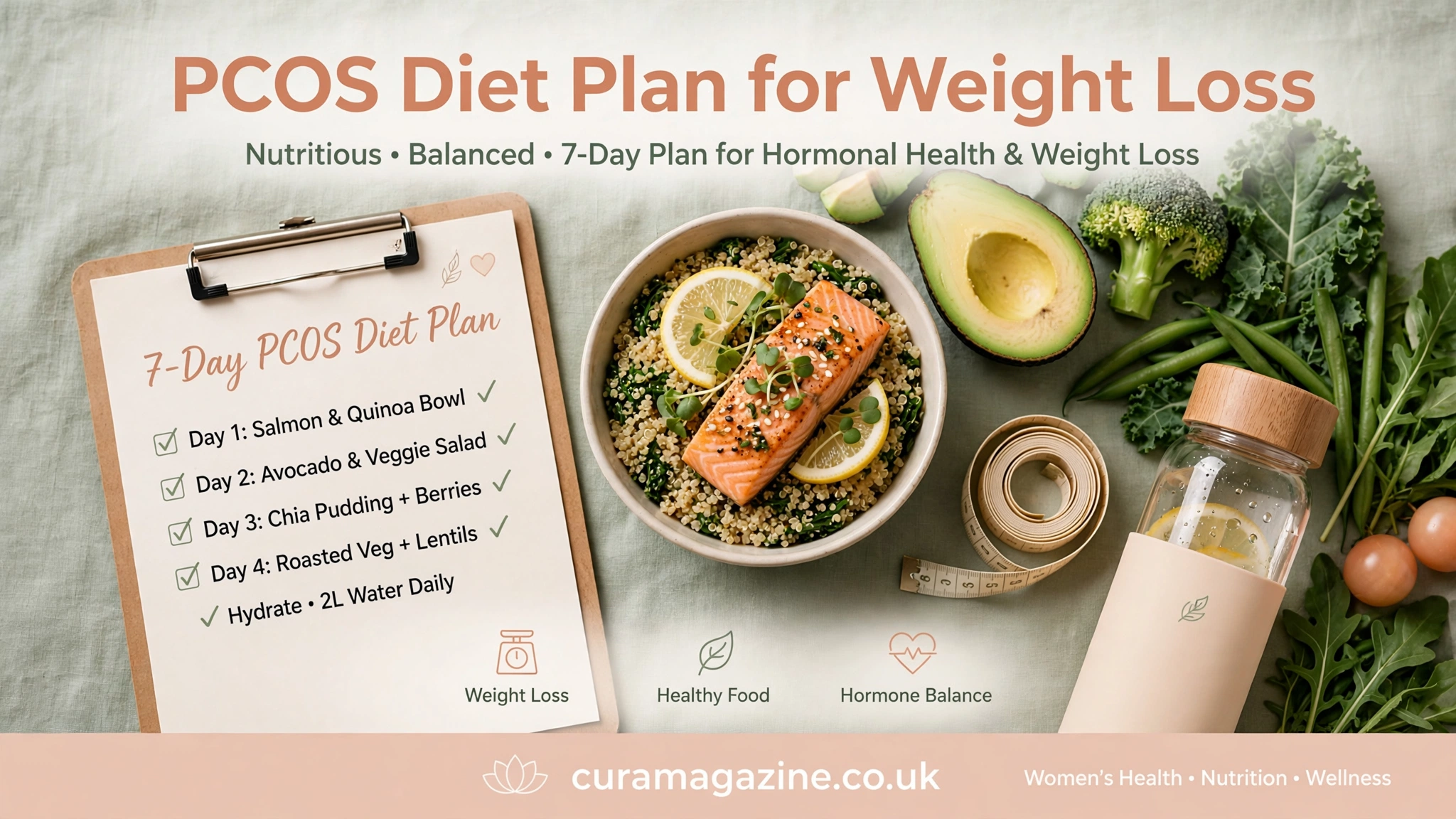
A PCOS-friendly diet for weight loss does not need to be extremely restrictive or eliminate carbohydrates. The most useful approach is usually a balanced eating pattern built around vegetables, protein, high-fiber carbohydrates, healthy fats, and minimally processed foods, with portions adjusted to your individual energy needs.
For people with PCOS who have overweight or obesity, even modest weight loss may improve some metabolic and reproductive outcomes. At the same time, weight is only one part of PCOS care, and people with PCOS can benefit from healthy eating and physical activity regardless of whether weight loss is a goal.
What Is the Best Diet for PCOS?
No particular diet has been shown to work best for everyone living with PCOS. Mediterranean-style eating patterns, lower-glycemic approaches, higher-fiber diets, and other balanced patterns can all be adapted to support blood-sugar control, heart health, and sustainable weight management.
The key is consistency rather than finding a perfect list of “PCOS foods.” A diet that provides adequate nutrition and that you can realistically follow for months is generally more useful than a highly restrictive plan that produces rapid weight loss but is difficult to maintain.
How PCOS Can Affect Weight and Metabolism
Insulin resistance is a common metabolic feature among many women with PCOS. Insulin is a hormone that helps move glucose from the bloodstream into cells, and when the body responds less effectively to insulin, the pancreas may compensate by producing more.
Insulin resistance can interact with hormonal changes in PCOS and may make weight management more difficult for some people. However, it is important not to assume that every woman with PCOS has insulin resistance or that body weight is simply a matter of willpower.
Genetics, sleep, stress, medications, activity levels, appetite, and many other factors also influence body weight.
Build Meals Around Protein
Protein can make meals more filling and can help preserve lean muscle while losing weight. Including a protein source at most meals can therefore make a calorie-controlled eating pattern easier to maintain.
Good options include eggs, fish, chicken, lean meat, Greek yogurt, cottage cheese, milk, tofu, tempeh, beans, lentils, and chickpeas. Nuts and seeds also contain protein, although they are relatively calorie-dense and are best eaten in sensible portions when weight loss is the goal.
You do not need to eat animal products to follow a PCOS-friendly diet. Combining legumes, whole grains, dairy or fortified alternatives, nuts, seeds, and other plant foods can provide substantial nutrition in a vegetarian or plant-forward eating pattern.
Choose High-Fiber Carbohydrates
Carbohydrates do not need to be removed from a PCOS diet. Instead, emphasize higher-fiber and less-refined sources that provide nutrients and tend to digest more slowly.
Useful choices include oats, barley, brown rice, quinoa, whole-grain bread, whole-wheat roti, beans, lentils, chickpeas, sweet potatoes, and other minimally processed whole grains and starchy vegetables.
Pairing carbohydrates with protein, vegetables, or healthy fats can also make a meal more satisfying. For example, lentils with vegetables and a whole-grain roti provide a very different nutritional profile from a meal consisting primarily of refined flour.
Eat Plenty of Vegetables
Vegetables provide fiber, vitamins, minerals, and a variety of plant compounds while generally contributing relatively few calories. Making vegetables a substantial part of lunch and dinner can increase the volume and nutritional value of meals without relying heavily on highly processed foods.
Aim for variety rather than focusing on one “superfood.” Leafy greens, tomatoes, carrots, cucumbers, peppers, cauliflower, broccoli, eggplant, okra, cabbage, mushrooms, and other vegetables can all fit comfortably into a PCOS-friendly eating pattern.
Fresh, frozen, and appropriately prepared canned vegetables can all be useful. The best choice is often whichever option makes it easiest for you to eat vegetables regularly.
Include Healthy Fats
Fat is an essential nutrient, and eliminating it completely is neither necessary nor desirable. The focus should be on choosing mostly unsaturated fat sources while keeping portions appropriate for your overall calorie needs.
Good choices include olive oil, avocado, walnuts, almonds, peanuts, chia seeds, flaxseeds, sunflower seeds, and fatty fish such as salmon, sardines, or mackerel.
Because fats are energy-dense, large portions can add substantial calories even when the food itself is nutritious. A small amount of oil, nuts, or seeds can therefore go a long way in a weight-loss meal plan.
Fruit Can Be Part of a PCOS Diet
Whole fruit does not need to be avoided because of its natural sugar. Fruit provides fiber, vitamins, minerals, and other beneficial compounds, particularly when eaten whole rather than consumed as juice.
Apples, oranges, berries, guava, pears, peaches, kiwi, melon, and other fruits can all be included. Pairing fruit with a source of protein or fat, such as plain yogurt or a small serving of nuts, can create a more filling snack.
Fruit juice is different from whole fruit because much of the fiber is removed and it is easier to consume a large amount quickly. For weight management, whole fruit is generally the more practical everyday choice.
Foods to Eat More Often
A practical PCOS-friendly diet can be built around everyday, affordable foods instead of costly specialty products.
Build most meals around vegetables, lean or plant-based protein, whole grains or other high-fiber carbohydrates, fruit, and healthy sources of fat. Beans, lentils, chickpeas, eggs, yogurt, fish, chicken, tofu, oats, whole grains, nuts, seeds, and vegetables can form the foundation of many different meals.
This approach also leaves room for foods you enjoy. A sustainable eating pattern does not require every meal to be perfectly optimized.
Foods to Limit
Foods high in added sugar and refined carbohydrates can make it harder to maintain a calorie deficit and may provide relatively little fiber or nutritional value. Examples include sugary drinks, sweets, pastries, many highly processed snack foods, and frequent large portions of refined grains.
You do not necessarily need to eliminate these foods permanently. Instead, consider how often you eat them and whether they are replacing more nutritious foods.
Sugar-sweetened beverages are particularly easy to overlook because they can contribute substantial calories without providing the fullness associated with solid food. Replacing them with water, unsweetened tea, or another low-calorie beverage can be a simple change.
A Simple PCOS Breakfast
A balanced breakfast can contain protein, fiber, and a source of healthy fat or fruit. For example, you could have two eggs with vegetables and a whole-grain roti, or plain Greek yogurt with berries, oats, and a small amount of nuts.
Another option is oatmeal prepared with milk or an unsweetened fortified alternative, topped with fruit and seeds. If you prefer a savory breakfast, chickpea or lentil-based dishes can provide both protein and fiber.
The ideal breakfast is the one that keeps you satisfied and fits your normal schedule. You do not have to eat breakfast if you prefer another meal pattern, provided your overall diet remains nutritionally adequate.
PCOS-Friendly Lunch Ideas
Lunch can follow a simple plate structure: fill a substantial portion with vegetables, add a protein source, and include a sensible serving of high-fiber carbohydrates.
For a South Asian-style meal, this might mean dal with mixed vegetables and one or two small whole-wheat rotis, accompanied by plain yogurt or a protein-rich side. Another option is grilled chicken or fish with a large salad and a modest serving of brown rice.
Portion sizes should be individualized. Someone with higher energy requirements may need more food than someone with lower requirements, so a rigid portion plan is not appropriate for everyone.
Healthy Dinner Ideas
Dinner can use the same basic structure as lunch. Try combining a generous serving of vegetables with fish, chicken, tofu, beans, lentils, or another protein source and a moderate portion of whole grains or another high-fiber carbohydrate.
Examples include grilled fish with roasted vegetables and brown rice, chicken and vegetable stir-fry with a small serving of whole-grain rice, or lentil curry with vegetables and whole-wheat roti.
If dinner tends to be your largest meal, there is no need to force yourself into an arbitrary eating schedule. Instead, look at your overall intake and whether your meals help you manage hunger throughout the day.
PCOS Snack Ideas
Snacks can be useful when you are genuinely hungry between meals, although they are not mandatory. Choose options that provide some combination of protein, fiber, or healthy fat.
Plain yogurt with fruit, an apple with a small amount of peanut butter, a boiled egg with vegetables, roasted chickpeas, or a small portion of nuts can all work.
If you find yourself constantly hungry despite eating regular meals, adding a snack may be more useful than trying to suppress hunger. Persistent excessive hunger can also be worth discussing with a healthcare professional, particularly if it is accompanied by other symptoms.
A Sample 7-Day PCOS Meal Plan
Day 1
Breakfast can be eggs with spinach, tomatoes, and whole-grain toast. Lunch could be lentil dal with mixed vegetables and whole-wheat roti, followed by plain yogurt.
For dinner, try grilled chicken, a large vegetable salad, and a modest serving of brown rice. Fruit can be used as a snack if you are hungry during the day.
Day 2
Start with oatmeal made with milk or an unsweetened fortified alternative, topped with berries and a few walnuts. Lunch could be chickpea salad with vegetables, plain yogurt, and a whole-grain roti.
Dinner can be baked fish with roasted vegetables and a small serving of quinoa or brown rice.
Day 3
A vegetable omelet with whole-grain toast makes a protein-rich breakfast. For lunch, consider chicken or tofu with a large salad and a serving of whole grains.
Dinner could be bean or lentil curry with vegetables and a small serving of brown rice or whole-wheat roti.
Day 4
Plain Greek yogurt with fruit, oats, and chia seeds can provide a quick breakfast. Lunch could be grilled chicken or paneer with vegetables and a whole-grain roti.
For dinner, try a vegetable and lentil soup with a side salad and a small serving of whole-grain bread.
Day 5
Have scrambled eggs with vegetables and whole-wheat toast for breakfast. Lunch might include fish, salad, vegetables, and brown rice.
Dinner can be tofu or chicken stir-fried with several vegetables and served with a modest portion of whole-grain rice.
Day 6
Oatmeal with apple, cinnamon, and a small serving of nuts can make an easy breakfast. Lunch could be dal with vegetables, plain yogurt, and whole-wheat roti.
For dinner, choose grilled fish or chicken with steamed vegetables and a small baked sweet potato.
Day 7
A vegetable omelet with yogurt and fruit can provide a filling breakfast. Lunch could be a chickpea and vegetable bowl with a whole grain.
For dinner, try a homemade vegetable-rich chicken, fish, tofu, or bean dish with a moderate serving of brown rice or whole-wheat roti.
This is an example rather than a medically prescribed seven-day diet. Calorie requirements, food preferences, allergies, cultural eating patterns, activity levels, medications, and medical conditions can all change what an appropriate plan looks like.
Portion Control Without Extreme Restriction
Weight loss generally requires consuming fewer calories than the body uses over time, but that does not mean you need to weigh every ingredient or feel hungry throughout the day.
A practical approach is to make vegetables a major component of meals, include a clear protein source, choose a reasonable carbohydrate portion, and use calorie-dense fats in moderation. Eating slowly and paying attention to hunger and fullness can also help.
If portions have gradually become larger, reducing them modestly may be more sustainable than suddenly cutting food intake to very low levels.
Should You Avoid Carbs With PCOS?
No. There is no general requirement for women with PCOS to eliminate carbohydrates.
The quality and quantity of carbohydrates matter more than simply labeling them “good” or “bad.” Whole grains, legumes, vegetables, and whole fruit can provide valuable fiber and nutrients, whereas heavily refined and sugar-rich foods are generally less nutritious.
Some people find that a moderately lower-carbohydrate pattern helps with appetite or blood-sugar management. Others do better with a balanced diet containing substantial amounts of high-fiber carbohydrates. The appropriate pattern depends on the individual.
Is a Low-Carb Diet Better for PCOS?
Lower-carbohydrate diets can help some people lose weight, particularly when they make it easier to reduce overall calorie intake. However, they are not automatically superior for everyone with PCOS.
A very restrictive low-carbohydrate diet can also make it harder to consume enough fiber, fruit, legumes, and whole grains. If you choose to reduce carbohydrates, prioritize nutrient-dense sources rather than eliminating entire food groups without a clear reason.
What About Intermittent Fasting?
Intermittent fasting can be one way to structure meals, but it is not required for PCOS weight management. Its usefulness depends largely on whether the eating schedule helps you maintain an appropriate overall intake while still meeting your nutritional needs.
Some people find time-restricted eating convenient, while others become excessively hungry or compensate by eating very large meals. There is no need to use fasting if a regular meal schedule works better for you.
Anyone who is pregnant, breastfeeding, has a history of an eating disorder, uses glucose-lowering medication, or has another relevant medical condition should discuss fasting with a healthcare professional before trying it.
Exercise and PCOS Weight Management
Diet is only one part of a healthy PCOS management strategy. Regular physical activity can support cardiovascular health, insulin sensitivity, fitness, mood, and weight management.
A combination of aerobic activity and resistance training can be useful. Walking, cycling, swimming, dancing, strength training, and other activities can all count.
You do not need to begin with an intense workout program. Starting with manageable activity and gradually increasing duration or intensity can be more realistic for someone who has been inactive.
Sleep and Stress Matter Too
Sleep and stress can influence appetite, energy, mood, and metabolic health. Poor sleep can make it more difficult to maintain healthy eating and activity patterns, while chronic stress may affect eating behavior and overall well-being.
A consistent sleep schedule, adequate sleep, regular physical activity, and practical stress-management strategies can therefore complement dietary changes.
These habits should not be presented as a cure for PCOS. They are part of broader health management and may make other aspects of treatment easier to sustain.
Are Supplements Necessary?
Most people should not assume they need a long list of supplements simply because they have PCOS. Supplements can interact with medications, vary in quality, and may be unnecessary when nutritional needs are already being met through food.
Some supplements have been studied in PCOS, including inositol and vitamin D, but evidence varies depending on the supplement, dose, outcome, and individual circumstances. A supplement should not replace established medical treatment or a nutritious diet.
If you are considering supplements for PCOS, discuss them with a qualified healthcare professional who can take your medical history and medications into account.
How Fast Should You Lose Weight?
A gradual rate of weight loss is generally easier to maintain than rapid, extreme dieting. The appropriate rate varies according to starting weight, calorie intake, activity, medications, and individual, fitness, waist measurements, eating habits, blood-sugar markers, menstrual helpful if you have PCOS and are struggling with weight management, irregular periods, fertility concerns, diabetes risk, or significant changes health circumstances.
The scale is also not the only useful measure of progress. Improvements in energy, fitness, waist measurements, eating habits, blood-sugar markers, menstrual regularity, or other health indicators may also matter.
If weight is not changing despite sustained efforts, that does not necessarily mean you are failing. Medication effects, thyroid disorders, sleep problems, insulin resistance, dietary intake, and other factors may need to be considered.
When to Get Professional Help
A registered dietitian or healthcare professional can be particularly helpful if you have PCOS and are struggling with weight management, irregular periods, fertility concerns, diabetes risk, or significant changes in eating behavior.
A personalized plan is especially important if you are pregnant or breastfeeding, have diabetes, take medications that affect blood sugar, have kidney or liver disease, or have a history of disordered eating.
PCOS treatment should address your health as a whole rather than focusing exclusively on the number on the scale.
Final Takeaway
A PCOS diet for weight loss does not have to be complicated. Build meals around vegetables and other high-fiber foods, include adequate protein, choose mostly minimally processed carbohydrates, use healthy fats in sensible portions, and limit sugary drinks and highly refined foods.
The goal is not a perfect “PCOS food list.” A balanced eating pattern that fits your culture, budget, preferences, schedule, and health needs is much more likely to become a sustainable long-term habit.
If weight loss is appropriate for you, gradual changes can be more practical than severe restriction. And because PCOS affects people differently, working with a healthcare professional can help turn general nutrition principles into a plan that is appropriate for your individual circumstances.
