


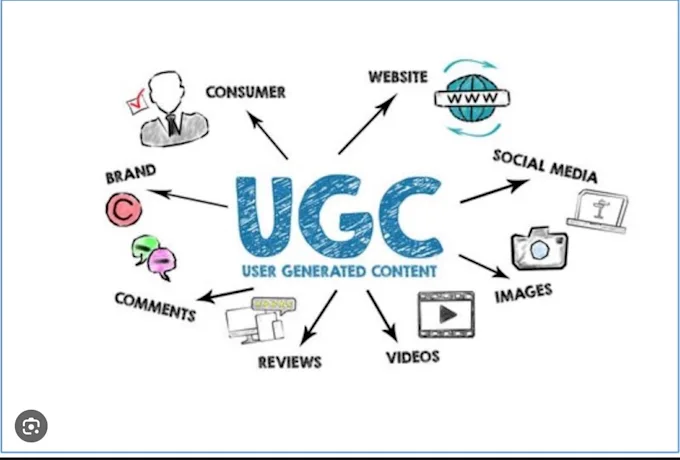
A UGC (User-Generated Content) creator is someone who produces authentic-looking photos, videos, product reviews, testimonials, and social media content for brands to use in their marketing campaigns. Unlike traditional influencers, UGC creators do not necessarily need thousands of followers or an established social media audience to earn money.
The easiest way to become a UGC creator in 2026 is to choose a niche, learn basic video production, create a small portfolio, approach brands, and offer content creation services. You can start with a smartphone, natural lighting, simple editing software, and a willingness to experiment with different content styles.
UGC has become an attractive opportunity for beginners, students, freelancers, and content enthusiasts because businesses increasingly need relatable videos and authentic product demonstrations for platforms such as TikTok, Instagram, Facebook, and YouTube Shorts.
However, becoming a successful UGC creator involves more than recording yourself using a product. You need to understand brand expectations, create engaging videos, communicate professionally, negotiate payment, and deliver content that helps businesses reach their marketing goals.
This guide explains how UGC creation works, what skills you need, how to build a portfolio, where to find clients, how much you can earn, and how to turn content creation into a sustainable freelance business in 2026.
What Does a UGC Creator Actually Do?
A UGC creator produces marketing content that looks natural, relatable, and suitable for social media audiences. Brands use this content to introduce products, demonstrate features, explain services, and build trust with potential customers.
For example, a skincare company might hire a creator to record a short video showing how a moisturizer feels, explaining its texture, and demonstrating how it fits into a daily skincare routine.
Similarly, a technology company might request an unboxing video, while a food business could commission a product demonstration or recipe-style video.
The creator is responsible for producing the agreed content, while the brand generally decides how and where it will be published according to the contract.
Common UGC deliverables include product demonstrations, unboxing videos, testimonials, tutorials, lifestyle photography, product comparisons, and short-form advertisements.
One important distinction is that UGC creators do not always publish content on their own social media accounts. Many are hired simply to produce videos that brands publish on their official profiles or use in paid advertisements.
UGC Creator vs. Influencer: What Is the Difference?
UGC creators and influencers both produce social media content, but their business models are different.
An influencer generally earns money through their audience, reach, reputation, and ability to influence purchasing decisions. Brands pay them to publish sponsored posts, recommend products, or promote campaigns to their followers.
A UGC creator is primarily paid for producing content. Their follower count is often less important than their filming ability, presentation, storytelling, and understanding of marketing.
For example, an influencer with 100,000 followers might charge a company to publish a sponsored product review. A UGC creator with only 300 followers could produce the same type of video and deliver the finished file directly to the brand.
This distinction makes UGC an accessible opportunity for people who enjoy creating videos but do not want to build a large personal audience.
Why Is UGC Content Popular in 2026?
Businesses increasingly compete for attention across crowded social media platforms. Traditional advertisements can sometimes feel overly promotional, while relatable videos often make products easier to understand.
UGC-style content helps brands present products through demonstrations, everyday experiences, tutorials, and customer-focused storytelling.
Short-form video is particularly important because platforms such as TikTok, Instagram Reels, and YouTube Shorts encourage viewers to discover content through recommendation feeds.
Brands can also test multiple creative approaches without relying on a single expensive advertising production. They might commission several creators to produce different introductions, product demonstrations, or calls to action.
This creates opportunities for independent creators who can consistently produce useful, engaging, and professionally delivered content.
However, UGC is not guaranteed to generate sales. Successful campaigns depend on the product, audience, creative quality, distribution, and overall marketing strategy.
10 Steps to Become a UGC Creator in 2026
Starting a UGC career does not require expensive equipment or a large following. A structured approach can help beginners move from practicing content creation to finding their first paying clients.
1. Choose a UGC Niche
The first step is deciding what type of products or services you want to create content for.
Choosing a niche helps you develop a recognizable style and makes it easier for brands to understand what you offer.
Popular UGC niches include beauty, skincare, fashion, technology, food, fitness, travel, home products, parenting, and lifestyle.
For example, someone interested in skincare might focus on product demonstrations, routine videos, packaging details, and ingredient explanations.
A technology-focused creator could produce gadget unboxings, application tutorials, product comparisons, and demonstrations of useful features.
You do not need to restrict yourself permanently to one category. Starting with two related niches can provide enough flexibility while keeping your portfolio focused.
2. Learn the Basics of Video Creation
Good UGC content does not require professional filmmaking equipment, but it does require an understanding of basic production.
Learn how to frame a shot, use natural lighting, record clear audio, and keep the camera steady.
You should also practice speaking naturally and explaining products without sounding as though you are reading a promotional script.
Short-form videos often benefit from an engaging opening, a clear demonstration, and a simple conclusion.
For example, instead of beginning with a lengthy introduction, a skincare video could start with a question about a common skincare concern before showing the product.
Study advertisements and creator videos from brands in your chosen niche. Pay attention to their pacing, visual structure, captions, and presentation.
3. Get Basic Equipment
You can start creating UGC content with equipment you already own.
A modern smartphone is generally sufficient for recording beginner-level product videos. Good lighting, clear audio, and stable framing often matter more than purchasing an expensive camera.
Useful beginner equipment includes:
- A smartphone with a reliable camera.
- A tripod or phone stand.
- A basic microphone.
- Natural window lighting or an affordable ring light.
- A clean and uncluttered filming background.
- Editing software such as CapCut or Canva.
You do not need to purchase everything immediately. Begin with your phone, natural light, and a stable surface, then upgrade your equipment as your client work grows.
4. Practice Creating Different Types of UGC Videos
Before approaching brands, create several examples that demonstrate your abilities.
Try producing different content formats rather than making five videos that all look the same.
A useful beginner portfolio could include:
Unboxing video: Show the packaging, product appearance, and first impressions.
Product demonstration: Explain how an item works and show its main features.
Problem-and-solution video: Introduce a common problem and demonstrate how the product may help.
Testimonial-style video: Share an honest experience using a product you have actually tried.
Tutorial video: Explain how to use a product or service through clear steps.
Lifestyle video: Show how a product fits naturally into an everyday routine.
These practice videos help you understand different storytelling styles and give potential clients something concrete to evaluate.
If you do not have brand sponsorships yet, use products you already own. Clearly identify your practice projects as self-initiated portfolio content rather than pretending they are paid partnerships.
5. Build a Professional UGC Portfolio
Your portfolio is one of the most important tools for finding clients.
It gives businesses an opportunity to review your filming quality, editing ability, presentation style, and understanding of their products.
You can create a simple portfolio using Canva, Notion, Google Drive, or a personal website.
Include a short introduction explaining who you are, your preferred niches, and the content services you provide.
Add approximately five to eight strong sample videos rather than uploading every experiment you have ever created.
For each example, explain the format and type of content. For example, label a video as a skincare product demonstration or a technology unboxing.
Your portfolio should also include your contact details, available services, and a clear way for brands to request pricing.
You do not need an expensive website when starting. A clean, well-organized portfolio with accessible video samples is enough to begin approaching potential clients.
6. Create Social Media Profiles
Although UGC creators do not need large audiences, professional social media profiles can help potential clients discover their work.
Instagram, TikTok, and LinkedIn are useful platforms for showcasing content and connecting with businesses.
Create a simple biography explaining that you are a UGC creator and identifying your main content categories.
For example, a beauty creator could describe their services as skincare demonstrations, beauty product videos, and short-form lifestyle content.
Publish selected portfolio examples and behind-the-scenes videos to demonstrate your creative process.
You can also use relevant hashtags and engage with brands in your chosen niche.
Remember that a professional portfolio and direct communication are generally more important than having thousands of followers.
7. Find Brands That Work With UGC Creators
Finding your first clients can be one of the most challenging parts of starting a UGC career.
Begin by researching small and medium-sized businesses that already use video marketing.
Look for brands posting product demonstrations, customer testimonials, unboxing videos, and short advertisements.
Check whether their current content could benefit from different creative approaches.
You can also explore dedicated creator marketplaces and freelance platforms.
Examples include:
- Billo: A platform connecting brands with video creators.
- Insense: A creator marketplace for branded content and influencer campaigns.
- JoinBrands: A platform offering opportunities for UGC creators.
- Collabstr: A marketplace for discovering creators and brand partnerships.
- Upwork: A freelance marketplace where businesses post content creation projects.
- Fiverr: A platform where creators can offer video production services.
Platform eligibility, fees, payment methods, and availability vary by country. Creators in Pakistan should verify registration and withdrawal options before investing time in any marketplace.
8. Learn How to Pitch Brands
A good portfolio is useful, but brands also need to know why they should hire you.
Your pitch should be short, personalized, and focused on the business rather than simply asking for free products.
Research the company before contacting it. Mention a particular product or content opportunity and explain what type of video you could create.
For example, a beauty brand might benefit from a short product demonstration, while a technology company might need an easy-to-understand tutorial.
Include a link to your portfolio and explain how the proposed content could fit the company’s marketing goals.
Avoid sending identical generic messages to hundreds of businesses. Personalized outreach generally provides a more professional impression.
9. Set Your UGC Rates
Once a brand shows interest, you need to decide how much to charge.
Pricing depends on video length, production complexity, editing requirements, revisions, delivery time, and usage rights.
A basic beginner video may cost less than a professionally scripted advertisement requiring multiple scenes, product demonstrations, and several editing versions.
You should also distinguish between organic usage and paid advertising usage.
Organic usage means a brand publishes your content through its regular social media channels. Paid advertising usage allows the brand to use your content in advertisements, which can have greater commercial value.
Your agreement should clearly state the number of videos, included revisions, delivery schedule, payment terms, and permitted usage.
Avoid giving unlimited advertising rights for a small one-time payment without understanding the long-term value of your work.
10. Deliver Quality Work and Build Long-Term Relationships
Getting your first client is an important milestone, but building repeat business is what can make UGC a more sustainable source of income.
Before production, confirm the brief, target audience, video format, product information, and delivery expectations.
Send drafts according to the agreed schedule and make the included revisions professionally.
Do not invent product benefits, make unsupported health claims, or present fictional personal experiences as genuine testimonials.
After delivering the final content, ask whether the brand needs additional creative variations or future campaign support.
Satisfied clients may return with new projects or recommend your services to other businesses.
How Much Can a UGC Creator Earn in 2026?
UGC creator earnings vary considerably. Beginners may earn modest amounts while building their portfolios, whereas experienced creators with strong production skills and repeat clients can charge substantially more.
There is no universal UGC rate because every project has different requirements.
As an illustrative starting point, independent creators might experiment with the following pricing ranges:
| Service | Illustrative beginner rate |
|---|---|
| Short UGC video | $50–$100 |
| Edited product demonstration | $75–$150 |
| Unboxing video | $50–$125 |
| Product photography package | $40–$100 |
| Three-video package | $150–$300 |
| Additional advertising usage | Negotiated separately |
These are suggested example rates, not guaranteed industry averages or fixed marketplace prices. Actual rates depend on client budgets, creator experience, production quality, market demand, and licensing terms.
For creators in Pakistan, international clients may offer access to higher budgets than some local businesses. However, payment processing, currency conversion, platform fees, and taxes should be included when calculating actual earnings.
The best strategy is to start with competitive prices, improve your production quality, collect genuine client testimonials, and gradually increase your rates as demand grows.
Best UGC Content Ideas for Beginners
If you are unsure what to record for your first portfolio, start with simple formats that demonstrate different creative skills.
Beauty and skincare: Film a product texture demonstration, morning routine, packaging reveal, or application tutorial.
Technology: Record an unboxing, explain useful features, demonstrate an application, or compare product functions.
Fashion: Create outfit combinations, styling demonstrations, clothing details, and accessory videos.
Food: Produce recipe demonstrations, product preparation videos, packaging reveals, and taste reviews based on genuine experience.
Home and lifestyle: Show how a household product works, organize a room, demonstrate a cleaning tool, or create a simple home improvement video.
Apps and digital products: Record screen demonstrations, explain useful features, show how to complete a task, or create a beginner tutorial.
The goal is to demonstrate that you can present products clearly and make content suitable for a brand’s intended audience.
Best Tools for UGC Creators in 2026
The right tools can make content creation easier, particularly when you are managing several projects.
| Tool | Main purpose |
|---|---|
| CapCut | Video editing |
| Canva | Portfolio and graphic design |
| ChatGPT | Scripts and content ideas |
| Google Drive | File storage and delivery |
| Notion | Project and client organization |
| Trello | Content production planning |
| Lightroom | Photo editing |
| InShot | Mobile video editing |
You do not need every tool on this list. A smartphone, CapCut, Canva, and Google Drive are enough to handle many beginner projects.
As your workload increases, you can introduce additional tools for client management, contracts, scheduling, and financial tracking.
How to Become a UGC Creator in Pakistan
Pakistan offers opportunities for aspiring UGC creators because local businesses, e-commerce brands, clothing companies, restaurants, skincare businesses, and digital service providers increasingly use social media to promote their products.
You do not need to relocate or own expensive equipment to begin.
Start by identifying local businesses that could benefit from better short-form video content. Pakistani clothing labels, beauty brands, restaurants, technology stores, and home-product businesses can all be potential clients.
Create a portfolio featuring products that are relevant to your preferred niche. For example, a fashion creator could demonstrate clothing details, styling ideas, and outfit combinations.
You can approach brands through Instagram, LinkedIn, business email addresses, and freelance marketplaces.
For international opportunities, platforms such as Upwork and Fiverr can help you reach clients outside Pakistan. However, always check current identity verification requirements, platform restrictions, withdrawal methods, and payment fees.
It is also worth developing communication skills in English if you want to work with international businesses. Clear proposals, professional emails, and reliable delivery can make a significant difference.
When working with local clients, agree on payment currency, delivery dates, revisions, and content usage rights before starting production.
Common Mistakes New UGC Creators Should Avoid
Many beginners assume that purchasing expensive equipment or gaining followers is the fastest route to success. In reality, the biggest improvements often come from better storytelling, consistent practice, and professional communication.
One common mistake is creating a portfolio filled with random videos that do not demonstrate a particular skill. Brands should be able to understand your content style quickly.
Another mistake is copying viral videos without considering the product or target audience. Trends can provide inspiration, but a successful brand video needs a clear purpose.
Beginners also sometimes accept unlimited revisions, unclear usage rights, or unpaid work without understanding what they are agreeing to.
Never purchase fake followers, fabricate testimonials, or claim that a brand has hired you when it has not. These shortcuts can damage your credibility.
Finally, do not rely on a single client or platform. Building relationships with different businesses and maintaining an independent portfolio can provide greater stability.
UGC Creator Contract: What Should You Include?
A written agreement protects both the creator and the business.
Before accepting a project, confirm the scope of work and make sure the agreement covers the important details.
Include the number of videos or photos, video length, editing requirements, delivery deadline, payment amount, payment schedule, and number of included revisions.
You should also specify how the brand can use the content. Organic social media posting, paid advertisements, website placement, and long-term licensing are different usage arrangements.
If the brand wants to use your face, voice, or content in additional campaigns, clarify whether that requires additional permission or compensation.
Also establish whether the brand can edit the content, add captions, create variations, or use it in partnership advertisements.
A simple written agreement can prevent misunderstandings and make your freelance work more professional.
Frequently Asked Questions About Becoming a UGC Creator
1. Can I become a UGC creator with no experience?
Yes. You can begin by creating practice videos using products you already own. Build a small portfolio, learn basic editing, and approach brands with examples of your work.
2. Do UGC creators need followers?
No. UGC creators are generally hired for their content production skills rather than their audience size. However, a social media presence can help brands discover your work.
3. How much does a beginner UGC creator earn?
Beginner earnings depend on the number of projects, client budgets, and content requirements. Some creators start with small projects worth $50–$100, while others charge different amounts based on their market and services.
4. Can I become a UGC creator using only my phone?
Yes. A smartphone with a reliable camera is sufficient for many beginner projects. Good lighting, clear audio, stable framing, and thoughtful editing are more important than expensive equipment.
5. Is UGC creation a real job?
Yes. Businesses hire independent creators to produce videos, product demonstrations, photographs, testimonials, and other marketing assets. It can be operated as a freelance service or a dedicated creative business.
6. How do I find my first UGC client?
Create a portfolio, research brands in your niche, and send personalized pitches through email or social media. You can also explore freelance marketplaces and UGC creator platforms.
7. Do I need to show my face in UGC videos?
Not always. Faceless UGC is possible through product demonstrations, hands-only videos, unboxing content, screen recordings, voiceovers, and lifestyle footage.
8. Which platform is best for UGC creators?
There is no single best platform. Instagram, TikTok, LinkedIn, Upwork, Fiverr, Billo, and Insense can all be useful depending on your target clients and geographic eligibility.
9. Can I become a UGC creator in Pakistan?
Yes. You can work with local businesses or pursue international freelance clients. Your main priorities should be building a strong portfolio, developing production skills, and choosing payment methods that work in your country.
10. Is UGC creation suitable for students?
Yes. UGC can be a flexible side business for students because many projects can be completed remotely and scheduled around studies. However, deadlines and client commitments still need to be managed professionally.
11. What is the difference between organic UGC and paid UGC ads?
Organic UGC is generally published through a brand’s regular social media content. Paid UGC advertising is used in promotional campaigns, often with additional licensing and usage permissions.
12. How long does it take to become a UGC creator?
You can build a basic portfolio within a few weeks if you practice consistently. Getting paying clients may take longer because it depends on your skills, outreach, market demand, and ability to communicate your value.
Final Thoughts: Is Becoming a UGC Creator Worth It in 2026?
Becoming a UGC creator in 2026 can be a practical opportunity for people who enjoy video production, storytelling, product demonstrations, and digital marketing.
The biggest advantage is that you do not need a massive social media following or an expensive production studio to get started. A smartphone, basic editing skills, a focused niche, and a professional portfolio can provide a foundation for your first client projects.
However, success requires more than recording attractive videos. You must understand what brands need, communicate effectively, deliver content on time, negotiate fair payment, and respect content licensing agreements.
For beginners, the best approach is to start small. Choose a niche, create five to eight portfolio samples, build a professional presence, and begin contacting relevant businesses.
With consistent practice and genuine client relationships, UGC creation can develop from a creative side project into a freelance business with opportunities for long-term growth.
