


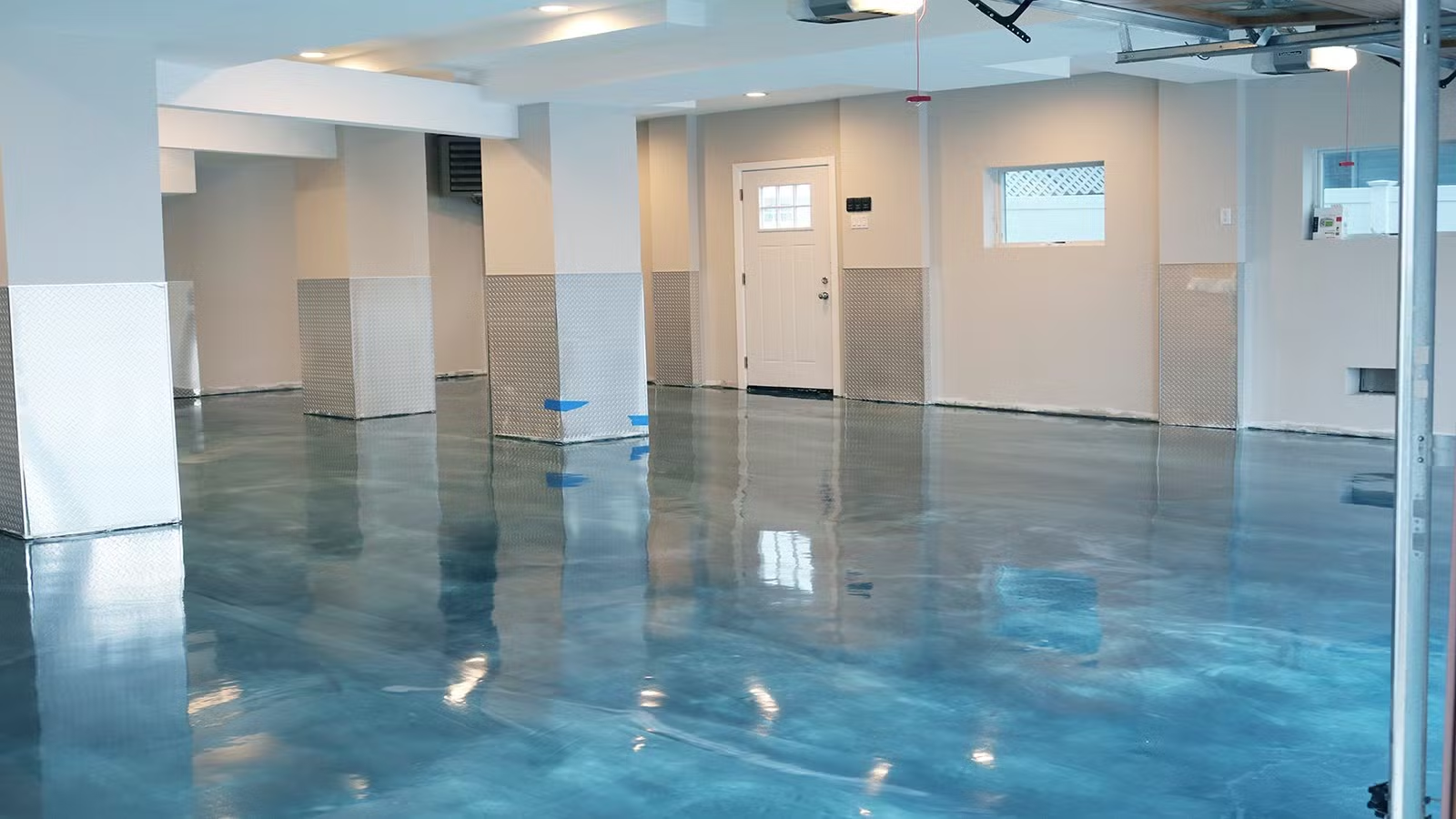
Epoxy flooring has become one of the most popular flooring solutions for residential, commercial, and industrial spaces due to its durability, attractive appearance, and long-lasting performance.
Whether you want to upgrade a garage, warehouse, basement, retail store, or commercial facility, epoxy flooring offers a seamless finish that combines strength with style. Its ability to withstand heavy traffic, chemicals, moisture, and wear makes it a preferred choice for property owners looking for a reliable flooring system.
This comprehensive guide explains everything you need to know about epoxy flooring, including how it works, its advantages and disadvantages, installation process, costs, maintenance requirements, and the best places to use it. By the end of this article, you’ll understand whether epoxy flooring is the right investment for your property.
What Is Epoxy Flooring?
Epoxy flooring is a protective surface coating created by combining epoxy resin with a hardening agent. When these two components are mixed, a chemical reaction occurs that forms a rigid, durable plastic-like material that bonds tightly to concrete surfaces.
Unlike ordinary floor paint, epoxy penetrates and adheres deeply to the concrete, creating a seamless, non-porous surface that is resistant to stains, chemicals, impacts, and abrasion.
Once fully cured, epoxy flooring becomes incredibly strong while maintaining a smooth, glossy appearance that enhances the overall look of the space. Modern epoxy flooring systems are available in numerous colors, textures, and decorative finishes, allowing homeowners and businesses to customize their floors according to their design preferences.
How Epoxy Flooring Works
Epoxy flooring begins with proper surface preparation. The concrete is cleaned, repaired, and mechanically ground to create a rough texture that allows the epoxy to bond effectively.
After the surface is prepared, a primer is applied to improve adhesion and seal the concrete. Multiple epoxy layers are then installed depending on the desired finish and performance level.
Some flooring systems include decorative flakes, metallic pigments, quartz aggregates, or anti-slip materials before the final protective topcoat is added.
Once cured, the floor forms a continuous surface without joints or grout lines, making it highly resistant to moisture, dirt, bacteria, and everyday wear.
Types of Epoxy Flooring
Self-Leveling Epoxy Flooring
Self-leveling epoxy creates an exceptionally smooth and glossy finish that automatically fills minor imperfections in concrete.
This type is commonly used in garages, hospitals, retail stores, warehouses, and commercial buildings where a clean, professional appearance is required.
Flake Epoxy Flooring
Flake epoxy contains decorative vinyl flakes embedded within the coating.
Besides improving aesthetics, these flakes also enhance slip resistance and help hide scratches, dirt, and minor surface imperfections.
Metallic Epoxy Flooring
Metallic epoxy uses special pigments that produce stunning three-dimensional visual effects.
It is often selected for luxury homes, restaurants, hotels, salons, and modern commercial interiors where appearance is a major priority.
Quartz Epoxy Flooring
Quartz epoxy incorporates colored quartz granules into the coating system.
The result is an extremely durable, slip-resistant surface suitable for schools, healthcare facilities, locker rooms, and industrial environments.
Anti-Static Epoxy Flooring
Anti-static epoxy is designed to reduce static electricity.
It is commonly installed in electronics manufacturing plants, laboratories, data centers, and medical facilities where static discharge can damage sensitive equipment.
Advantages of Epoxy Flooring
Exceptional Durability
One of epoxy flooring’s biggest advantages is its impressive lifespan.
A professionally installed epoxy floor can last 10 to 20 years or even longer with proper maintenance, making it an excellent long-term investment.
High Chemical Resistance
Epoxy resists oil, gasoline, solvents, acids, cleaning chemicals, and many industrial substances.
This makes it ideal for garages, factories, workshops, and manufacturing facilities where chemical spills are common.
Attractive Appearance
Modern epoxy flooring offers endless design possibilities.
Homeowners and businesses can choose from solid colors, decorative flakes, metallic finishes, custom logos, and textured surfaces that complement any interior style.
Easy Maintenance
Since epoxy flooring is seamless and non-porous, dirt and liquids remain on the surface instead of penetrating the floor.
Routine sweeping and occasional mopping are usually sufficient to keep it looking clean and polished.
Moisture Resistance
Epoxy creates a waterproof barrier that helps protect concrete from moisture damage.
This makes it particularly useful in basements, garages, kitchens, and utility rooms.
Increased Brightness
The reflective glossy surface improves light distribution throughout a room.
Many commercial facilities benefit from reduced lighting costs because epoxy flooring enhances overall brightness.
Disadvantages of Epoxy Flooring
Professional Installation Required
Although DIY kits are available, professional installation generally produces better results.
Improper mixing, poor surface preparation, or incorrect curing conditions can lead to peeling, bubbling, or premature failure.
Slippery When Wet
High-gloss epoxy surfaces may become slippery if water or oil is present.
However, anti-slip additives and textured finishes can significantly improve safety.
Installation Time
The installation process requires several stages, including cleaning, repairs, coating application, and curing.
Depending on the project size, complete installation may take several days before the floor can handle heavy traffic.
Surface Preparation Is Critical
Epoxy only performs well when installed over clean, dry, structurally sound concrete.
Cracks, moisture issues, or contamination must be corrected before installation begins.
Epoxy Flooring Installation Process
The installation process starts by thoroughly inspecting the concrete surface for cracks, moisture problems, or structural damage.
Repairs are completed before mechanical grinding removes old coatings and opens the concrete pores for maximum adhesion.
After cleaning all dust and debris, a primer coat is applied to improve bonding.
Multiple epoxy layers are then installed, followed by decorative elements if desired, and finally a protective topcoat that enhances durability and UV resistance.
The curing process typically takes between 24 and 72 hours for light foot traffic, while heavy equipment or vehicles may require several additional days before the floor reaches full strength.
How Much Does Epoxy Flooring Cost?
The total cost of epoxy flooring depends on several important factors, including project size, floor condition, coating thickness, design complexity, and geographic location.
Basic residential epoxy flooring generally costs between $3 and $7 per square foot.
Mid-range decorative systems usually range from $7 to $12 per square foot.
Premium metallic or custom epoxy flooring can cost $12 to $20 or more per square foot, especially for luxury finishes or commercial installations.
Although the initial investment may be higher than traditional floor coatings, epoxy’s durability often reduces long-term repair and replacement expenses.
Best Applications for Epoxy Flooring
Residential Garages
Epoxy protects garage floors from vehicle traffic, oil stains, tire marks, and moisture while creating a clean, polished appearance.
Warehouses
Heavy forklifts, pallet jacks, and constant foot traffic make epoxy an ideal warehouse flooring solution due to its exceptional strength.
Manufacturing Facilities
Factories benefit from epoxy’s chemical resistance, easy cleaning, and durability under demanding industrial conditions.
Retail Stores
Retail environments appreciate epoxy’s glossy finish, attractive appearance, and low maintenance requirements.
Hospitals and Healthcare Facilities
Seamless epoxy flooring reduces places where bacteria and dirt can accumulate, making sanitation easier.
Restaurants and Commercial Kitchens
Its resistance to grease, spills, moisture, and frequent cleaning makes epoxy highly suitable for food-service environments.
Basements
Epoxy helps protect basement floors from moisture while creating a bright, finished appearance.
Maintenance Tips for Epoxy Flooring
Proper maintenance helps extend the life of epoxy flooring significantly.
Sweep or dust the floor regularly to remove abrasive dirt and grit that could dull the surface over time.
Clean spills promptly using a soft mop and a mild cleaning solution.
Avoid harsh acidic cleaners or abrasive scrubbing pads that may damage the protective topcoat.
Place protective pads under heavy equipment or furniture whenever possible to minimize scratches and maintain the floor’s glossy finish.
Is Epoxy Flooring Worth It?
For many homeowners and businesses, epoxy flooring offers excellent value because it combines durability, aesthetics, and easy maintenance in a single flooring solution.
While installation costs can be higher than basic concrete paint, the extended lifespan and reduced maintenance requirements often make epoxy more cost-effective over time.
Property owners seeking a professional-looking floor capable of handling heavy use frequently find epoxy flooring to be one of the best long-term investments available.
Frequently Asked Questions
How long does epoxy flooring last?
Professionally installed epoxy flooring typically lasts between 10 and 20 years, depending on traffic levels, maintenance, and environmental conditions.
Can epoxy flooring be installed over old concrete?
Yes. Existing concrete can usually be coated with epoxy as long as it is structurally sound, clean, and properly prepared before installation.
Is epoxy flooring waterproof?
Epoxy is highly water-resistant and creates a non-porous surface that helps protect concrete from moisture penetration.
Can epoxy flooring crack?
The epoxy coating itself is flexible enough to resist minor movement, but significant concrete movement or existing structural cracks may eventually appear through the coating if not repaired beforehand.
Is epoxy flooring suitable for homes?
Absolutely. Epoxy flooring is widely used in garages, basements, laundry rooms, workshops, and even modern living spaces because of its durability and decorative options.
Conclusion
Epoxy flooring has earned its reputation as one of the most durable and versatile flooring systems available today. Its combination of strength, chemical resistance, moisture protection, attractive finishes, and low maintenance makes it suitable for a wide variety of residential, commercial, and industrial applications.
Although professional installation and proper surface preparation are essential for the best results, the long-term benefits often outweigh the initial investment. Whether you are renovating a garage, upgrading a warehouse, improving a retail space, or enhancing a commercial facility, epoxy flooring delivers lasting performance while creating a clean, modern, and professional appearance.
