


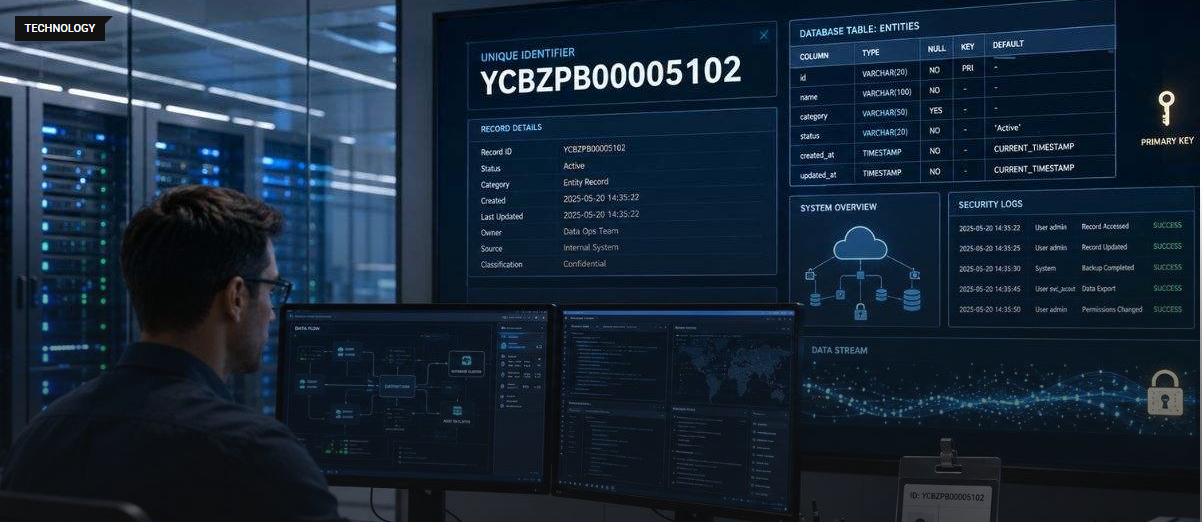
The code ycbzpb00005102 is not a standard public error message or widely recognized system fault.
It is most commonly described as a system-generated identifier used in software environments, databases, or internal tracking systems.
In simple terms, it behaves like a digital label rather than a human-readable warning.
It may appear in logs, apps, transaction screens, or backend systems without clear explanation to the user.
Because of this, many people mistake it for an error code when it is actually a reference ID or internal marker.
Its meaning depends entirely on the platform or system that generated it.
Why the ycbzpb00005102 Code Appears on Your Device
When this code shows up, it usually means a system has recorded an event and assigned it a unique identifier.
This can happen during login attempts, data processing, updates, or background system activity.
Modern applications use identifiers like this to track processes efficiently without exposing sensitive internal details.
In most cases, the appearance of ycbzpb00005102 is not harmful by itself.
Instead, it is a sign that the system is logging or organizing information in the background.
However, the confusion arises when the code appears alongside a failure message or interrupted process.
Step 1: Check the Context Where the Code Appears
The first and most important step is to identify where you saw the code.
This determines whether it is an error, confirmation, or system log entry.
If it appeared during a failed login, payment, or app crash, it may be linked to a system issue.
If it appeared in a confirmation screen or email, it is likely just a tracking reference.
Understanding context helps prevent unnecessary troubleshooting and panic.
Without context, the code itself has no fixed meaning.
Step 2: Restart the Application or Device
A simple restart often resolves temporary glitches that trigger unusual identifiers.
Close the app completely, then reopen it after a few seconds.
If the code appeared on a website, refresh the page or clear your browser session.
This helps reset temporary session data that may have generated the identifier incorrectly.
Many system-generated codes disappear after a fresh session begins.
This is because they are often tied to temporary backend processes.
Step 3: Clear Cache and Temporary Data
Corrupted cache files can sometimes trigger repeated system identifiers like ycbzpb00005102.
Clearing cache forces the application to rebuild fresh data structures.
On mobile devices, this can be done through app settings or storage management.
On browsers, clearing cookies and cached files often resolves display-related issues.
After clearing data, restart the app or browser and check if the code still appears.
This step is especially useful for web-based platforms.
Step 4: Verify Whether It Is an Error or Reference ID
Not all codes represent errors.
Some are confirmation numbers, transaction IDs, or internal tracking markers.
Look for surrounding text such as “error,” “failed,” or “problem.”
If those words are missing, the code is likely not an error at all.
Instead, it may simply be a record identifier generated for system tracking purposes.
Misinterpreting it can lead to unnecessary troubleshooting steps.
Step 5: Update the App or Software
Outdated software can sometimes mislabel system messages or display raw backend codes.
Updating ensures compatibility with the latest error-handling structure.
Install the newest version of the application from its official store or website.
Then restart your device to apply changes properly.
Developers frequently fix issues related to unexplained identifiers through updates.
So keeping software current is a key troubleshooting step.
Step 6: Check Internet Connection Stability
Unstable internet connections can interrupt backend communication.
This may cause partial responses where only system codes like ycbzpb00005102 appear.
Switch between Wi-Fi and mobile data to test stability.
If the issue disappears, your connection was likely the cause.
A stable network ensures proper loading of system messages and prevents incomplete data display.
This is especially important for cloud-based applications.
Step 7: Contact Official Support for Confirmation
If the code continues to appear, the safest option is to contact official support.
Provide them with the full code ycbzpb00005102 and describe exactly where it appears.
Support teams can trace it back to the internal system that generated it.
This is the only way to get a precise and authoritative explanation.
Avoid relying on random websites or forums for confirmation.
Only the original service provider can verify the meaning of such identifiers.
Step 8: Avoid Misinterpreting It as a Security Threat
Many users assume codes like this are viruses, hacks, or fraud indicators.
In reality, system-generated identifiers are common in modern digital infrastructure.
On their own, they do not perform any action and cannot harm your device.
The real risk comes only if the code appears in a suspicious phishing message.
Always verify the source before taking any action.
Never enter personal information based solely on a code reference.
Final Thoughts on Fixing ycbzpb00005102
The key to handling ycbzpb00005102 is understanding that it is usually not a direct problem itself.
It is more likely a system-generated identifier linked to a process, event, or log entry.
By checking context, restarting the system, clearing cache, and updating software, most related issues can be resolved.
If uncertainty remains, official support is the most reliable path forward.
In most cases, the code is harmless and simply reflects normal background system activity.
The “fix” is not removing the code itself—but identifying what triggered it.
