


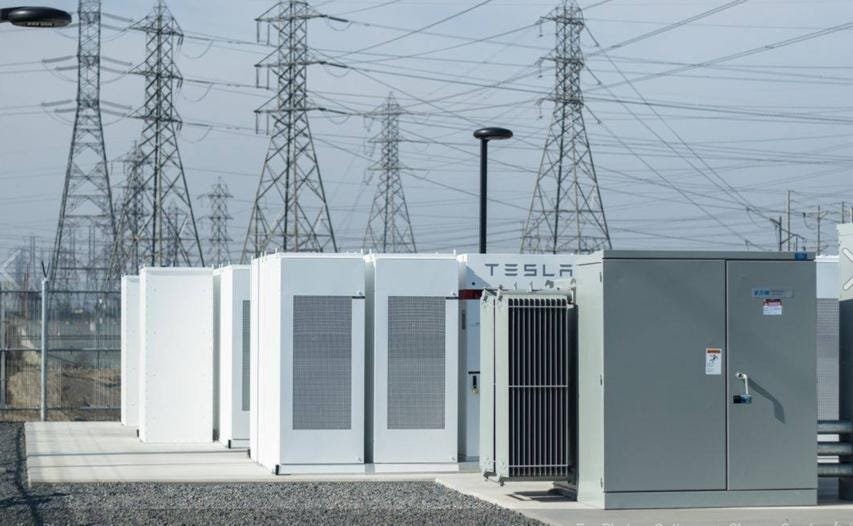
Tesla’s expansion into China is no longer focused solely on electric vehicles. The company has become a major player in renewable energy through its large-scale battery storage projects, particularly its Shanghai Megafactory, which manufactures Megapack energy storage systems.
As countries increase investments in solar and wind power, reliable energy storage has become essential. Tesla’s China battery project aims to solve one of renewable energy’s biggest challenges—storing electricity when production is high and delivering it when demand rises. This initiative is helping reshape modern power grids while supporting China’s clean energy transition.
What Is the Tesla China Battery Project?
The Tesla China Battery Project centers on the company’s Megafactory in Shanghai, a dedicated manufacturing facility that produces Megapack battery systems rather than electric vehicle batteries.
Unlike Tesla’s Gigafactory, which builds cars, the Shanghai Megafactory focuses on utility-scale energy storage. These batteries are designed for governments, utility companies, renewable energy developers, and large industrial customers.
The factory entered production in 2025 and significantly expanded Tesla’s global energy storage capacity. Combined with Tesla’s California facilities, the company’s Megafactories now provide approximately 80 GWh of annual manufacturing capacity for large-scale battery storage systems.
Why Battery Storage Matters for Renewable Energy
Renewable energy sources such as solar and wind are clean but naturally inconsistent. Solar panels generate electricity only during daylight hours, while wind turbines produce varying amounts of electricity depending on weather conditions.
Electricity demand, however, often peaks during the evening when solar generation declines. Without storage, excess renewable electricity may go unused, forcing power grids to rely on fossil fuel plants.
Tesla’s Megapack systems store surplus renewable electricity and release it when needed. This improves grid reliability, reduces energy waste, lowers dependence on traditional power plants, and helps stabilize electricity prices.
How Megapack Technology Works
Megapack is Tesla’s utility-scale battery storage solution built specifically for electrical grids.
Each unit combines high-capacity lithium-ion batteries, integrated power electronics, thermal management, safety systems, and intelligent software within a single enclosure.
The system continuously monitors electricity supply and demand. When renewable generation exceeds consumption, Megapack stores excess energy. During periods of high demand or reduced renewable output, the stored electricity is released back into the grid.
This rapid response capability helps maintain grid frequency, prevent outages, and improve overall power system stability.
China’s Growing Renewable Energy Industry
China has become the world’s largest producer of renewable electricity, investing heavily in solar farms, wind power, hydroelectric facilities, and energy storage infrastructure.
Although renewable generation continues to expand rapidly, integrating these resources into the national grid requires advanced storage technologies. Large-scale batteries allow renewable electricity to be delivered more efficiently throughout the day.
Tesla’s Shanghai project complements China’s broader renewable energy strategy by supplying battery systems that improve the flexibility and reliability of clean electricity networks.
Environmental Benefits
Large battery storage projects offer several environmental advantages.
By storing excess renewable electricity, battery systems reduce the need for fossil-fuel “peaker” plants that operate only during periods of high electricity demand. This lowers greenhouse gas emissions and improves air quality.
Battery storage also minimizes renewable energy curtailment, ensuring that more electricity generated by solar panels and wind turbines is actually used instead of being wasted.
As renewable energy capacity grows worldwide, energy storage is becoming one of the most effective tools for reducing carbon emissions while maintaining a reliable electricity supply.
Economic Impact of the Project
Tesla’s investment strengthens both China’s renewable energy industry and Tesla’s global energy business.
The Shanghai Megafactory creates manufacturing jobs, supports local suppliers, and contributes to China’s expanding clean technology sector.
For Tesla, the project diversifies revenue beyond electric vehicles by expanding into grid-scale energy storage—a market expected to experience sustained long-term growth as countries modernize their electrical infrastructure.
Challenges Facing Large-Scale Battery Projects
Despite their benefits, utility-scale battery projects face several challenges.
Manufacturing advanced battery systems requires significant quantities of lithium, nickel, graphite, and other critical minerals. Global supply chains for these materials remain competitive and sometimes volatile.
Battery recycling, responsible sourcing of raw materials, and long-term sustainability also continue to be important priorities for the energy storage industry.
In addition, governments must continue investing in transmission infrastructure, smart grid technology, and supportive energy policies to maximize the value of battery storage.
Tesla’s Expanding Energy Business
Tesla increasingly views energy storage as a major pillar of its long-term strategy.
In addition to Megapack, the company offers Powerwall residential batteries, commercial energy systems, solar panels, and energy management software.
Its energy products now support utilities, businesses, industrial facilities, microgrids, and renewable energy developers across dozens of countries, demonstrating Tesla’s shift from an automotive manufacturer toward a broader sustainable energy company.
Future Outlook
Demand for battery storage is expected to continue rising as renewable electricity becomes a larger share of global power generation.
Tesla’s Shanghai Megafactory positions the company to supply one of the fastest-growing segments of the clean energy market while supporting China’s ongoing renewable energy expansion.
As battery technology improves, manufacturing costs decline, and electricity grids become smarter, projects like Tesla’s China battery initiative are likely to play an increasingly important role in delivering affordable, reliable, and low-carbon energy worldwide.
Conclusion
The Tesla China Battery Project represents a significant step in the evolution of renewable energy infrastructure. Rather than focusing solely on electric vehicles, Tesla is investing in large-scale battery storage that helps solve one of clean energy’s greatest challenges: balancing electricity supply and demand.
Through its Shanghai Megafactory and Megapack technology, Tesla is contributing to stronger power grids, greater renewable energy adoption, and a more sustainable energy future. As countries continue transitioning toward low-carbon electricity systems, battery storage projects like this will remain essential for making renewable energy dependable, efficient, and widely accessible.
